
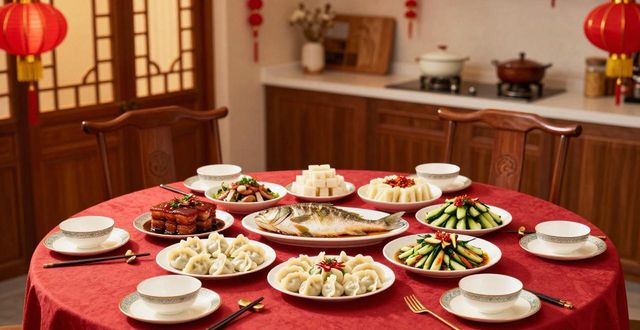
Spring Festival, or Chinese New Year, is the most important holiday in China, and its food carries deep meanings far beyond mere nutrition. Every dish served during this season is carefully chosen to symbolize good fortune, happiness, family unity, and prosperity for the coming year. For anyone curious about Chinese culture, understanding Spring Festival food is like reading a delicious storybook of traditions. In this guide, I’ll walk you through the must-eat dishes, their hidden meanings,and how you can enjoy them yourself.
What are the most popular Spring Festival foods

The star of the Spring Festival feast is undoubtedly dumplings (jiaozi). Shaped like ancient Chinese silver ingots, they represent wealth and prosperity. Families often hide a coin inside one dumpling, and the person who finds it is said to have extra good luck that year. Dumplings are usually filled with pork, cabbage, or shrimp, and they are eaten at midnight on New Year’s Eve to welcome the new year. Another absolute must is fish (yu), which sounds like the word for “surplus” in Chinese. The fish is typically steamed whole with ginger and scallions, and it’s served but not completely finished – leaving leftovers symbolizes having more than enough every year.
Why do Chinese eat fish during Spring Festival
Fish is not just a tasty protein; it’s a powerful symbol of abundance. The Chinese word for fish, “yu,” is a homophone for “surplus” or “extra.” That’s why you’ll see a whole fish placed at the center of the reunion dinner table, often with the head pointing toward the elders or honored guests as a sign of respect. The fish is usually steamed to preserve its freshness and natural sweetness, accompanied by soy sauce, hot oil, and fresh cilantro. Interestingly, the fish should not be completely eaten; a small portion is left overnight to ensure that the family’s wealth and good fortune “overflow” into the new year. In northern China, carp is common, while southern regions prefer sea bass or mandarin fish.
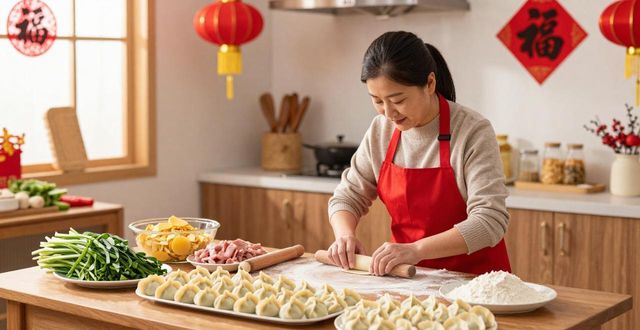
How to make dumplings for a Chinese New Year feast
Making dumplings from scratch is a fun, hands-on activity perfect for family gatherings. Start with the dough: mix all-purpose flour with room-temperature water until it forms a smooth ball, then let it rest for 30 minutes. For the filling, combine ground pork, finely chopped napa cabbage, minced ginger, soy sauce, sesame oil, and a pinch of white pepper. Roll the dough into small circles, place a spoonful of filling in the center, fold the wrapper in half, and pinch the edges tightly to create a crescent shape. To cook, boil the dumplings in plenty of water until they float to the surface, then simmer for another two minutes. Serve them with a dipping sauce made of black vinegar, soy sauce, and shredded ginger. The whole process invites laughter and teamwork, making it a cherished tradition.
Where to find authentic Spring Festival food outside China
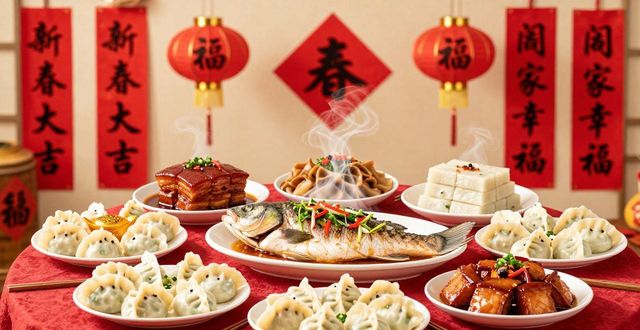
If you’re not in China during the holiday season, don’t worry – many cities with Chinatowns or large Asian communities host lively New Year celebrations. Look for restaurants that advertise “Chinese New Year set menus” or “reunion dinner specials” weeks in advance. Dishes like whole steamed fish, braised pork belly (hong shao rou), sticky rice cake (nian gao), and spring rolls are almost always on the menu. You can also visit Asian grocery stores for frozen dumplings, bamboo steamers, and red envelopes to create your own festive atmosphere. Online recipe videos and cooking blogs have made it easier than ever to replicate these dishes at home. Just remember that authenticity lies not only in ingredients but also in the spirit of togetherness – invite friends over, share stories, and enjoy the meal slowly.
Spring Festival food is a window into Chinese values of family, gratitude, and hope. Now I’d love to hear from you: which of these lucky dishes would you most like to try, and what holiday foods does your own culture enjoy? Please leave a comment below, and don’t forget to share this guide with anyone planning a Chinese New Year celebration. Your likes and shares help more people discover these delicious traditions!