
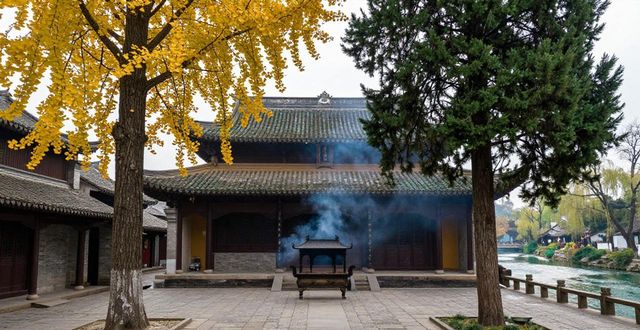
When travelers think of Chinese temples, grand structures like the Forbidden City or the Temple of Heaven often come to mind. But hidden within the ancient alleyways of China’s old towns, you’ll discover a different kind of spiritual site—smaller, more intimate, and deeply woven into local life. These old town temples offer a quieter, more authentic glimpse into Chinese folk religion, architecture, and community traditions. Whether you’re wandering through Lijiang, Pingyao, or Huangyao, understanding these temples will enrich your journey and connect you to centuries of living history.
What makes old town temples unique
Unlike the bustling, tourist-heavy temples in big cities, old town temples are often tucked away on narrow lanes or beside tranquil canals. They served not only as places of worship but also as community hubs where locals gathered for festivals, weddings, and even village meetings. The architecture is typically modest yet elegant, blending with the grey brick and wooden facades of the surrounding ancient buildings. You’ll notice intricate carvings, stone lions, and faded murals that tell stories of local legends and filial piety. Many of these temples are dedicated to patron gods of the town—such as the City God or Guan Yu—rather than major Buddhist bodhisattvas, giving them a distinctly local flavor.

Another striking feature is how these temples embrace nature. Small courtyards often contain ancient ginkgo or cypress trees, and the scent of incense mixes with the fresh air from nearby rivers. Unlike the perfectly restored monuments, old town temples show their age gracefully—cracked roof tiles, worn stone steps, and weathered calligraphy. This authenticity allows you to feel the passage of time. In places like the old town of Zhouzhuang, you can find a tiny temple built into a bridge, while in Lijiang’s Baisha village, a Naxi shaman temple remains active for local ceremonies. These are not museum pieces; they are living, breathing spaces where tradition continues.
How to show respect when visiting
Before stepping into any old town temple, remember that many are still used for regular worship by local residents. Dressing modestly is essential—avoid shorts, sleeveless tops, or revealing clothing. Remove your hat and sunglasses once inside the main hall, as these can be seen as disrespectful. When entering a hall, step over the high threshold rather than standing on it, which is considered bad luck. Keep your voice low, and never point your feet toward the statues of deities when sitting. If you see locals praying or offering incense, observe quietly from a distance and never interrupt them.
Photography requires extra caution. Some temples forbid flash photography because it damages ancient paint and gilded surfaces. Others may have signs asking visitors not to take photos of the main deity statues out of reverence. Always look for posted rules, or ask a temple keeper if you’re unsure. Offering a small donation—even a few yuan—is a thoughtful gesture. Many temples have a donation box near the entrance, and you can also buy a bundle of incense to light and place in the burner. This simple act not only shows respect but also helps preserve these precious sites. Lastly, avoid touching any carvings, bells, or ritual objects unless explicitly invited.
Which old town temples are must-sees
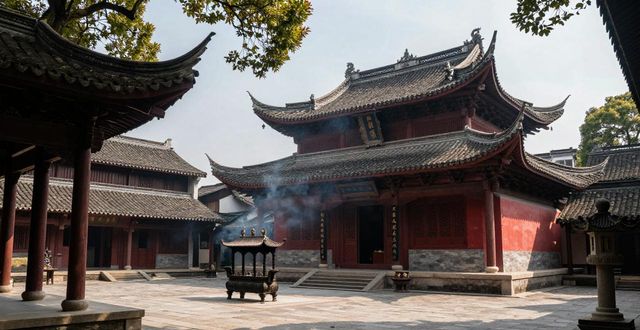
Pingyao Ancient City in Shanxi province is home to the Qingxu Temple, a Taoist complex dating back to the Tang dynasty. Unlike the more famous Shuanglin Temple outside the city walls, Qingxu sits right inside the old town, with stunning Ming-era murals and a rare collection of colored clay statues. It’s often overlooked by group tours, so you can enjoy its serene courtyards almost alone. Another gem is the Zhenru Temple in the old town of Changshu, Jiangsu, known for its exquisite wooden beam structure that has survived over 600 years without a single nail.
In southwestern China, the old town of Dali offers the Chiang Gong Temple (General’s Temple) dedicated to a local hero of the Bai ethnic group. The temple features a fascinating mix of Han Chinese and Bai architectural elements, including curved gables and painted flying eaves. Further south, in Huangyao Ancient Town, the Baozhu Temple stands beside a clear stream. It was originally built in the Ming dynasty as a shrine to the Northern Emperor, and locals still come here to pray for good harvests and safe travels. The temple’s stone gate is covered in intricate bas-reliefs of dragons and phoenixes, worn smooth by centuries of touch. Each of these sites offers a unique window into China’s diverse regional cultures.
Why do these temples matter today
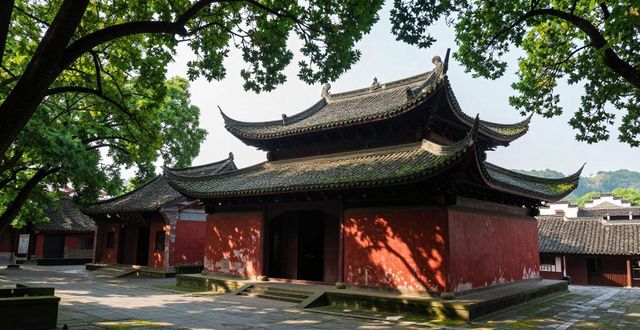
Preserving old town temples is about more than saving old buildings. They are living archives of local history, folk art, and intangible heritage. Many temple murals depict opera scenes, daily life from a hundred years ago, or ancient medical practices—details that textbooks rarely record. The rituals performed here, such as the Lantern Festival prayers or the Ghost Month ceremonies, keep community bonds alive in an age of rapid urbanization. For foreign travelers, these temples provide an authentic counterpoint to China’s sleek modern cities, showing how spirituality has quietly persisted through wars, revolutions, and economic booms.
However, many old town temples face threats from overtourism, neglect, or poorly done renovations. Some have been converted into souvenir shops or teahouses, losing their sacred character. That’s why responsible tourism matters. By visiting respectfully, donating, and sharing your experiences, you support local efforts to maintain these sites. China’s government has begun listing many old town temples as protected cultural relics, but grassroots care is equally important. When you step into a quiet temple courtyard and hear only the wind chimes and a monk’s soft chanting,you’re not just seeing history—you’re helping keep it alive for the next generation.
Have you ever explored an old town temple in China that left a lasting impression on you? What did you find most fascinating—the architecture, the local rituals, or the unexpected quiet? Share your story in the comments below, and if this guide helped you, please give it a like and share it with fellow travelers.