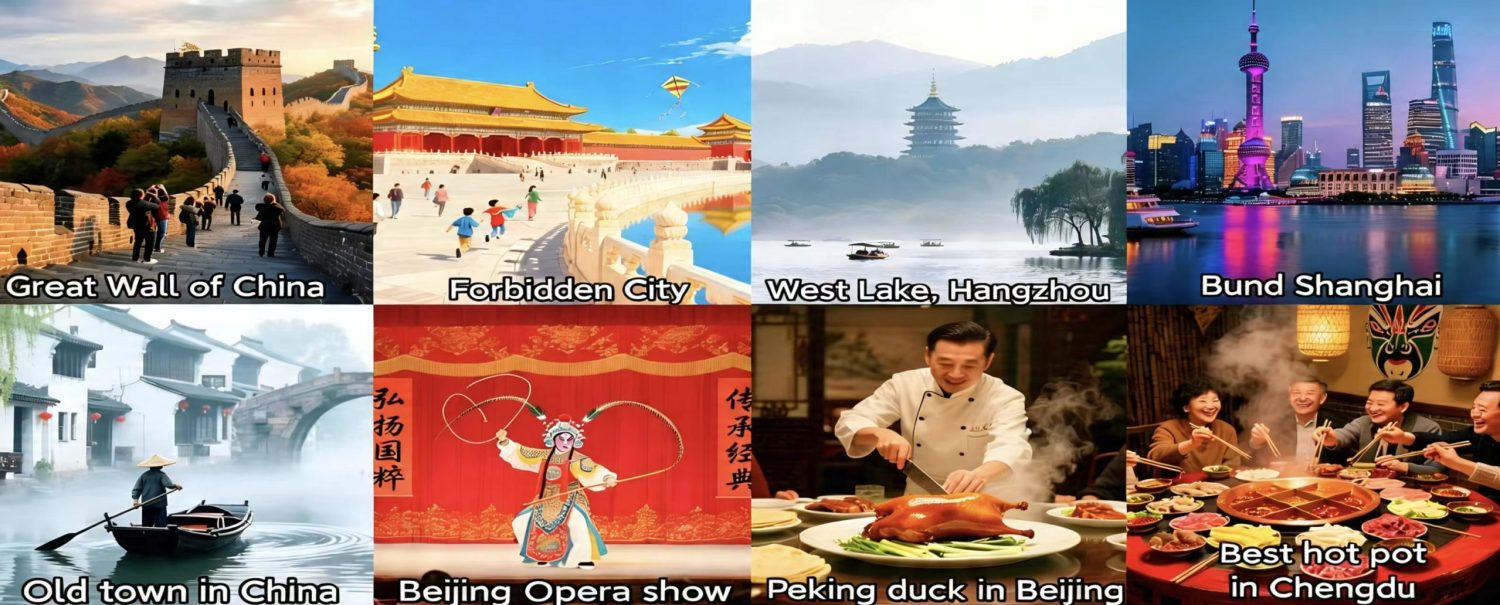
I’ve led group food trips through China for twelve years now. If you’re staring at a map wondering where to start, a China cuisine tour is the smartest way to actually taste the country instead of just scrolling Instagram. No single restaurant, no YouTube video, gives you the range. Here’s what I tell every group before we set out.
Which Cities for a China Cuisine Tour

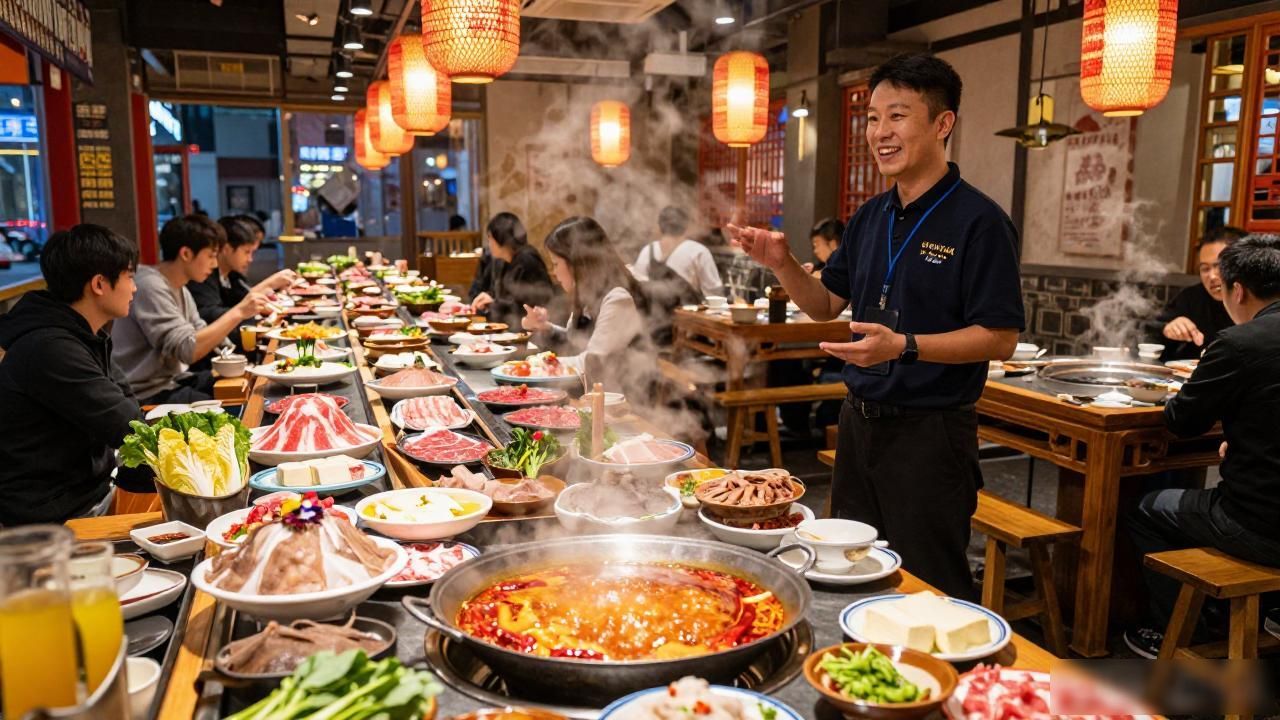
Chengdu and Xi’an are non-negotiable. In Chengdu you’ll spend an entire evening at a hot-pot place where the broth simmers while you pick raw meats, vegetables, and tofu from a conveyor belt. The spice level is adjustable — something your guide in the group will absolutely need to explain, because that opening bowl will open up in ways you didn’t plan for. Xi’an gives you the other end: hand-pulled noodle stalls, lamb skewers off a charcoal grill at night, and the dense layered buns that locals call roujiamo.
Pair that with one coastal city. Guangzhou or Xiamen. The dim sum there is not a fancy restaurant affair; it’s morning teahouse noise, bamboo steamers clinking, and your neighbor’s grandmother quietly watching which rolls you grab. That contrast between Sichuan’s fire and Canton’s subtlety is the whole point of the route. No single city can give you both. You need the heat and the restraint in the same trip.
How Many Days for a China Cuisine Tour
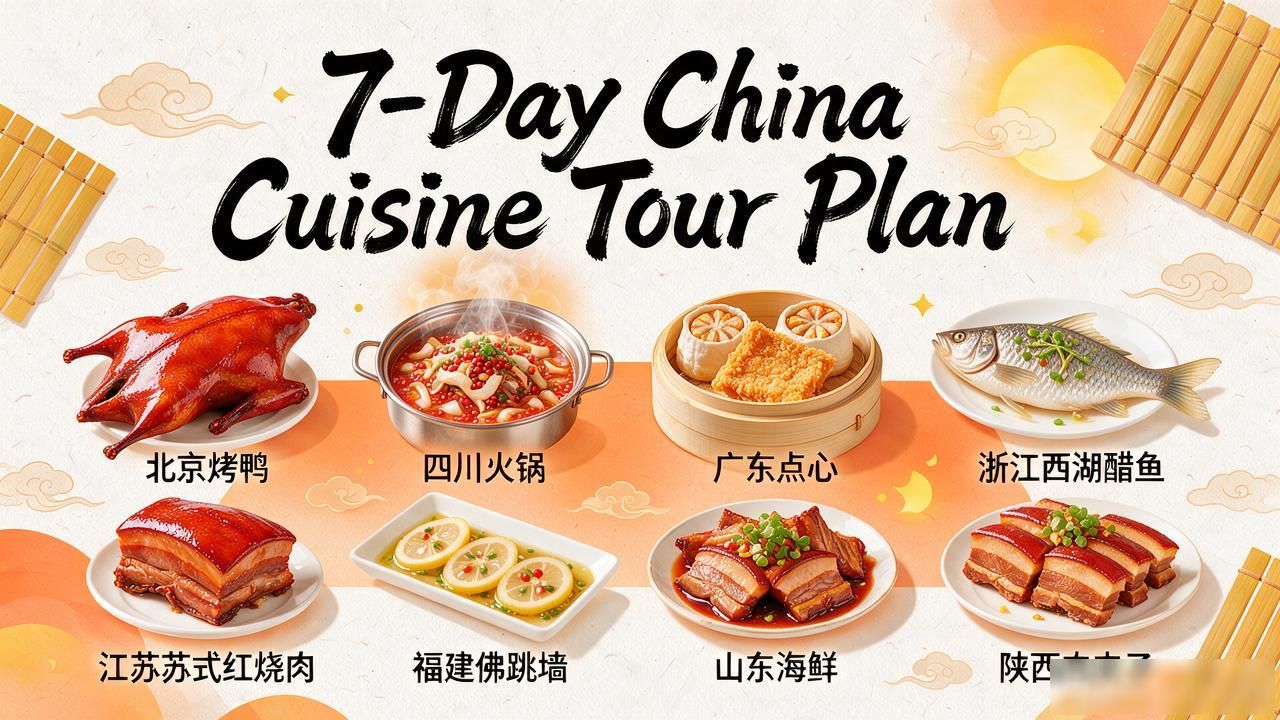
Seven days is the minimum I recommend. Day one in Chengdu, day two the hot-pot plus a street-food night market where you’ll burn your tongue on a chili oil spoon, day three travel to Xi’an, day four and five on the north side of the city — the noodle alleys, the Muslim quarter. Day six fly to Guangzhou, day seven is pure dim sum. You need that last morning unstructured. Wander, eat whatever smells like it, don’t check a list.
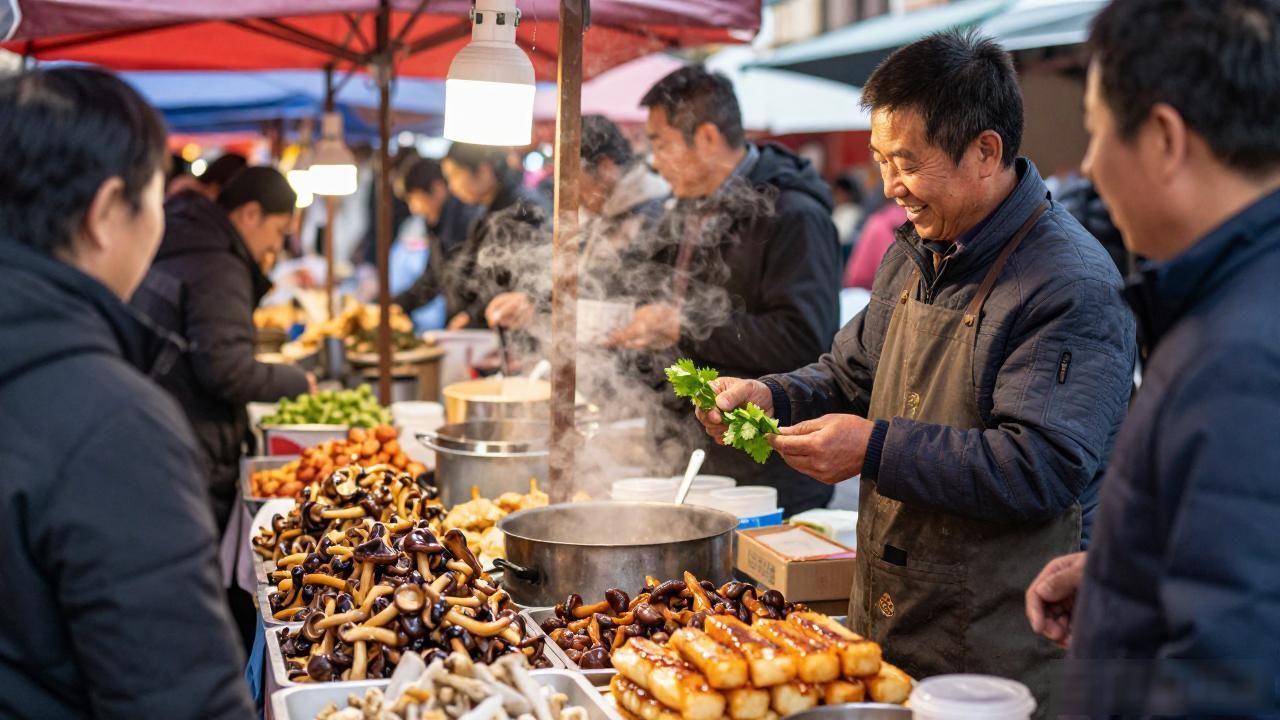
Some groups ask for ten days. If you can spare three extra days,slot in Kunming. The market there is chaos in the best way: pickled mushrooms, grilled rice cakes, a tea stall where the owner will spend twenty minutes explaining the difference between two green leaves. That kind of small talk is where a food trip actually lives.
I’ll be honest — most people on my tours come back saying the plane ride home was the hardest part, not the eating. The flavors stay. You start looking at sauces differently at your own kitchen table for months after. That’s the real souvenir.