
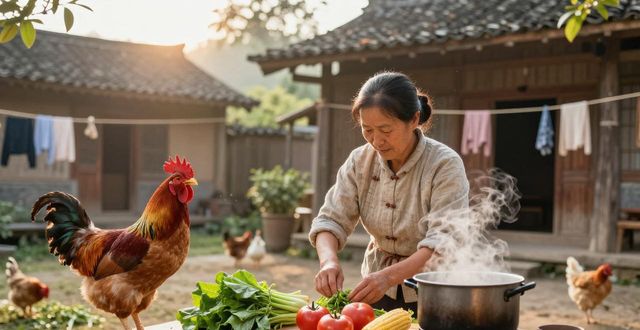
If you truly want to experience the heart of China, skip the big cities and five-star hotels. Staying in a rural homestay with local families in China offers an unfiltered look at daily life, ancient traditions, and genuine hospitality. This is not about luxury; it is about connection, simplicity, and memories that no tour guide can provide. Over the past decade, rural tourism has grown, yet many foreign travelers still miss this hidden gem. Let me walk you through what makes this experience so special and how you can make it happen.
Benefits of Rural Homestay with Local Families

Living with a rural Chinese family immerses you in a culture that has survived for thousands of years. You wake up to roosters crowing, help prepare breakfast using fresh vegetables from the backyard, and learn to make dumplings by hand. Unlike hotels, you share meals, stories, and even chores. This interaction breaks down barriers and builds real friendships. Many travelers say the best part is sitting under the stars, drinking tea, and listening to grandparents tell tales of village life. Plus, you practice Mandarin in the most natural way—through laughter and daily needs.
Finding a Rural Homestay in China’s Countryside
So how do you find these authentic stays without getting lost? Start with trusted platforms like Airbnb’s “Experiences” or local sites such as Ctrip’s farmstay section. Better yet,look for villages that have opened to agritourism, like those in Yunnan, Guangxi, or Sichuan. Some families are listed through community cooperatives that ensure fair pay and safety. Another reliable method is contacting a regional travel agency that specializes in cultural homestays. Always read recent reviews from other international guests. And do not be afraid to ask the host questions before booking—honest families welcome your curiosity.
Daily Life in a Chinese Rural Homestay
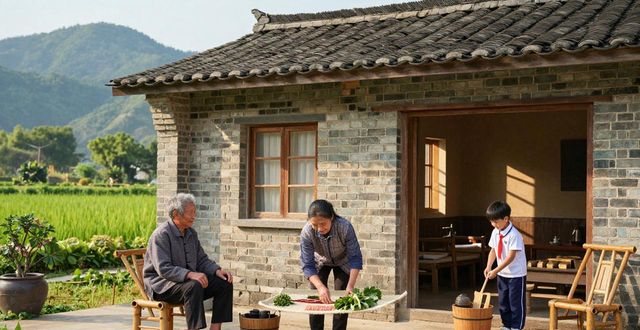
Imagine your day starting at 6 am with the sound of a bamboo broom sweeping the courtyard. You join your host family for congee and pickled vegetables, then follow Uncle Li to the rice terraces or tea hills. Depending on the season, you might harvest oranges, plant seedlings, or collect eggs. Afternoons are slower—perhaps a nap, a walk along ancient stone paths, or learning a craft like weaving bamboo baskets. Dinner is a feast of local flavors, often cooked in a wood-fired wok. Evenings bring card games, calligraphy practice, or simply watching TV dramas with the family. Every moment feels like stepping into a different era.
Essential Tips for Your Rural Homestay Stay
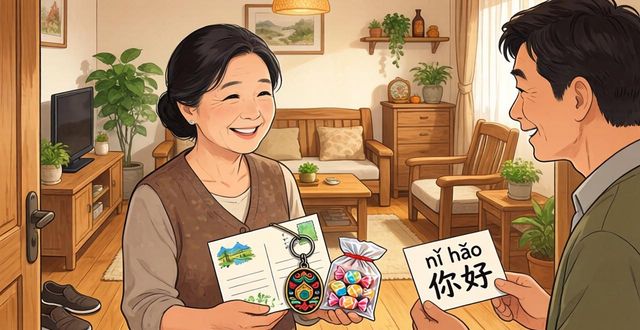
To make your stay smooth, pack light but bring small gifts from your home country—postcards, keychains, or candies are always appreciated. Learn a few basic Mandarin phrases: “nǐ hǎo” (hello), “xiè xie” (thank you), and “hěn hǎo chī” (delicious). Respect local customs: remove shoes before entering the house, avoid wasting food, and ask before taking photos of people. Also, be flexible with plans. Rural families live by nature’s clock, not a schedule. Bring a power bank, as outlets may be limited, and download offline maps. Most importantly, come with an open heart. The less you expect, the more you will receive.
Have you ever imagined waking up in a Chinese village, sharing tea with a farmer who has never left his province? What would you be most curious to learn from a local family? Share your thoughts below, and if this guide helped you, give it a thumbs up and pass it on to fellow adventurers.