
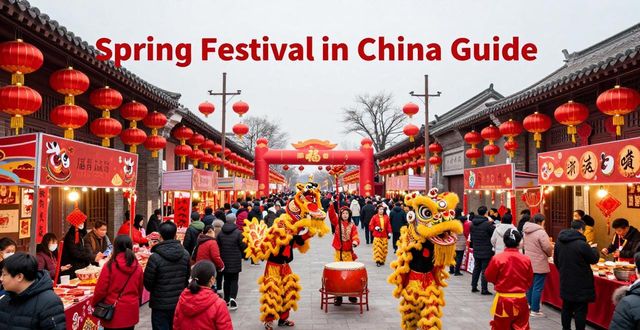
The Spring Festival, also known as Chinese New Year, is the most important traditional holiday in China. It marks the beginning of the lunar calendar and is a time for family reunions, feasting, and age-old customs. For foreigners, understanding this festival offers a fascinating glimpse into Chinese culture, values, and social life. This guide will walk you through the key dates, essential traditions, festive foods, and modern changes, helping you appreciate or even join in the celebration.
When is Spring Festival celebrated?

Unlike the fixed January 1st of the Gregorian calendar, the Spring Festival falls on a different date each year, usually between January 21 and February 20. The date is determined by the lunar cycle, specifically the second new moon after the winter solstice. In 2026, the Spring Festival begins on February 17, ushering in the Year of the Horse. The celebration lasts for 15 days, culminating in the Lantern Festival. Knowing the exact date is crucial because the entire country goes into a massive migration period called “Chunyun,” when hundreds of millions travel home. If you plan to visit China during this time, book tickets months in advance.
What are the must-do traditions?
The most widespread tradition is the reunion dinner on New Year’s Eve, where families gather from across the country to share a lavish meal. Before the dinner, many households clean their homes thoroughly to sweep away bad luck and make room for incoming good fortune. Red decorations, including couplets and paper-cuttings, are hung on doors and windows. On New Year’s Day, married couples give red envelopes (hongbao) filled with money to children and unmarried young adults, symbolizing blessings and warding off evil spirits. Firecrackers and fireworks are also set off at midnight to scare away mythical beasts like Nian. These customs are not just rituals; they embody hopes for health, prosperity, and happiness in the coming year.
What food is essential for the festival?
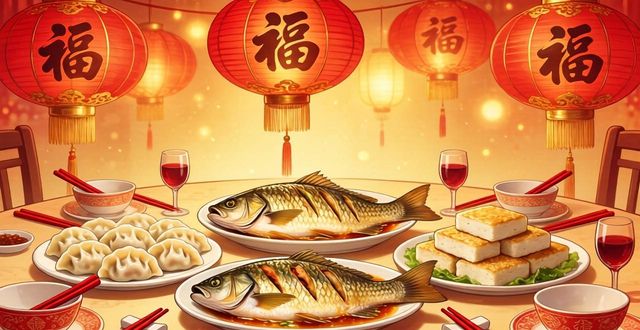
Food plays a central role during Spring Festival, with each dish carrying symbolic meaning. Dumplings (jiaozi) are a northern favorite, shaped like ancient Chinese silver ingots to represent wealth. Families often hide a coin inside one dumpling, and whoever finds it will have good luck. In southern China, sticky rice cakes (niangao) are popular because their name sounds like “year higher,” promising a better life. Fish (yu) is served whole, with the head and tail left intact to signify a good beginning and end for the year. The Chinese word for fish also sounds like “surplus,” so eating fish is believed to bring extra prosperity. Other common foods include spring rolls (golden bars of wealth), sweet rice balls (family togetherness), and braised pork. Each bite connects to centuries of agricultural wisdom and folk beliefs.
How has Spring Festival changed in modern China?
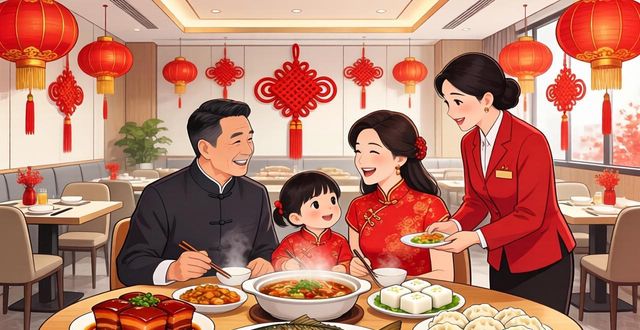
While traditions remain strong, the festival has adapted to modern life. Urbanization and busy work schedules have led many families to order reunion dinners from restaurants instead of cooking at home. Digital red envelopes sent through WeChat have become hugely popular, allowing people to give hongbao online with just a tap. Also, environmental concerns have prompted many cities to ban fireworks, replacing them with light shows and drone displays. Younger generations may travel during the holiday instead of staying home, a shift from the old focus on family-only gatherings. Despite these changes, the core spirit of reunion and renewal stays alive. The Spring Festival has also gained global recognition,with celebrations held in New York, London, and Sydney, making it a shared cultural experience beyond China’s borders.
What aspect of Spring Festival – the food, the traditions, or the modern changes – would you most like to see or try yourself? Share your thoughts in the comments, and if you found this guide helpful, please like and share it with fellow culture lovers!