
When you think of classical China, few images are as iconic as Hangzhou‘s West Lake. This UNESCO World Heritage site isn’t just a body of water – it’s a living painting that has inspired poets, emperors, and travelers for over a thousand years. Spanning 6.5 square kilometers with misty hills, ancient pagodas, and willow-lined causeways, West Lake offers a peaceful escape from modern life. Whether you’re a history buff, a nature lover, or simply seeking serenity, this destination delivers. In this guide, I’ll share practical tips and hidden gems to help you experience the lake like a local.
Best time to visit West Lake
Many travelers ask when to go. Spring (March to May) and autumn (September to November) offer the most comfortable weather – temperatures range from 15°C to 25°C. In spring, peach blossoms and weeping willows frame the lake in soft pinks and greens. Autumn brings clear skies and the famous “Moon over the Peaceful Lake” reflection. Avoid summer if you dislike humidity and crowds; July and August can be hot and packed with domestic tourists. Winter has its own charm: on rare snowy days, the Broken Bridge looks truly magical, and you’ll nearly have the place to yourself.

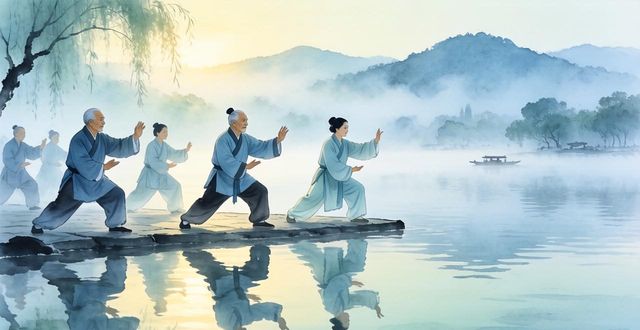
For photography lovers, early morning is golden – locals practice tai chi along the shores before 7 AM, and the mist rising off the water creates dreamy shots. Also consider visiting during the Mid-Autumn Festival (late September or early October) when lanterns float on the lake. But book accommodations months ahead. Personally, I recommend late October: the osmanthus flowers perfume the entire city, and the light is soft for afternoon strolls. Just remember that weekends and Chinese holidays mean heavy crowds, so plan your visit on weekdays if possible.
Top attractions around West Lake
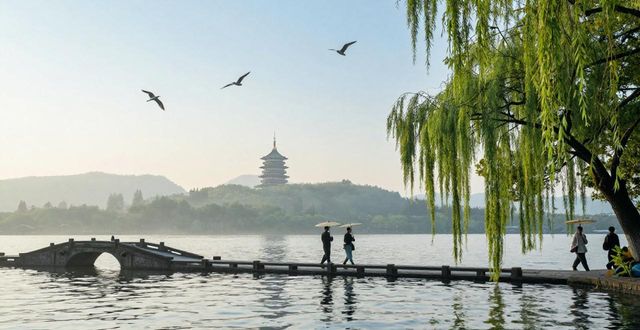
You can’t see everything in one day, so prioritize. The Su Causeway, built by poet Su Dongpo in the 11th century, stretches 2.8 kilometers across the lake. Walking it takes about an hour,passing six arched bridges and offering panoramic views. Midway, you’ll find the Lotus Pavilion – in summer, the pond explodes with pink blooms. Another must-see is Leifeng Pagoda on the southern shore. Rebuilt in 2002 with glass elevators and bronze bells, it’s famous from the legend of the White Snake. Climb to the top at sunset to watch the lake turn golden.
Don’t miss the Three Pools Mirroring the Moon – those three stone towers you’ve seen on Chinese one-yuan banknotes. Take a wooden boat from Huagang Guanyu (Fish Viewing Garden) to get close. For a cultural deep dive, visit the West Lake Museum near the Broken Bridge. It’s free and explains the lake’s 2,000-year history with excellent English labels. Finally, escape the crowds at Guo’s Villa, a hidden garden on the western shore. Few tourists go there, yet its courtyards and bamboo groves feel like a secret scholar’s retreat.
How to explore West Lake like a local
Forget the hop-on-hop-off buses. The best way is to walk or cycle. The lake’s perimeter has a dedicated 15-kilometer path with clear signs. Rent a shared bike (Hellobike or Meituan) for about 1 RMB per 30 minutes – just scan with Alipay. Start at Broken Bridge, head west along Bai Causeway, then south to Solitary Hill. You’ll pass the Zhejiang Provincial Museum and the Seal-Engraving Society. If your legs get tired, jump on a sightseeing boat. Official electric boats cost 55 RMB for a round trip to the Three Pools. Avoid touts offering “private tours” – they often overcharge.
Another local secret: take the Y2 bus to the hills above the lake. From the Nanping Evening Bell stop, walk up to Jingci Temple, then follow the stone stairs to the top of Nine Creeks Hill. The 20-minute climb rewards you with a bird’s-eye view of the entire lake and the Qiantang River. Pack water and mosquito spray. For a truly immersive experience, stay overnight at a lakeside guesthouse in the Nanshan Road area. Wake up before dawn, join the elderly doing calligraphy on the pavement with water brushes, and sip Longjing tea at a tiny family-run teahouse. That’s the real West Lake.
What to eat near West Lake
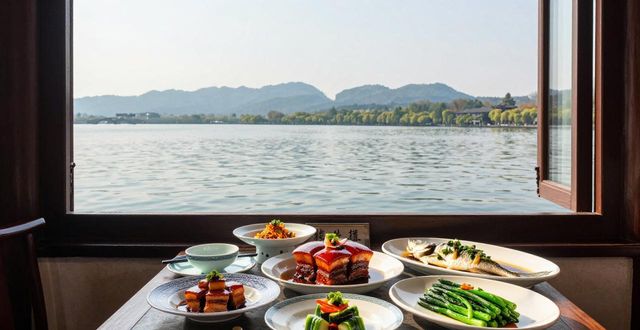
Hangzhou cuisine is subtle and fresh, not spicy. You must try Dongpo Pork – braised pork belly so tender it melts on your tongue. The best version is at Louwailou Restaurant, founded in 1848, right on Solitary Hill. Order a table by the window for lake views. Another signature dish is West Lake Vinegar Fish, usually made with grass carp from the lake itself. The sweet-and-sour broth pairs perfectly with rice. For a lighter option, look for Longjing Shrimp – river shrimp stir-fried with local Dragon Well tea leaves. The tea adds a grassy aroma that’s surprisingly delicious.
Street food is abundant along Hefang Street, a 10-minute walk from the lake’s eastern shore. Try the “sweet osmanthus cake” – a sticky rice block drizzled with honey and dried flowers. Or grab a “fried stinky tofu” if you’re adventurous; it tastes better than it smells. For dessert, sample the lotus seed paste-filled mooncakes sold at Zhiweiguan, a century-old bakery. Wash everything down with a bottle of fresh-squeezed sugarcane juice. If you’re on a budget, head to the food court in the Hubin Walk shopping mall – dozens of stalls serving noodles, dumplings, and rice rolls for under 30 RMB. And never leave without drinking a cup of authentic Longjing tea. The best tea houses are in the villages around Meijiawu, where you can watch the leaves being hand-roasted.
What’s your first must-do activity when you arrive at West Lake – walking the Su Causeway at sunrise or tasting Dongpo Pork by the water? Let me know in the comments, and don’t forget to share this guide with fellow travelers planning their Hangzhou adventure!