
Pingyao Ancient City is one of China’s best-preserved walled towns from the Ming and Qing dynasties. Nestled in the mountains of Shanxi Province, it looks like a frozen snapshot of a medieval banking hub that once controlled half the country’s silver flow. If you are planning a trip to central China, this old town delivers something no modern metropolis can: a walkable city where every wall still remembers a 600-year-old merchant and his ledger books.
Is Pingyao Ancient City worth visiting

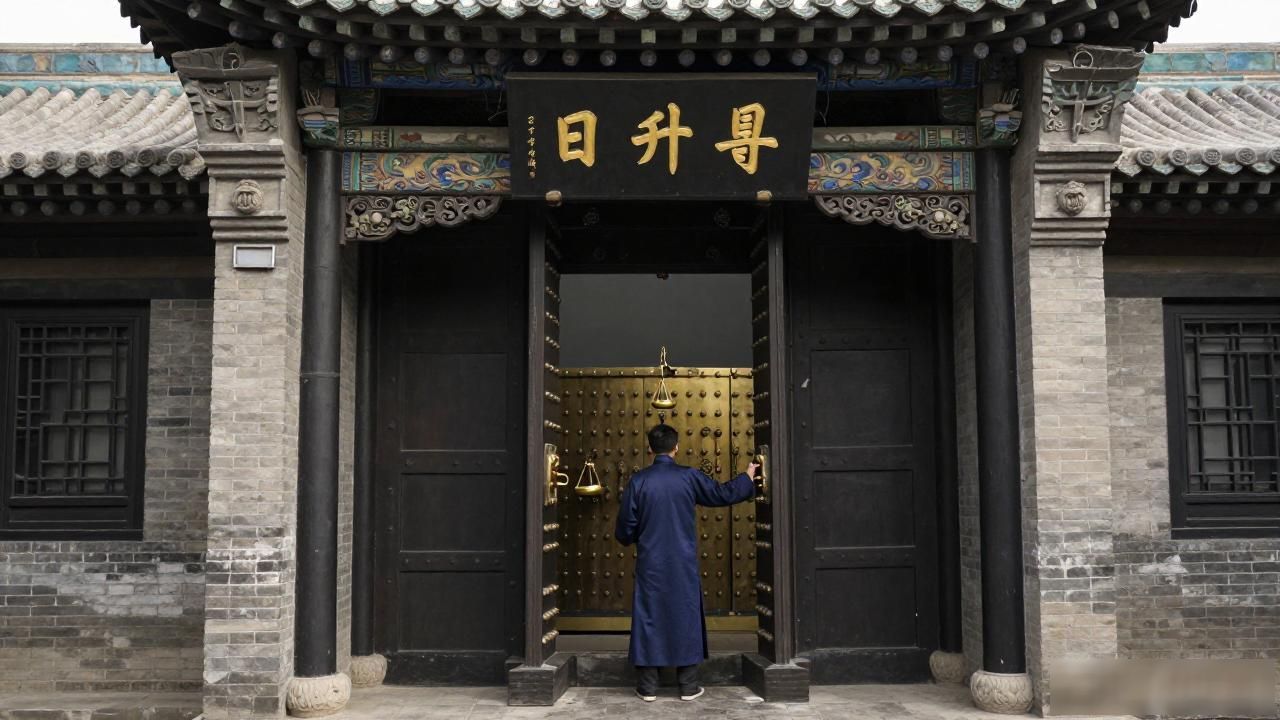
The short answer is yes, particularly if you enjoy history that does not come with a scripted guided tour. The Rishengchang Qianzhuang, widely considered the first private bank in China, still stands on Rongsheng Lane with its original vault doors and brass scales. You can push open those heavy doors and stand exactly where clerks once counted silver ingots for clients running trade routes across three provinces.
What sets Pingyao apart from other “ancient towns” that feel like polished tourist sets is the sheer completeness of its urban fabric. The grid streets, the residential courtyards, the watchtowers bolted into the wall — all of it survived intact through war and neglect. You are not looking at a 1990s reconstruction. You are looking at the actual infrastructure that ran a real, functioning economy for two full centuries.
What to see in Pingyao Ancient City
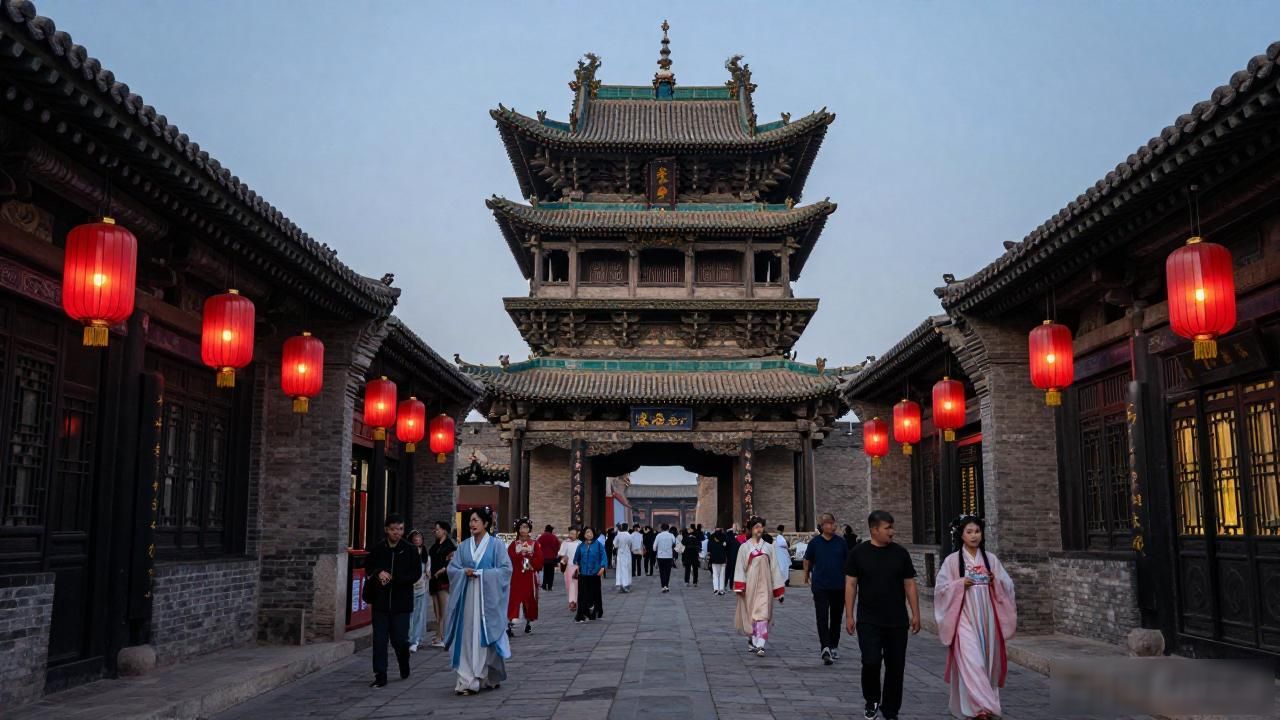
Climb the South Gate watchtower early in the morning, well before the tour buses grind to a halt below. The 3,200-meter wall wraps the entire town, and from the parapet you can trace how each quarter was zoned for trade, residence, or government. The sight of overlapping gray tile roofs stretching all the way to the foothills is the kind of view that photos rarely capture properly.
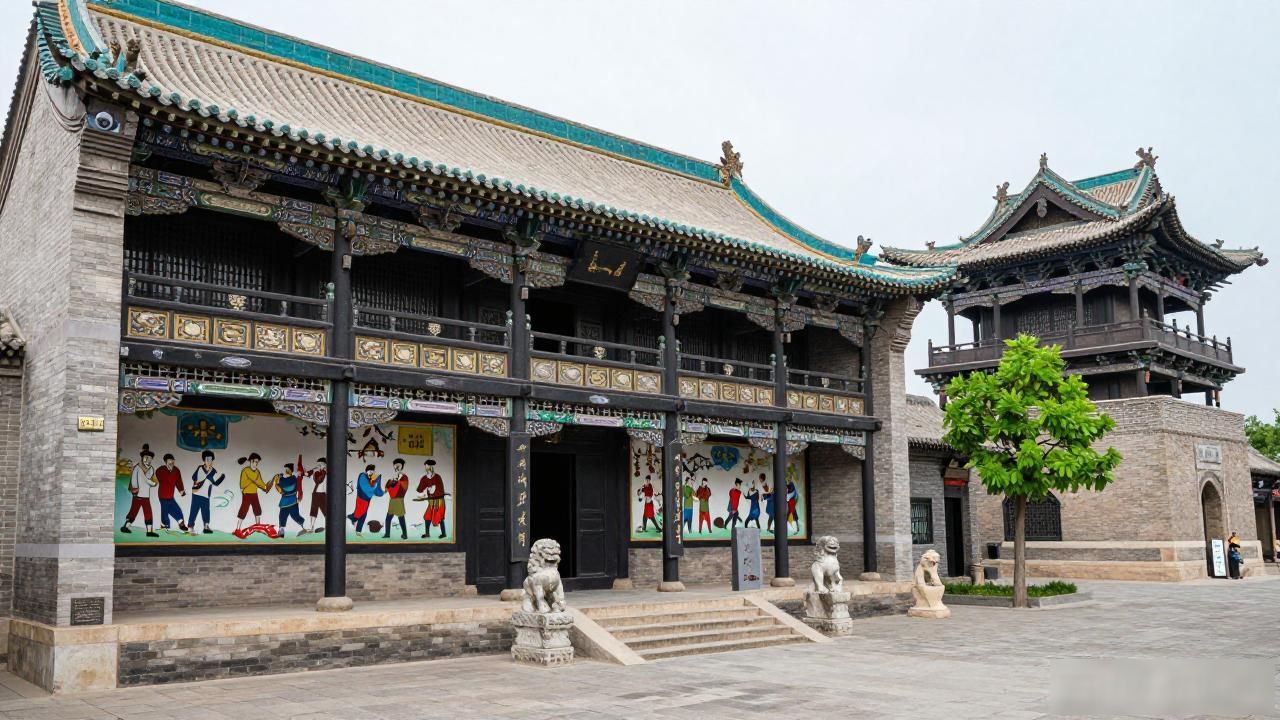
Head down to the County Yamen, a two-story government complex where magistrates handled everything from property disputes to minor theft cases. The corridor paintings depict the physical consequences of each crime in vivid, almost unsettling detail. Just outside the west gate, the Qiao Family Compound reveals what a top-tier merchant household actually lived with: carved brick gates, hidden garden nooks, and family shrines stacked floor by floor.
Most people manage the highlights in a full day, but two days lets you slow down, read the merchant correspondence on display, and work through a bowl of hand-pulled noodles at a hole-in-the-wall shop near the east gate. Wear broken-in shoes — the cobbles are uneven and stretch on for kilometers.