
Harbin in winter is not just about ice sculptures and frozen rivers. Beneath the biting cold, a small but surprising collection of wildlife still makes its home along the Songhua River and the outlying wetlands. After three trips to the city in January and February, I’ve learned that spotting these animals takes real patience, the right timing, and a willingness to bundle up far more than you’d think necessary for any outdoor activity.
What wildlife in Harbin winter view

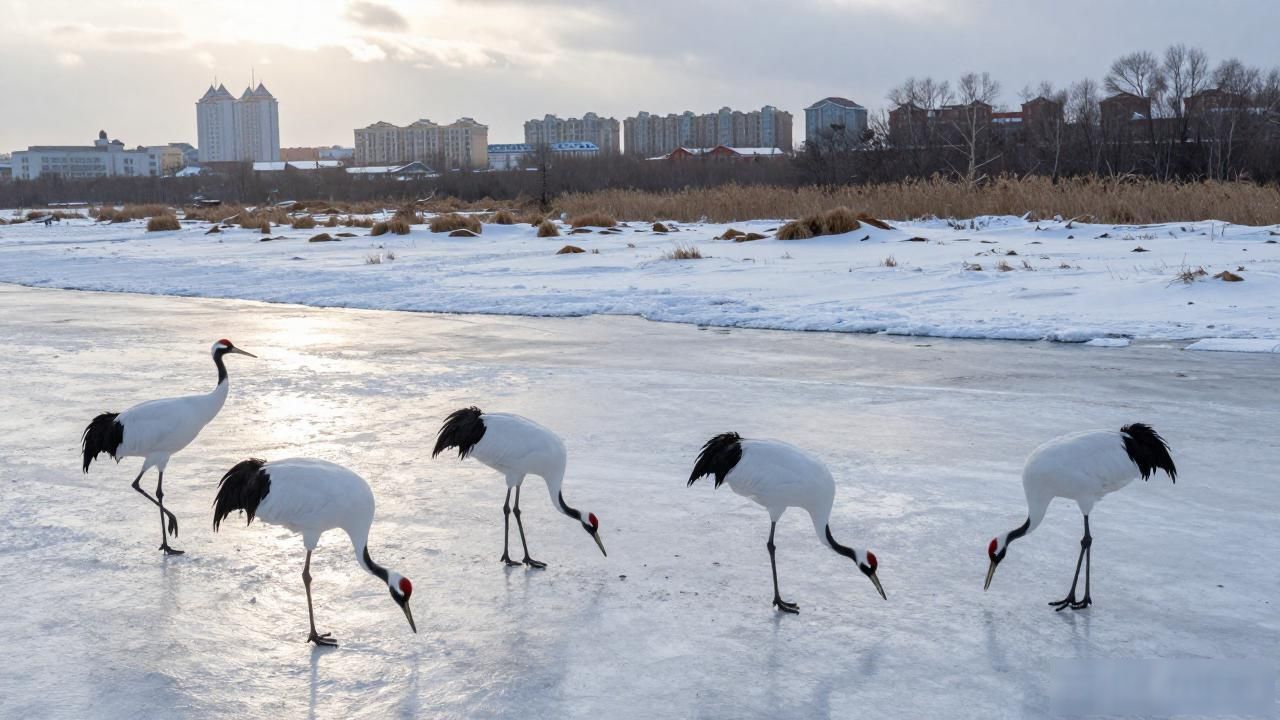
The most reliable sightings come from the wetlands south of the city, near the Da Wang Zhu sub-wetland reserve. Red-crowned cranes appear in small flocks from mid-December through January, feeding on the thawed edges of the frozen channels. They’re painfully shy, but a pair of decent binoculars and the soft light of early morning will usually reward you with a clear, up-close view. I’ve counted no more than twelve at any one feeding spot, which makes each encounter feel genuinely special.
Along the main river channel, you’ll spot swan families drifting on the open water and the occasional Siberian jay perched in birch trees. The jays are loud, completely unmistakable, and their blue-and-brown plumage stands out sharply against the flat grey winter sky. They tend to stay near tree lines where they can forage on exposed seeds and fallen nuts the autumn wind scattered across the ground.
Where to spot wildlife Harbin winter
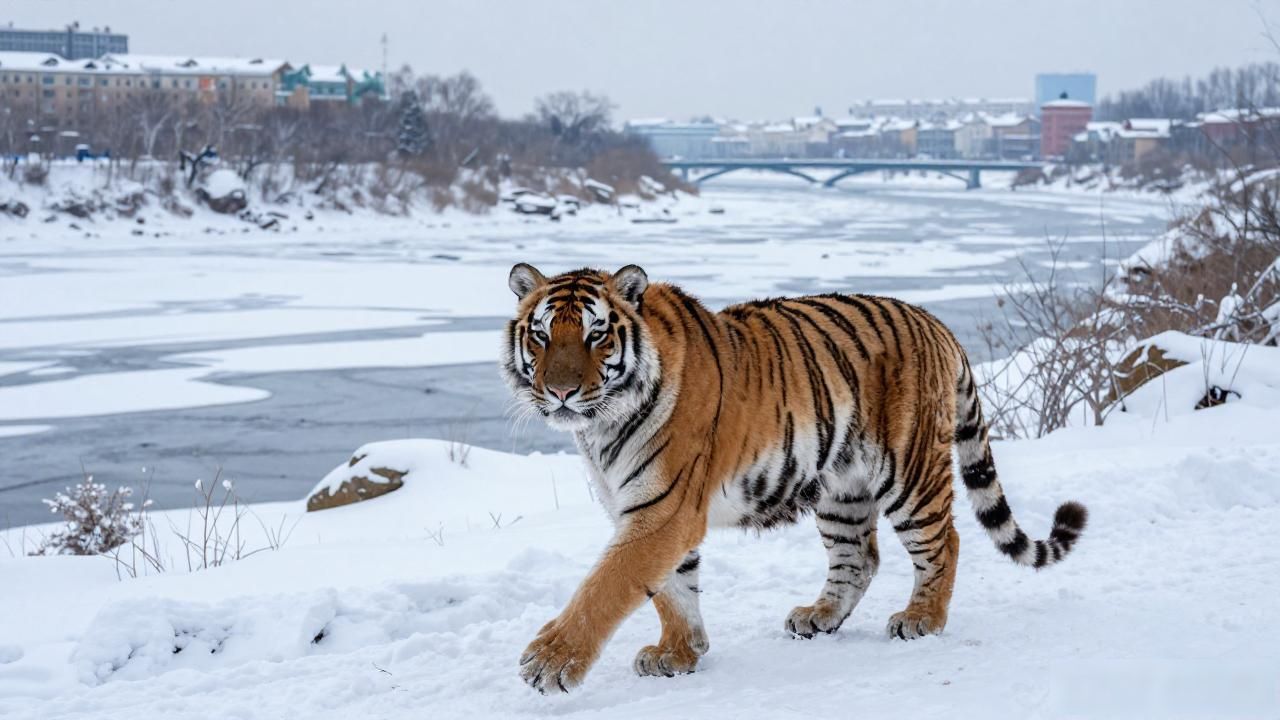
The best viewing spots are the lower banks of the Songhua, especially the stretch between the old ice-fishing zone and the river’s bend near the city’s eastern suburbs. Local birders congregate there around six in the morning, when the animals are most active and the light filters low and golden across the black ice. You’ll hear clickers and quiet murmurs,never shouting.
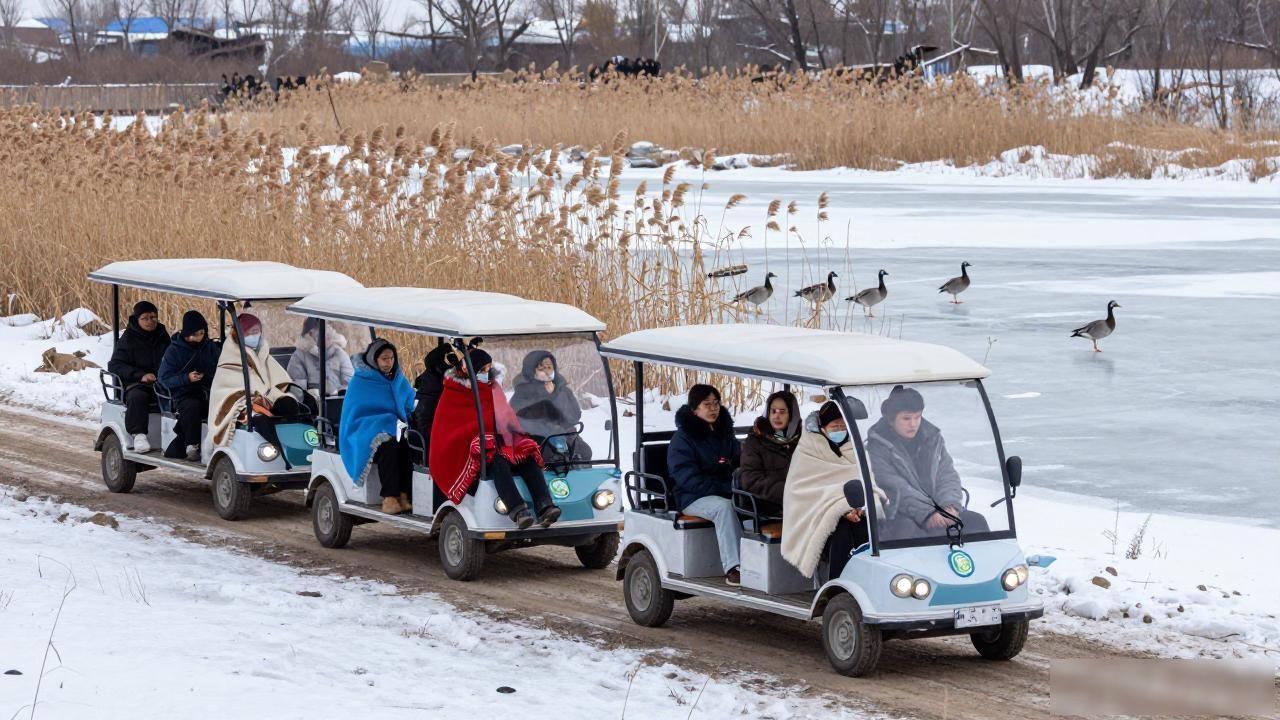
If you prefer a more guided experience, several small eco-tours now run from the Harbin Wetland Park entrance. They keep groups to eight or fewer, use quiet electric carts on the muddy access roads, and stop at marked hide shelters where you can sit wrapped in a blanket for an hour without startling a single bird.
The whole scene is quiet, a little lonely, and utterly unlike the tourist-flooded ice festivals just a few blocks away. Bring a thermos, a thick scarf, and more time than you think you need. The animals won’t rush, and neither should you.