
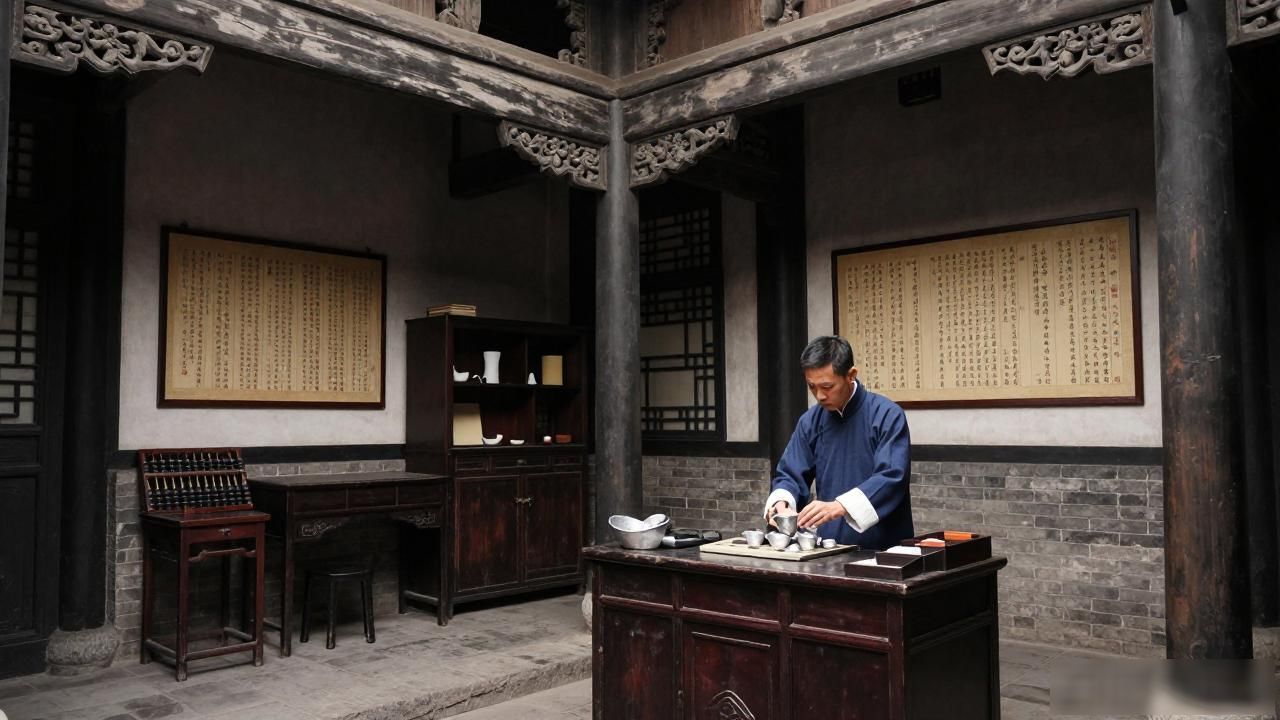
Pingyao Ancient City sits in the middle of Shanxi Province, roughly three hours from Taiyuan by high-speed rail. It is one of the best-preserved walled towns in China, and before I walked through its south gate I had no real sense of how much of a time capsule it still is. The entire layout, from the square street grid to the stone thresholds,carries the slow rhythm of a Ming-Qing era financial hub that simply stopped in place.
What Makes Pingyao Ancient City Special

The thing that stuck with me most was the Rishengchang Draft Bank, arguably the world’s first institution to issue paper drafts that functioned like checks. You walk through the same courtyard where clerks once counted silver ingots, and the counting rooms still sit under the exact wooden beams they were built under in the 1820s. No glass cases, no placards crowding the space. The stone floor still has the faint grooves worn by decades of runners carrying messages between branches in Shanxi and Beijing.
The city walls earned their reputation too. The 3,400-meter rampart lets you walk the entire perimeter of the old town without the push-and-shuffle crowds you’d find on the Great Wall. On a quiet weekday morning you might pass only one other hiker in twenty minutes. Looking out over the flat farmland to the north, the square plan of the streets below feels almost architectural, as if someone stamped a perfect grid into the earth and then built two centuries of life on top of it.
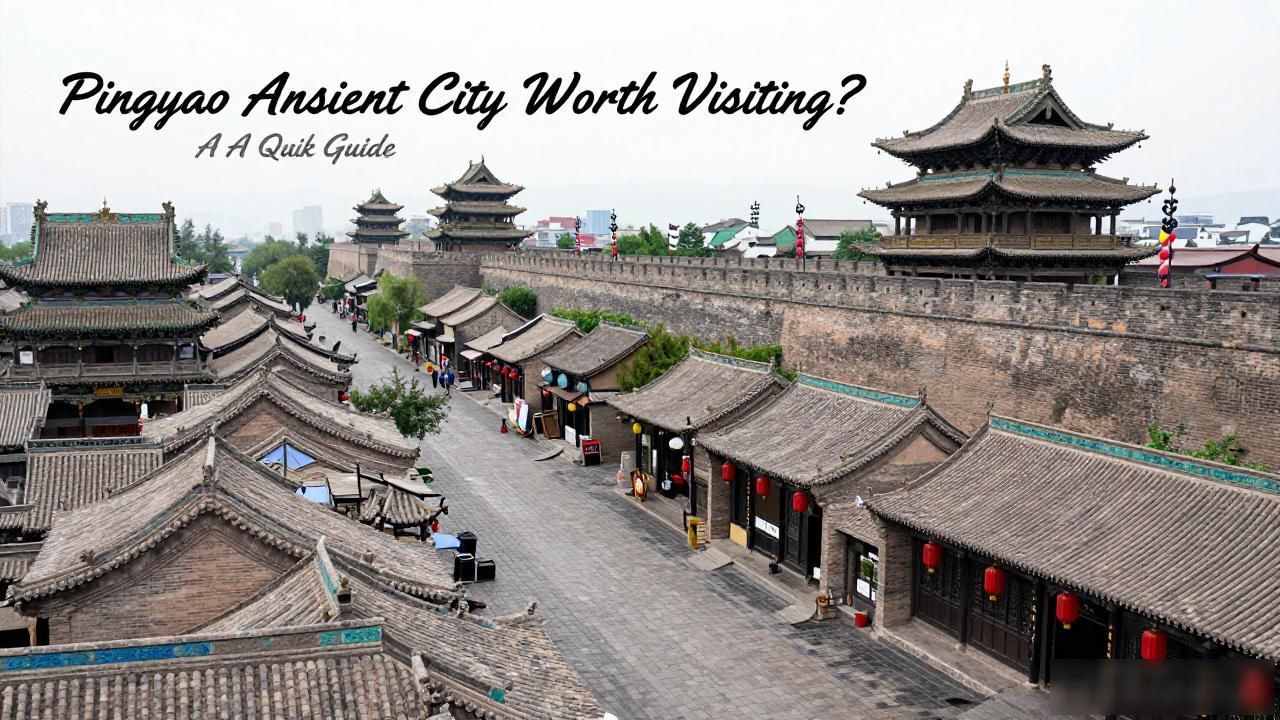
How Many Days for Pingyao Ancient City
You can tick off the core sights in one long day: the walls, Rishengchang, two or three merchant compounds, and the city god temple. But that pace turns the whole visit into a checklist. Two unhurried days is where the place actually starts to make sense. The second morning is for wandering the back lanes that no guidebook names, watching residents sweep their doorsteps, and sitting in a courtyard teahouse with no itinerary and no phone in hand.
Sleep inside the old walls, not in a chain hotel across the highway. The guesthouses clustered near the southern gate and the old post office site tend to have proper courtyards, and the food runs a notch above the skewer stalls lining the main drag. Walk to the east gate after dark; the lantern light catching the rough brick changes the whole city into something that looks older than any photograph.
Pingyao will not rearrange what you think you know about China, but it will nudge you toward the corners where a two-hundred-year-old ledger is still nailed to a wall and nobody finds that strange. Lace up comfortable shoes, leave the heavy camera at home, and save at least one slow, aimless morning just for the walk.