
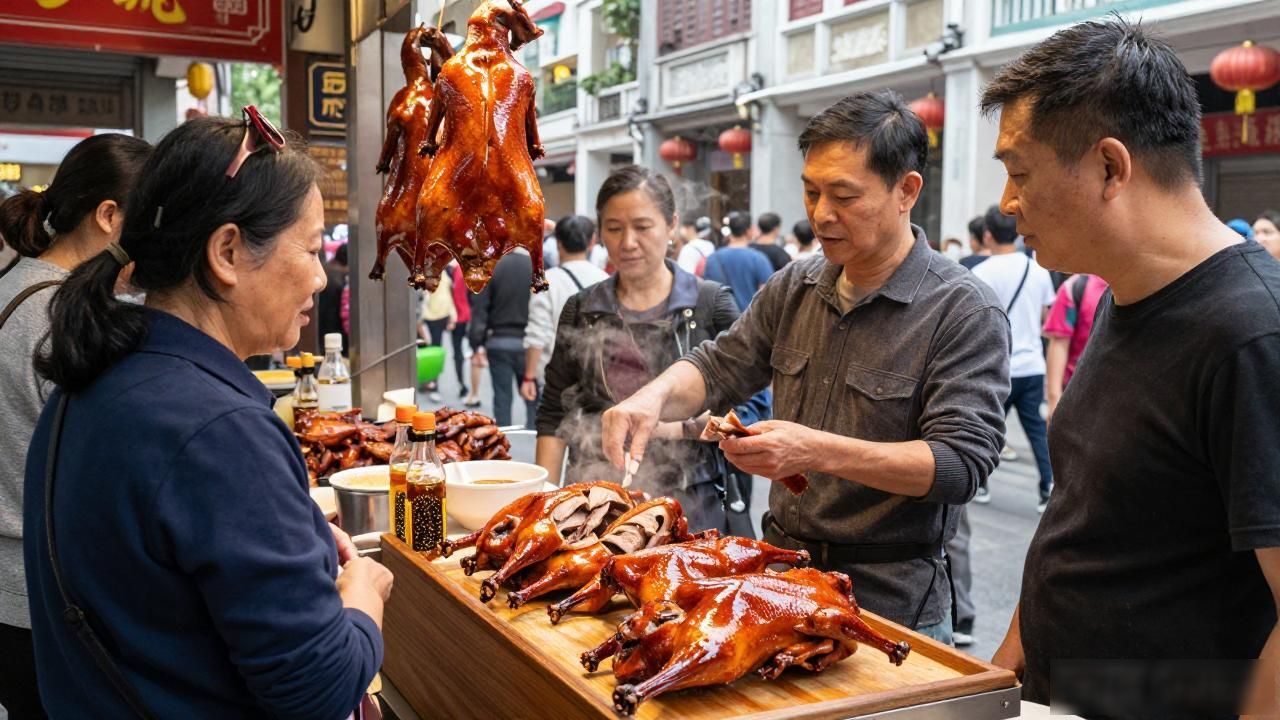
Guangzhou isn’t just a transit city anymore. It’s where Chinese street food meets dim sum culture in a way that makes every meal a small adventure. This guide cuts through the noise and tells you exactly where to taste, what to order, and how to actually enjoy a food trip without getting lost in a sea of menus you can’t read.
Where to do Guangzhou food tasting

Start at Shangxiajiu Pedestrian Street. The smell of sesame oil and charred pork belly hits you before you even find a stall. Grab roast goose from an unmarked counter near the southern entrance – the skin crackles,the meat stays pink inside, and it costs less than a coffee back home. Move two blocks over and you’ll find a wet market where grandmas sell rice nood rolls drizzled with black vinegar.
Beyond the tourist strips, head to Liuhua Town after 6 p.m. The canal-side restaurants there serve stinky tofu and live shrimp in claypot that no chain can replicate. Sit on the plastic stools, point at what looks good, and watch the cook flip things in oil. Nobody checks your visa. Nobody minds that your Mandarin is “one, two, three.”
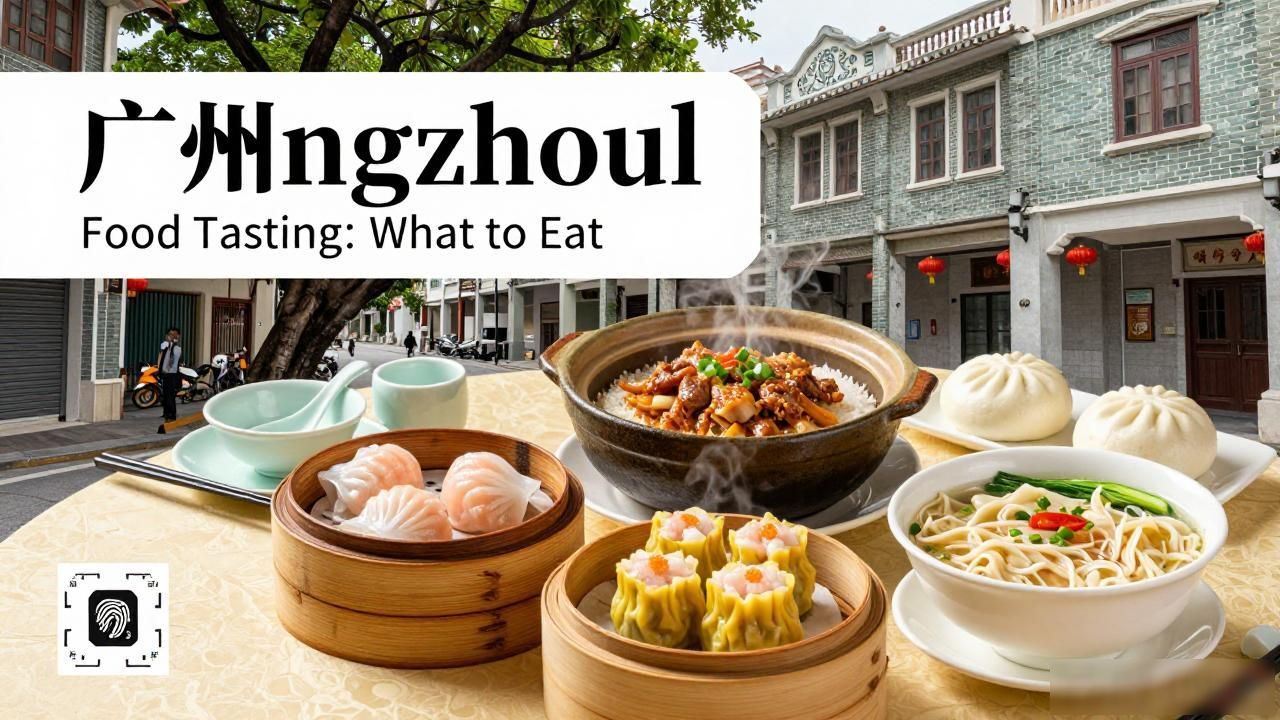
How much for Guangzhou food tasting
A full day of eating – four meals plus snacks – will run you around 150 to 250 yuan (roughly $20 to $35) if you stick to local stalls and teahouses. The moment you step into a hotel restaurant or a spot with a four-person minimum, prices jump to 400 yuan per person. Dim sum at a morning teahouse near Chen Clan Palace? Four dishes, pot of tea, maybe 80 yuan split between two of you. That’s the sweet spot.
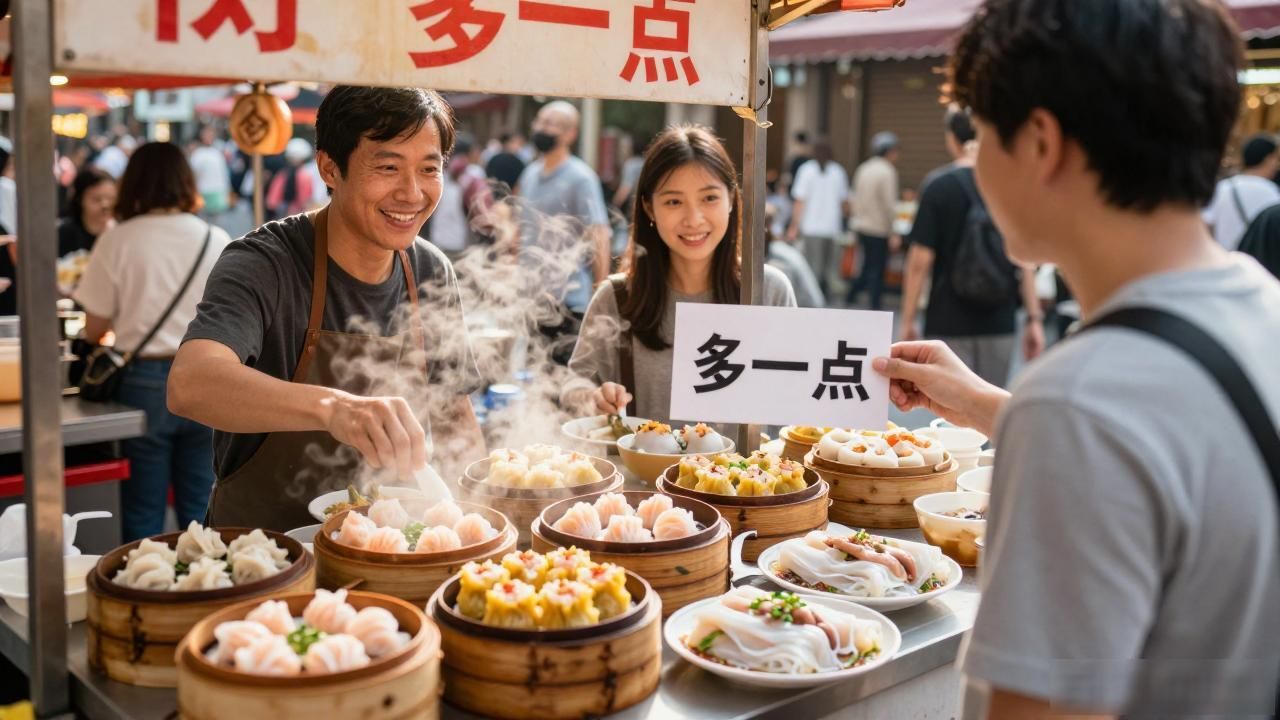
The best deals hide in the afternoon. Many street vendors discount their remaining goods after 4 p.m. A whole plate of har gao, siu mai, and fresh rolls that cost 60 yuan at noon might be 35 yuan at five. Walk in, say “da yi dian” – a bit more – and watch their face. It works better than you’d think.
That’s the real Guangzhou food scene: not the glossy menus, but the plastic tables, the steam, the auntie waving you in with a ladle. Eat where she points. You won’t regret it.