
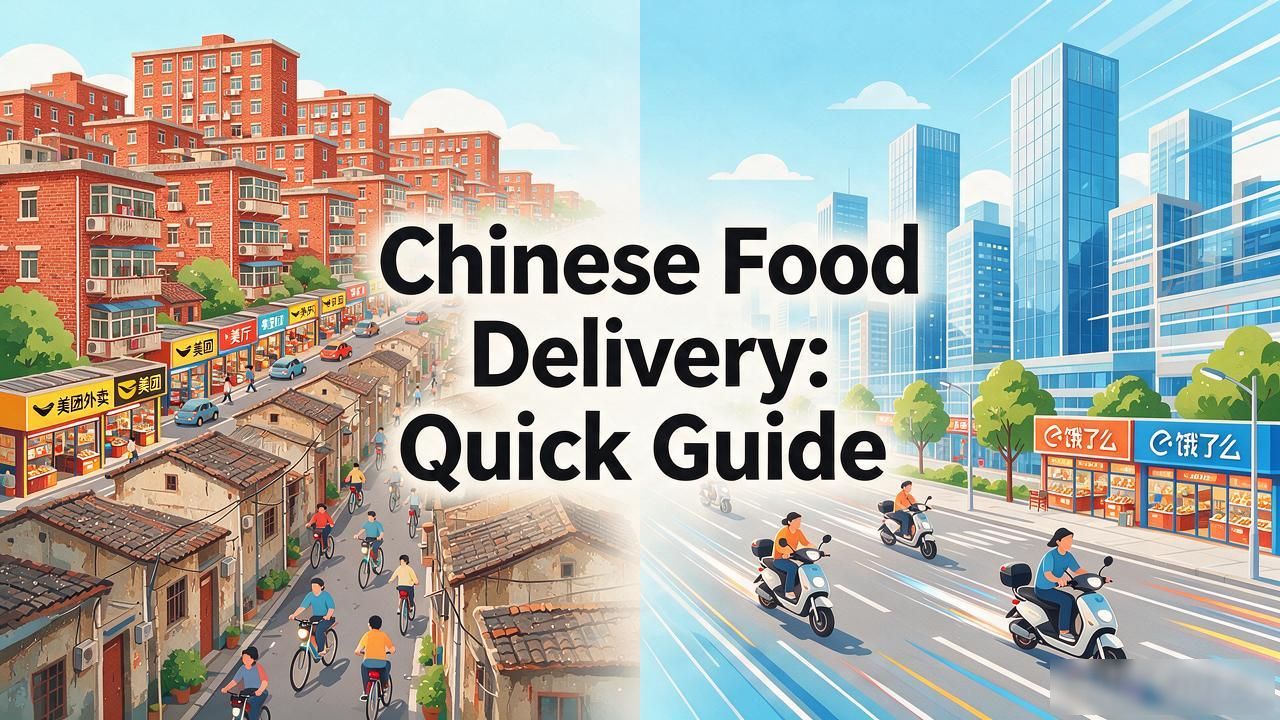
Chinese food delivery has become so deeply embedded in daily urban life that it is genuinely hard to remember the last time I made the effort to walk into a restaurant. Three years in this city and I have placed orders so many times the whole process has become almost automatic. For newcomers stepping in for the first time, though, the system can quickly feel like a tangle of apps, fees, and cultural assumptions that no one bothers to explain.
Which Chinese food delivery apps to use

The two dominant platforms are Meituan and Ele.me, and together they cover virtually every licensed restaurant in the city. Meituan tends to have slightly more listings in older residential neighborhoods, while Ele.me pulls ahead on delivery speed in the core commercial zones. Both follow a similar swiping-through-categories interface, though Meituan’s bright yellow branding and Ele.me’s blue make it easy to tell them apart at a glance.
What catches most foreigners off guard is the payment layer. The apps do not accept foreign credit or debit cards directly. You will need to set up Alipay or WeChat Pay and link a Chinese bank account before your very first order. Skipping that step means you will be staring at a payment-failed screen at 8 PM with a growling stomach, which is not a fun experience.
Is Chinese food delivery safe and fast
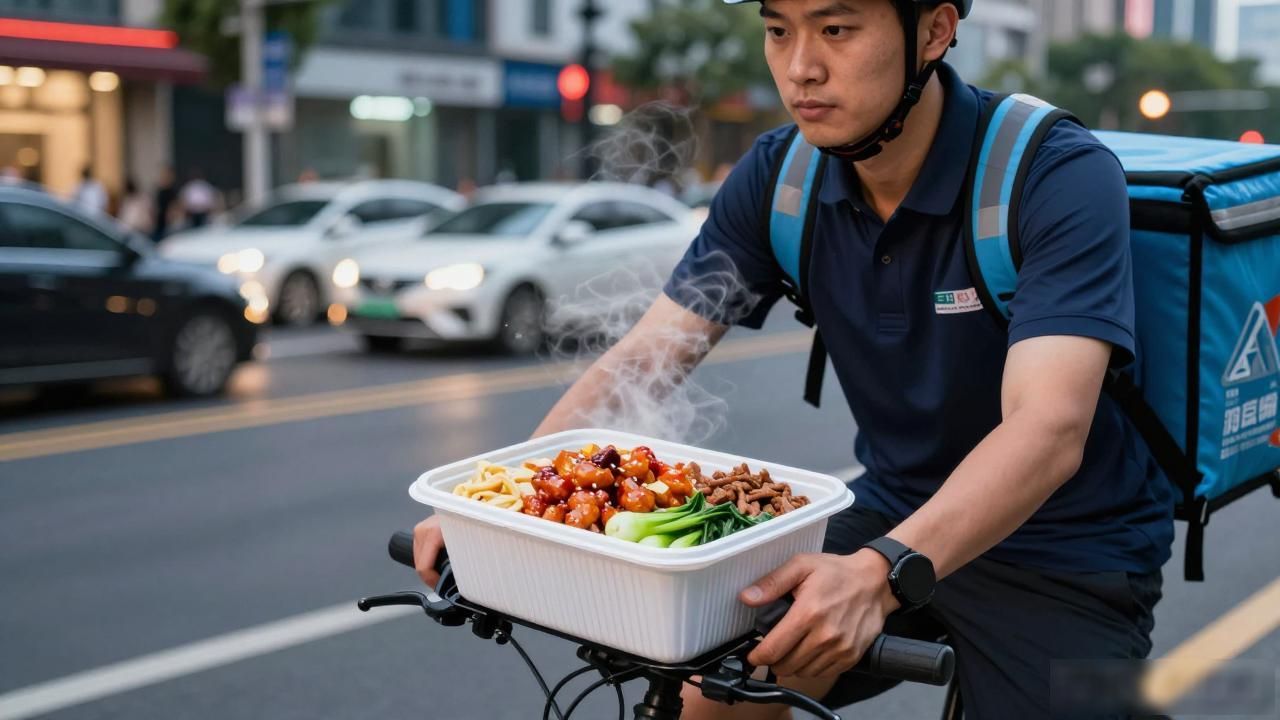
On the speed side, you are typically looking at 25 to 40 minutes for most central districts during normal weather. The platforms employ massive fleets of riders and use algorithm-based assignment,so your courier is matched to you based on distance and their current load. When it rains or snows, that window stretches considerably, and you might watch the little map icon sit at the restaurant for ten extra minutes while the queue builds up.
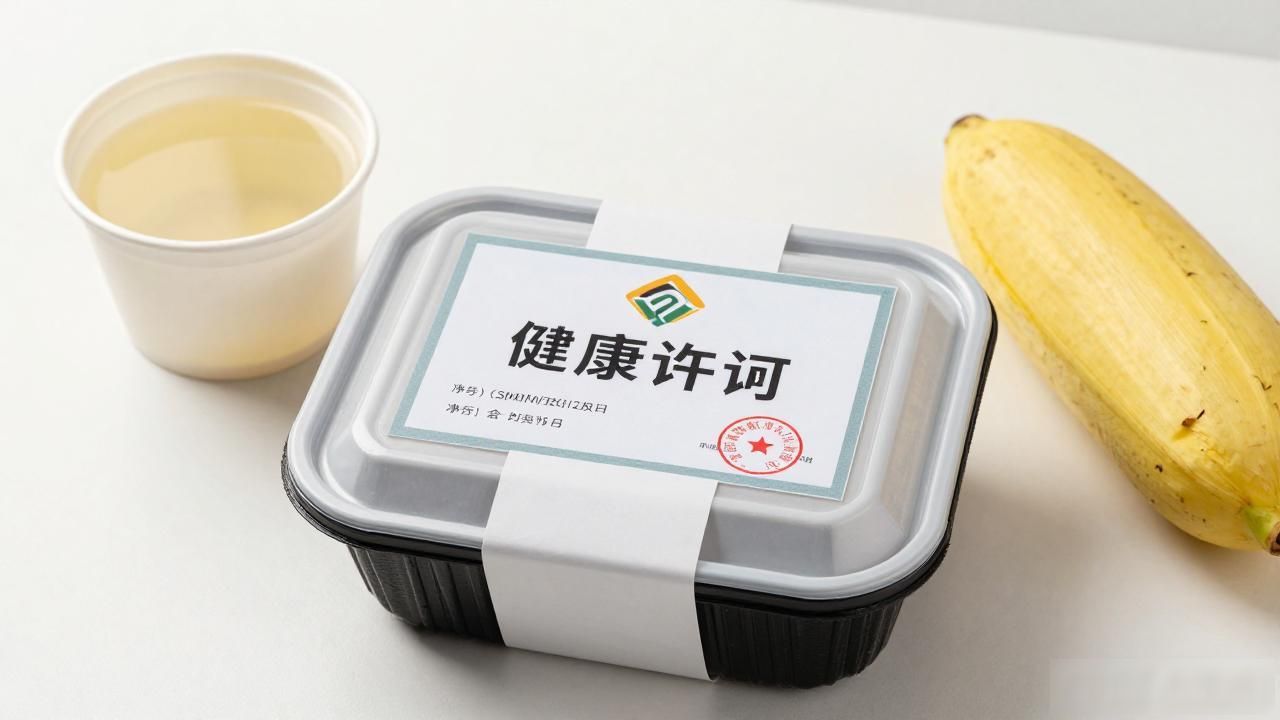
On the food safety question, every restaurant on these platforms holds a valid health license that gets re-verified periodically by the app team. Packaging quality is generally solid, though I have had a couple of soups arrive lukewarm rather than steaming. The overall hygiene standard is essentially the same as dining in, which surprises a lot of expats who assume delivery must be a step down.
The whole thing smooths out after your fifth or sixth order. The apps memorize your address, your usual dishes, even your spice tolerance, and start suggesting combos before you have scrolled past the top banner. What begins as a confusing wall of icons quietly becomes the most convenient part of your evening, and you genuinely stop wondering how you managed before.