
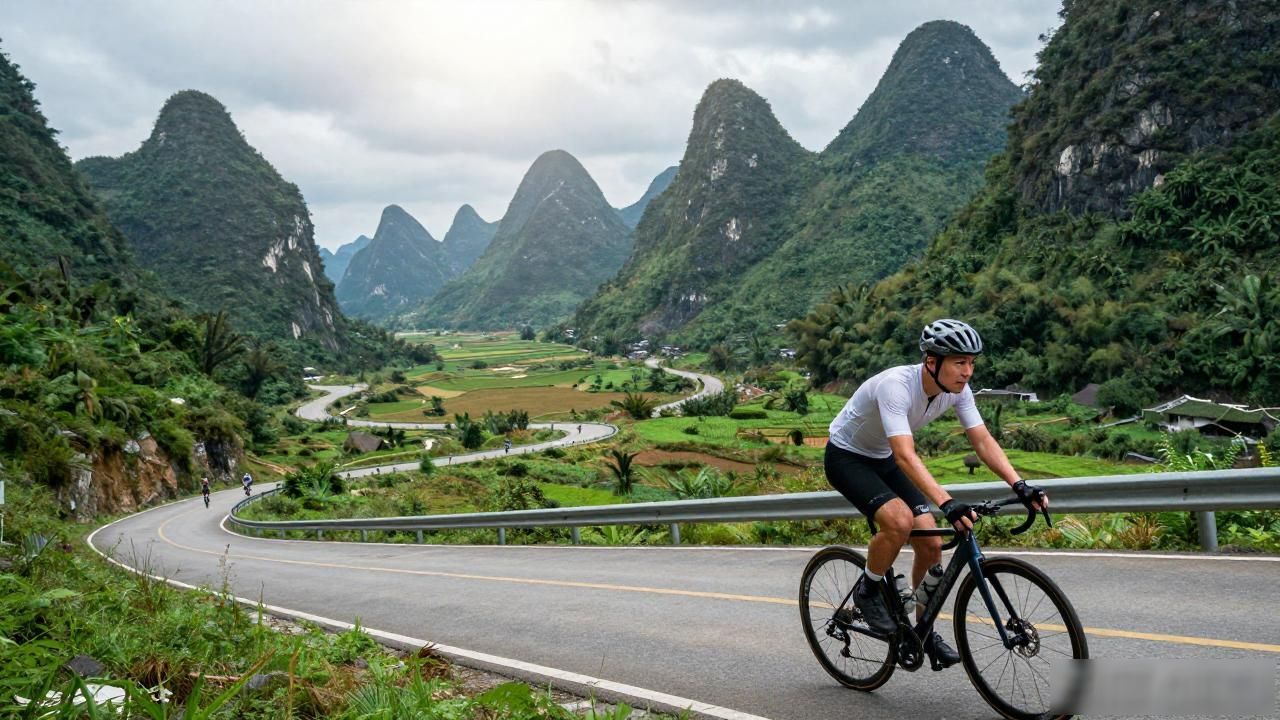
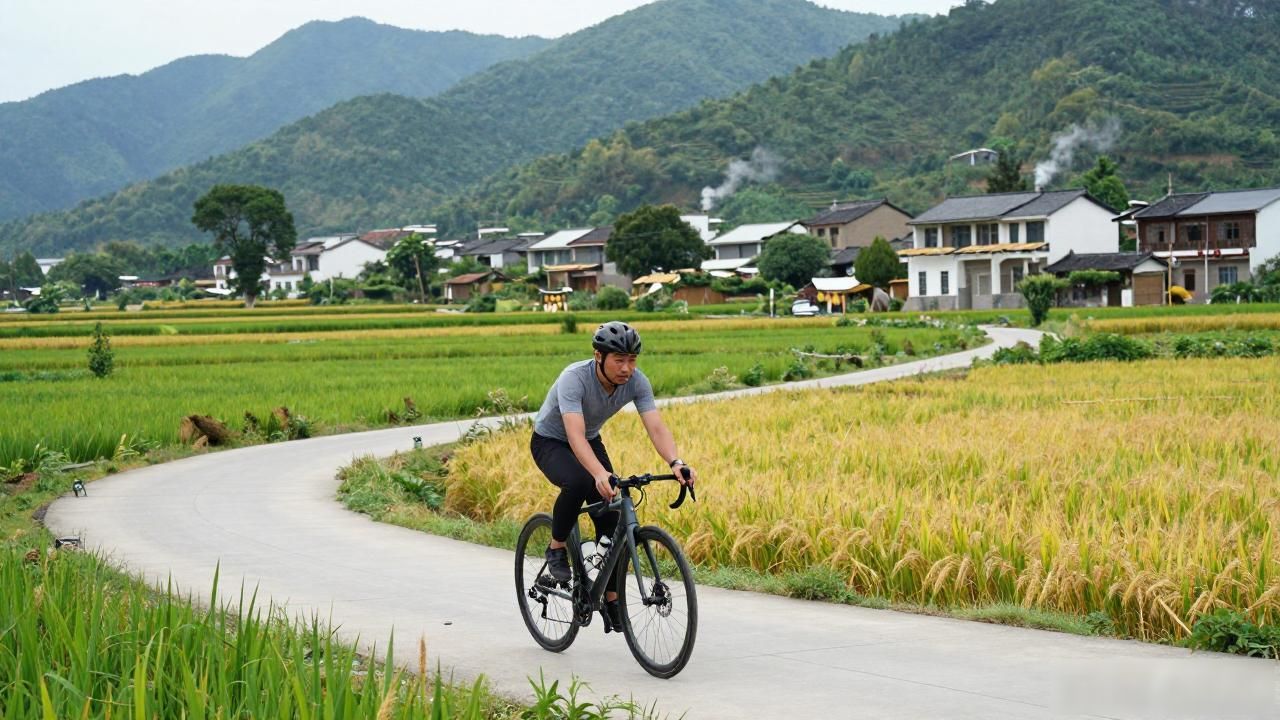
Rural China’s cycling landscape has quietly transformed over the past decade. What was once a patchwork of muddy tracks and forgotten dirt roads has become one of the most rewarding cycling environments on Earth. I’ve spent three years pedaling through four provinces, and the honest truth is that the best routes aren’t the famous ones. They’re the unmarked country lanes where a farmer on a motorbike nods at you and the afternoon light stretches long over rice paddies. You don’t need a permit. You need a bike that handles gravel and a stomach for chili oil.
Which rural China cycling routes should you ride

The Guizhou highland loops between Kaili and Libo pull you through staggering karst valleys where the road drops 400 meters before climbing back up. It’s not technically hard but the cumulative elevation will humble you. Most foreigners I meet there only stay two days and treat it like a checkpoint. I think four is the minimum. The karst formations shift color with the cloud cover, and by the third morning you stop taking photos because the view has become your normal.
Down in Hunan, the route from Fenghuang to the Dong ethnic villages follows a forgotten railway corridor from the 1980s. The terrain is flat, the scenery understated, and you’ll encounter essentially zero traffic after nine. It’s the kind of ride where you realize you’ve been alone for six hours without counting. The weekend village markets are the highlight. Buy a plate of steamed rice cakes, sit on a concrete bench,and watch the whole village go about its business.
How hard are rural China cycling routes
Most rural sections in southern China are manageable for anyone who can sustain 20 km/h. The trick isn’t the climbing. It’s the last 200 meters to your guesthouse when the road turns to loose gravel and your legs are already gone. I’ve had better days. The Yunnan highland stretches are genuinely tough by international standards, but for a rider used to flat European roads, the first two days feel like a warm-up that never ends.
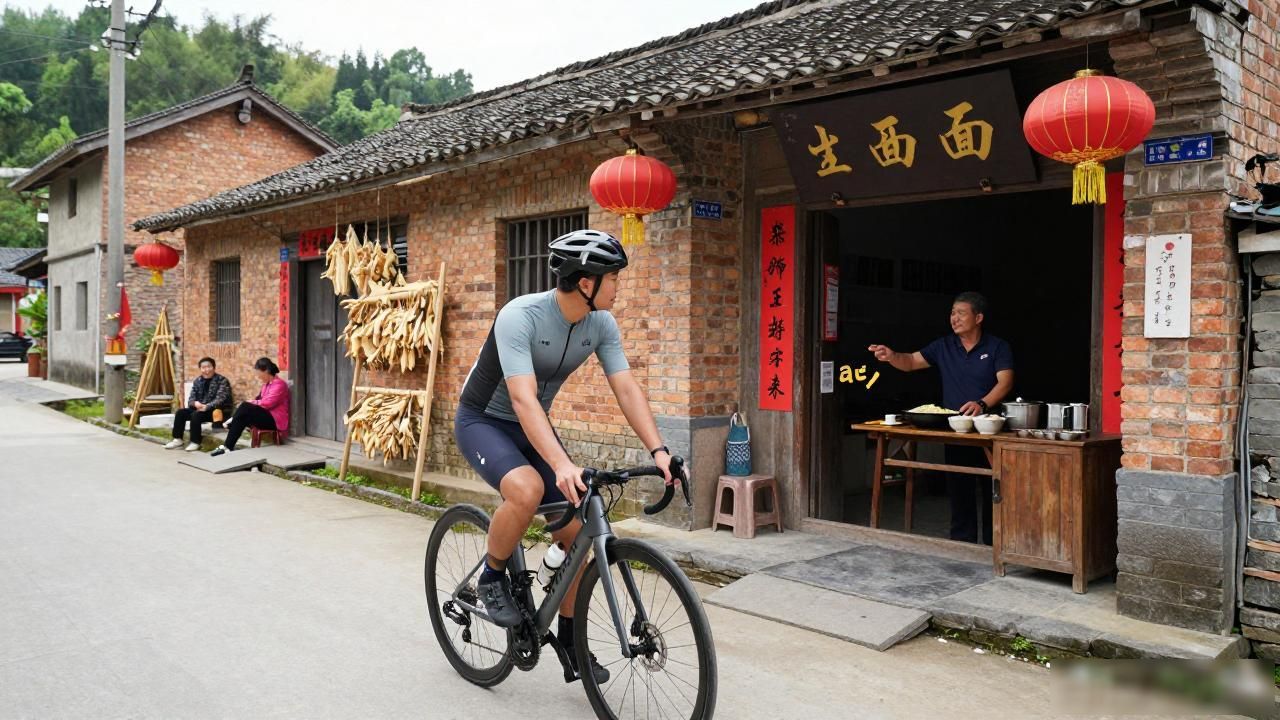
The real difficulty is logistical. Finding a place to eat in a village where English gets you nowhere is part of the adventure, not a bug. Learn three words in Mandarin and you’ll open more doors than any map app. I once sat in a noodle shop for forty minutes trying to figure out which side of the table to claim. The old woman serving them laughed the entire time. It was the best meal of the trip.
The country doesn’t need your permission to be beautiful. Pack light, ride slow, and let the mountains set the pace. You’ll forget the road by the time you reach the next village, and that’s exactly the point.