
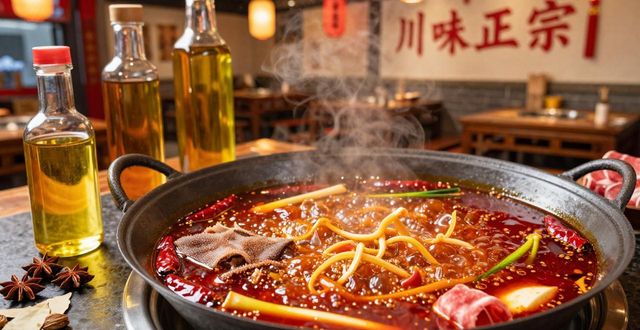
If you are planning a food trip to southwest China, the debate between Chengdu and Chongqing hot pot will surely catch your attention. Both cities claim to serve the best version of this spicy, bubbling feast,but the truth is they offer very different experiences. Chengdu hot pot is known for its complex, aromatic broth with a mild numbing sensation, while Chongqing hot pot hits you with pure, intense heat and rich beef fat. As a foreign traveler, understanding these differences will help you choose the right pot for your taste buds and avoid unpleasant surprises. In this guide, I’ll break down what makes each city unique, how to find a great restaurant, what to order, and how to eat like a local.
What makes Chongqing hot pot different from Chengdu hot pot
Chongqing hot pot is defined by its heavy use of beef tallow (niu you) and a massive amount of dried chilies and Sichuan peppercorns. The broth is thick, oily, and deeply savory, with almost no herbal or spice complexity beyond heat and numbness. Traditional Chongqing style uses “old oil” (lao you), which is recycled and filtered broth that adds layers of umami. The heat level is often extreme, and the soup is rarely drunk as a finishing touch. Locals say the best test of a Chongqing hot pot is whether the broth solidifies when cooled, proof of its beef fat content.

Chengdu hot pot, on the other hand, typically uses vegetable oil or a mix of canola and beef fat, along with a wide range of aromatics like star anise, cardamom, and bay leaves. The result is a more fragrant and slightly less greasy broth, with a softer numbing sensation that builds slowly. Chengdu chefs also emphasize balance, so you can actually taste the ingredients rather than just the fat and spice. Many Chengdu hot pot places offer a “yuanyang” (split pot) with a milder white broth on one side, making it more foreigner-friendly.
How to find the most authentic hot pot restaurant
When you arrive in either city, skip the shiny chains that cater to tour groups. Instead, look for narrow alleys or older residential neighborhoods where the air smells like chili and peppercorn. A reliable sign is a queue of local people waiting outside before 6 p.m., especially older folks who have been eating at the same spot for decades. Authentic restaurants often have a simple menu with no English translations, featuring items like beef omasum, pork aorta, and duck blood. If you see a busy place with steaming pots on every table and the floor slightly slippery from oil, you have found a winner.
Another trick is to check the oil pot before ordering. In Chongqing, the broth should arrive as a solid block of red fat that melts slowly as it heats. In Chengdu, the broth will be liquid but shimmering with red oil and floating spices. Avoid restaurants that use pre-packaged soup bases or offer all-you-can-eat deals below 60 yuan per person, as the quality of ingredients and oil will be poor. Finally, ask your hotel reception or a local friend for their personal favorite. The best hot pot joints are often hidden and never advertised online.
What ingredients you must try in a hot pot meal
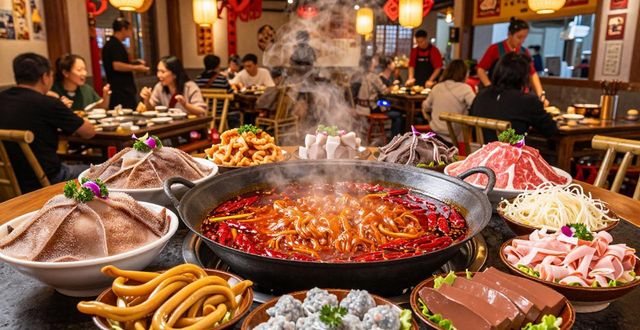
Do not just order beef slices and mushrooms. The soul of Sichuan and Chongqing hot pot lies in offal and crunchy textures. Start with fresh tripe (maodu), which should be dipped into the boiling broth for exactly 15 seconds using the “seven up and down” method. This gives it a perfect crisp-tender bite. Next, try duck intestine (yachang), which curls up after 10 seconds and becomes snappy and slightly chewy. For the adventurous, pork brain (naohua) is silky like tofu but much richer, and it absorbs all the spicy flavors beautifully.
You should also order crispy pork aorta (huanghou), beef tendon slices, and sliced lotus root for a refreshing crunch between bites. Don’t forget “酥肉” (su rou), deep-fried pork strips that you can eat dry or dip briefly into the broth to soften. For vegetables, choose Chinese yam, crown daisy, and enoki mushrooms, but add them to the milder side of a split pot if you cannot handle extreme oiliness. Remember that leafy greens like lettuce will soak up enormous amounts of chili oil and become almost inedible for beginners.
Tips for eating hot pot like a local
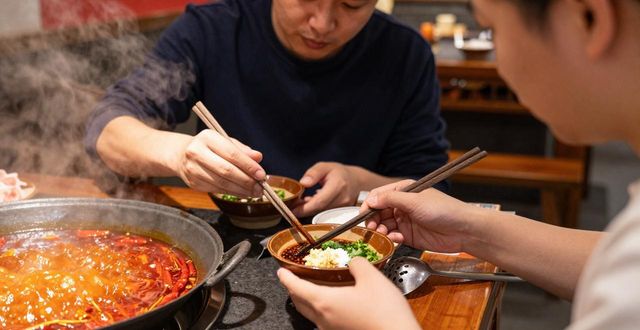
The most important rule is never to drink the spicy broth directly, as it is pure oil and chili concentrate. Instead, prepare a dipping sauce using a small bowl of sesame oil, minced garlic, chopped coriander, and a pinch of salt. This oil-based sauce cools down the heat, protects your stomach lining, and enhances the flavors. Some locals add a spoonful of raw garlic or a dash of vinegar, but avoid adding extra chili unless you are a spice veteran. Also, never put your personal chopsticks into the shared pot; use the provided serving chopsticks or the back ends of your own.
Control the heat by adjusting the gas burner under the pot. Keep it at a gentle boil rather than a violent rolling boil, which will overcook delicate items like tripe. For ingredients with different cooking times, use the pot’s divider or memorize a mental map. Tofu and meatballs need 5 to 8 minutes, while thin meat slices take only 30 seconds. Drink cold beer, soy milk, or the local sour plum drink (suanmeitang) to neutralize the spiciness. Finally, finish your meal with a few bites of plain white rice or a bowl of the non-spicy broth if you have a split pot. And never ask for the bill until everyone has put down their chopsticks – hot pot is a slow, social experience.
Have you ever tried Chengdu or Chongqing hot pot? What surprised you the most – the numbing peppercorns, the offal ingredients, or the social etiquette? Share your story in the comments below, and don’t forget to like and save this guide for your next trip to China