
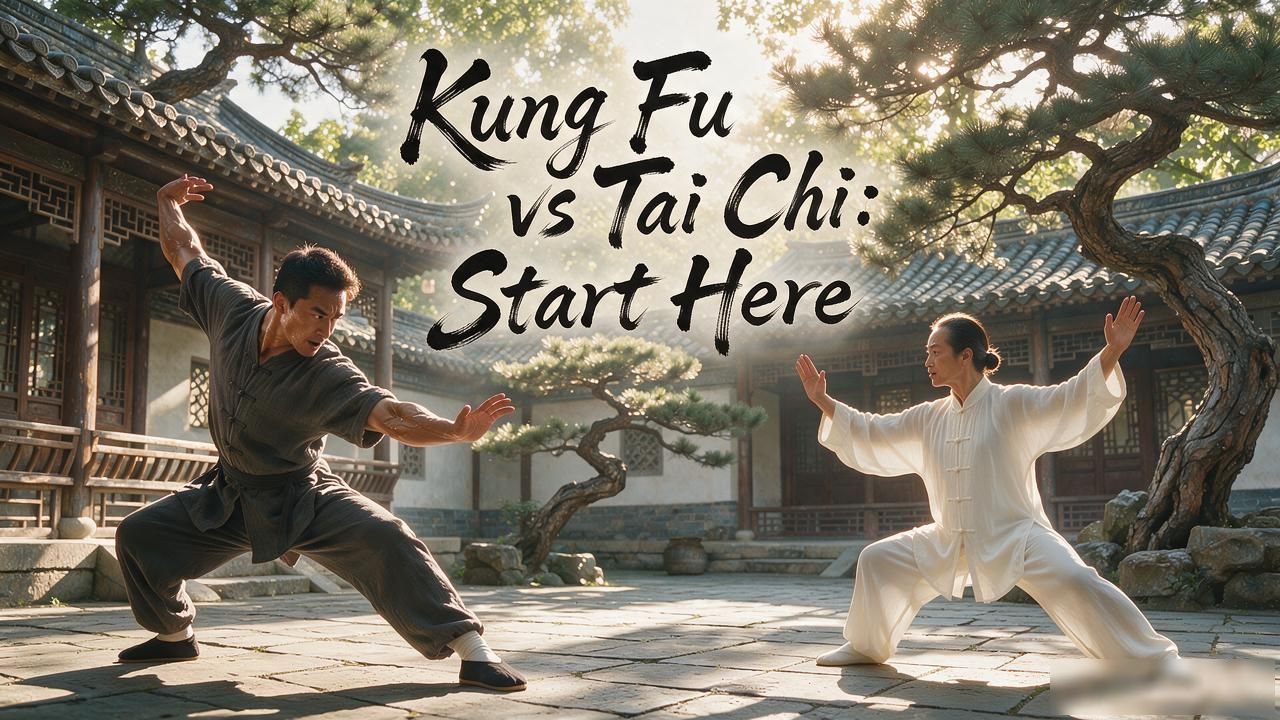
Chinese Kung Fu & Tai Chi get lumped together in most Western conversations, as if they’re the same thing with a volume knob. They’re not. One is a combat system built over centuries of structured training; the other channels slow, circular movement and internal breath work. Figuring out where they genuinely overlap and where they’ve pulled in separate directions will save you a lot of trial and error before you commit to a class.
is tai chi a type of kung fu

Technically, tai chi sits within the internal branch of Chinese martial arts, right alongside xingyi and bagua. So it does carry a kung fu lineage in its bones. What most people in the West actually experience as “tai chi,” though, is the fitness and meditative offshoot that stripped away most of the fighting applications. A practitioner at a park in Beijing doing push-hands with a partner is working in a completely different register from the gentle circular arm sweeps you see at a community recreation center. The martial tradition and the wellness exercise share a name but have drifted apart over decades of cultural translation.
If you walk in hoping to learn how to off-balance an opponent, ask the instructor specifically about push-hands drills and sparring frameworks. If your goal is joint mobility, stress relief, or a moving meditation you can do at 6 a.m. with a cup of tea,the slow-form practice already delivers all of that without a single sparring component.
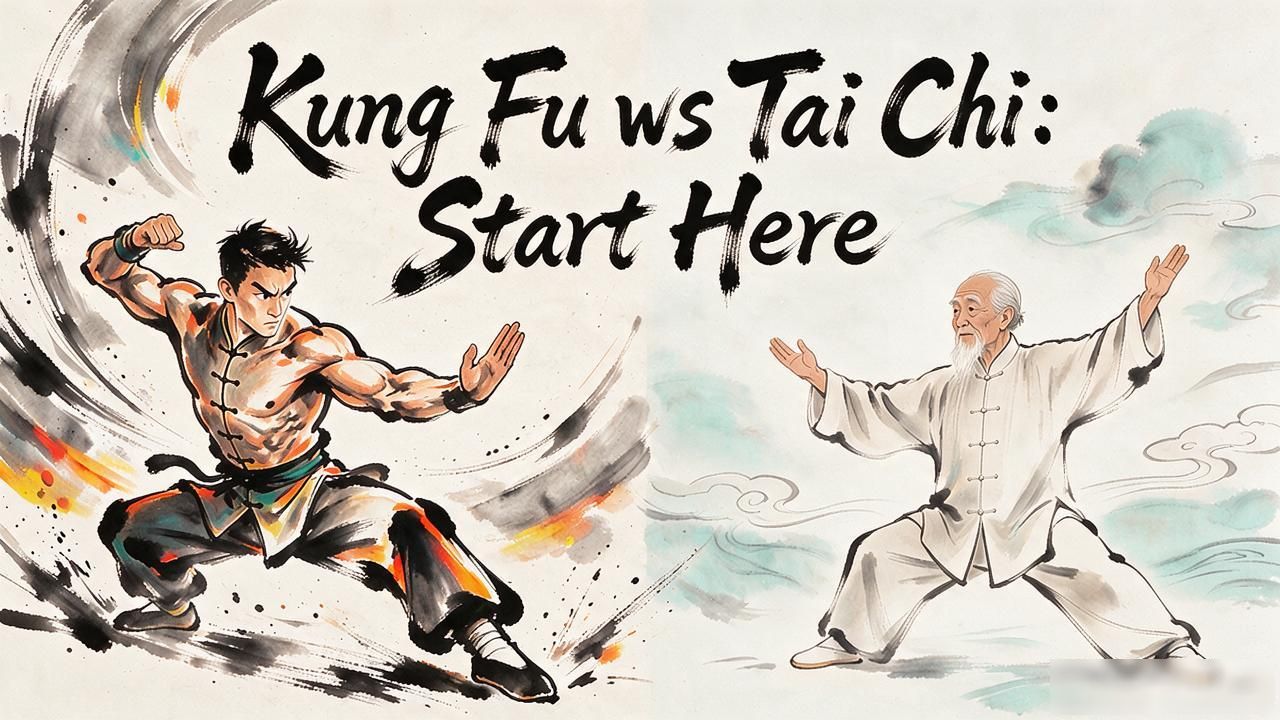
which kung fu style for beginners
Most brand-new students gravitate toward wushu forms or basic sanda because the feedback is immediate and physical. You throw a punch, deliver a kick, set a block, and you can feel the difference between a sloppy rep and a sharp one. If you have zero martial background, a structured wushu or sanda program hands you clear milestones: learn a form, break it into component steps, add speed and power over weeks. Progress is visible.
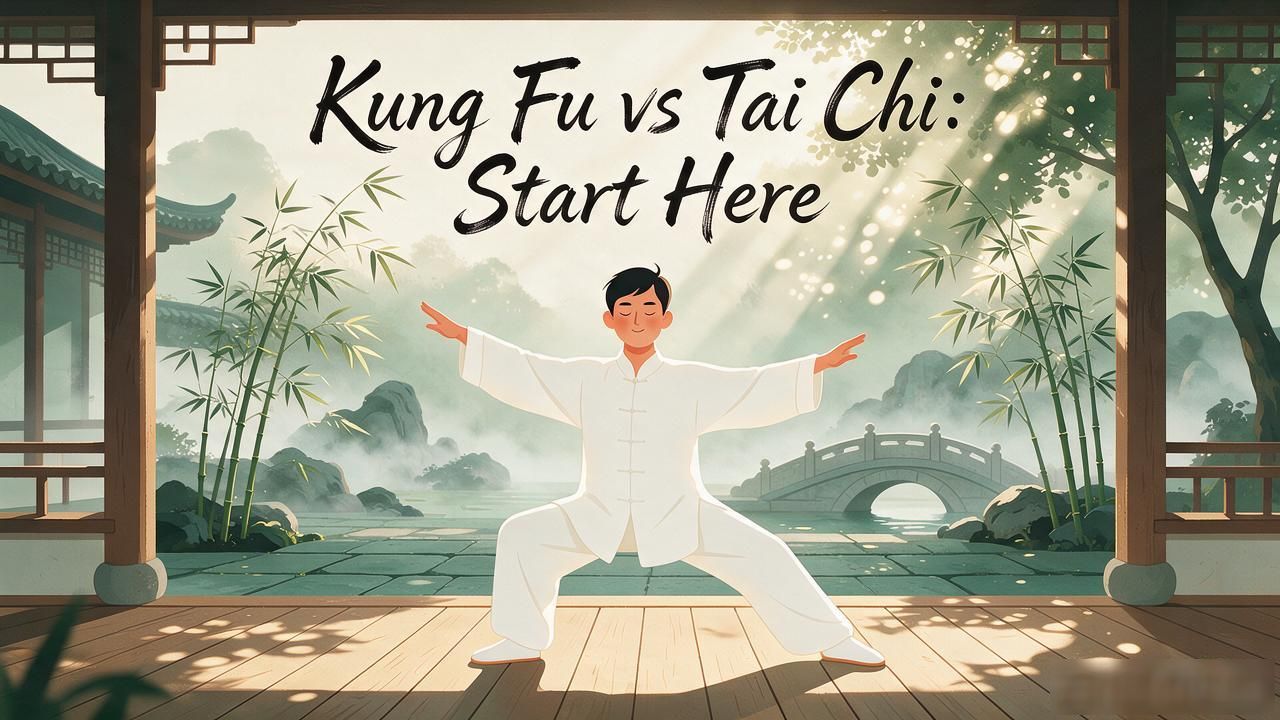
Tai chi beginners who commit to even fifteen minutes of slow forms daily will start noticing better grounding, steadier balance, and a calmer breath pattern within about a month. That’s a completely different reward curve. You won’t be punching a heavy bag by week two, but your posture, spatial awareness, and focus will shift in subtle ways that a pure striking student might not register for years.
Neither path is “better.” They answer different questions you’re asking of your body. Walk into both, give each a few sessions, and let your own experience decide which rhythm you want to keep.