
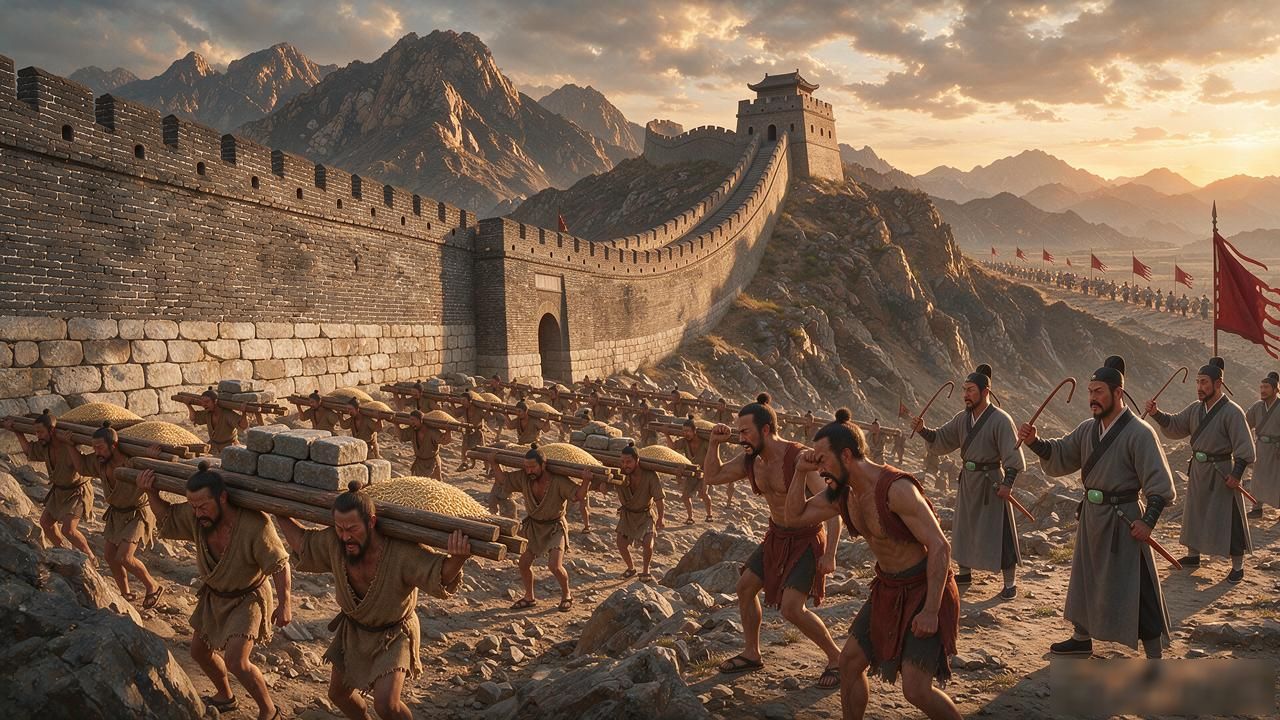
The Great Wall is often pictured as a single unbroken wall stretching thousands of kilometers across Chinese landscapes. In reality, its construction spans over two millennia, involves dozens of dynasties, and draws on every type of local material available to ancient workers. What makes the story of Great Wall construction genuinely remarkable is not just its staggering scale but the sheer engineering ingenuity and brutal labor behind every meter of it.
How was Great Wall construction funded
Dynastic governments assigned hundreds of thousands of soldiers and conscripted laborers to the project, meaning the primary budget was human lives and time rather than coin. Farmer families who lost their workers during planting season faced starvation, and this social cost fueled peasant rebellions more than once in Chinese history.

The state organized supply chains for grain,tools, and equipment across vast distances. Corvée labor systems meant no one received payment in currency; the obligation itself was the price of Great Wall construction for much of its history. Families who failed to send a man faced corporal punishment or imprisonment.
What materials defined Great Wall construction
In the western desert stretches, workers packed layers of sand, gravel, and tamarisk branches into rammed-earth walls. No fired bricks existed there. The technique was brutal but functional, and the layered packing method allowed walls to rise to six meters in as little as two weeks under ideal conditions.
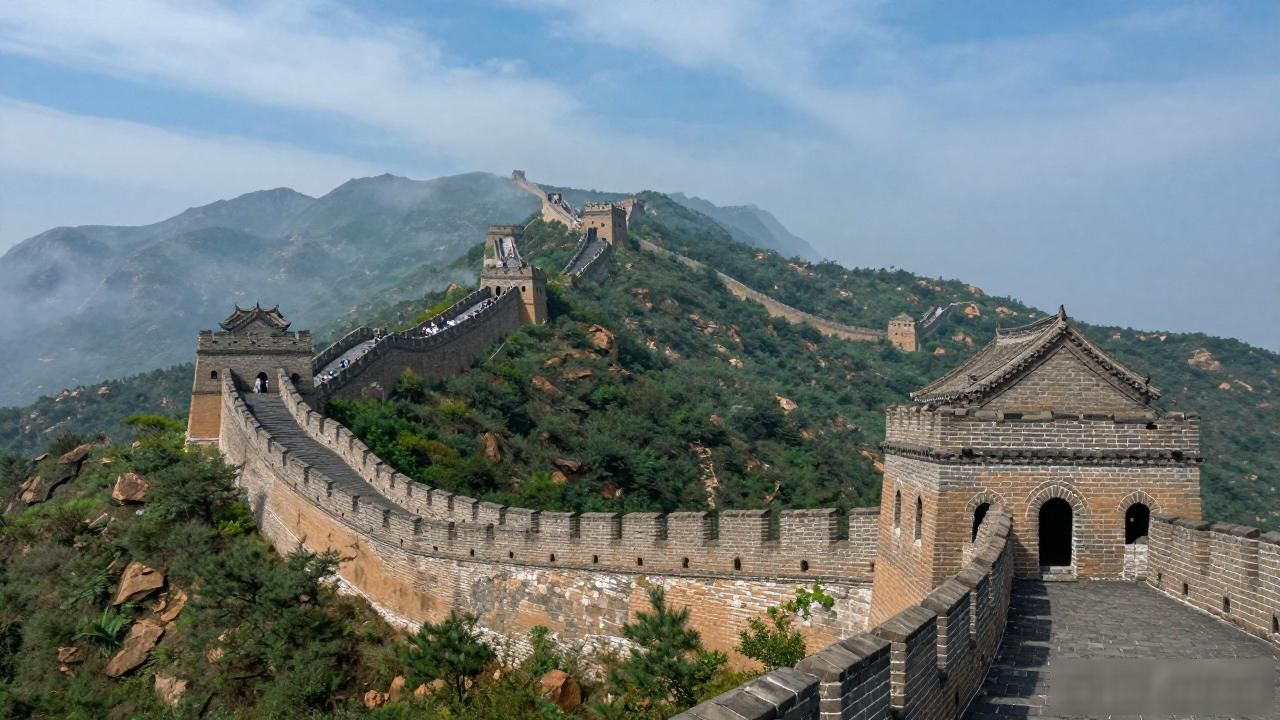
Along the eastern coast and mountain ridges, the story changes entirely. Fired brick and lime mortar became standard from the Ming dynasty onward, producing the stone-faced ramparts most travelers picture today. Each section was tailored to its geology, which means no two stretches of the wall look alike when you walk them.
How long did Great Wall construction take
The earliest sections date to the seventh century BCE. The wall we recognize today was largely rebuilt between 1370 and 1644 during the Ming dynasty, with work paused and resumed across multiple generations. No single generation built it.
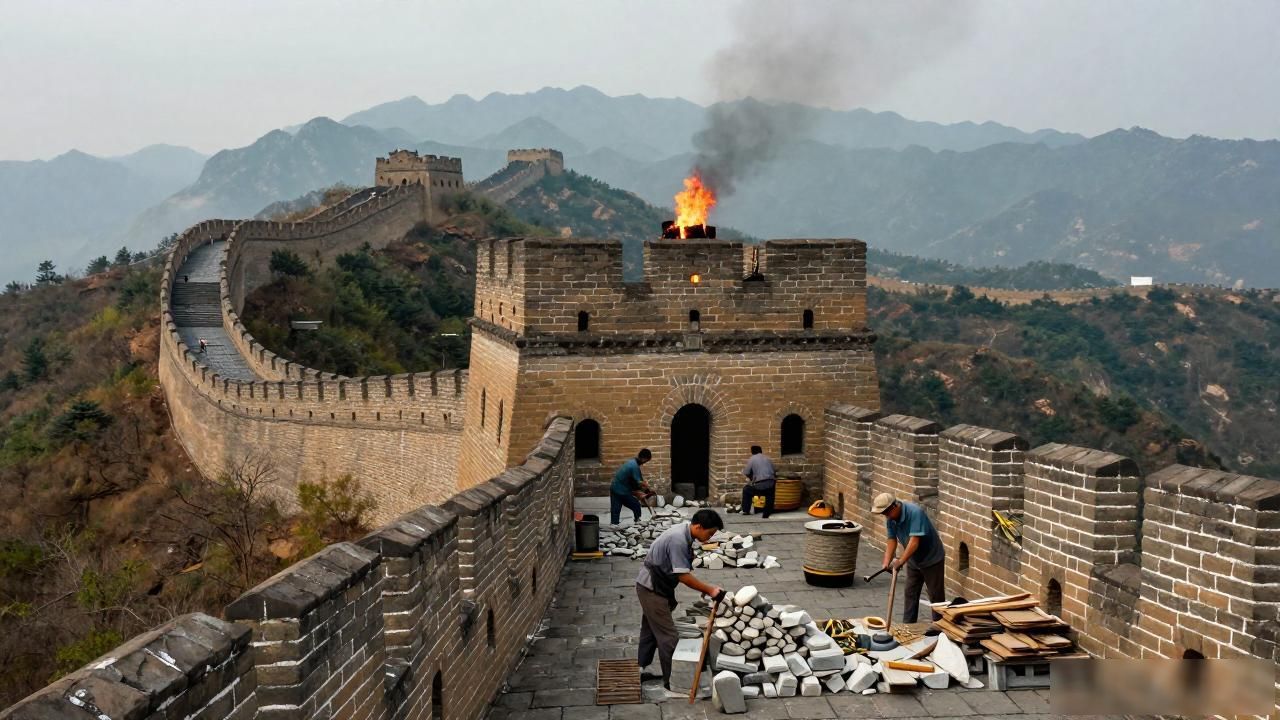
Individual watchtowers might take a year to complete, but the entire Ming-era stretch required roughly two centuries of continuous and cyclical effort spread across dozens of separate building and repair campaigns.
Standing on a Ming-dynasty section at dawn, you can still see the tool marks chiseled into the brick by hands four hundred years dead. That is what makes Great Wall construction not just a monument but a time capsule of human labor, patience, and stubborn ingenuity.