
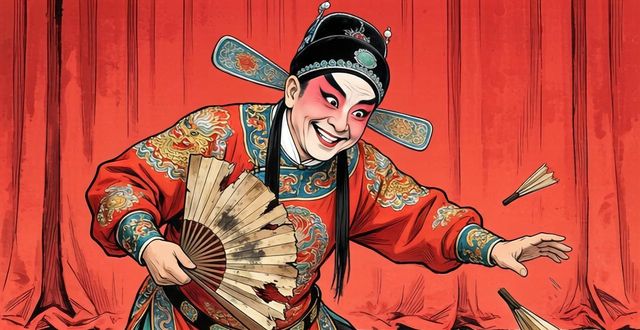
Sichuan Opera, a dazzling gem of Chinese culture, is famous for its face-changing, fire-breathing, and lively storytelling. But behind every thrilling performance lies a world of carefully crafted props. These objects are not mere decorations—they are active storytellers that help actors reveal character, emotion, and plot. From a simple fan to a decorated helmet, each prop carries deep meaning and practical function. Understanding these props opens a door to appreciating the artistry and intelligence of Sichuan Opera. Let’s explore the most essential tools on this vibrant stage.
The Fan as a Versatile Sichuan Opera Prop
The folding fan is perhaps the most common prop you will see. In the hands of a skilled actor, it becomes a sword, a letter, a mirror, or even a wine cup. The way the fan is opened, closed, or waved tells the audience whether the character is noble, playful, angry, or shy. For example, a slow, elegant movement suggests a refined scholar, while quick, sharp gestures signal a warrior’s tension. Most fans are made of bamboo ribs and paper or silk, painted with flowers, poems, or landscapes that further hint at the character’s personality. Foreign visitors often miss these subtle signals, but once you learn to watch the fan, the whole story becomes clearer.

Another fascinating use of the fan is in comedic roles. The “clown” or chou character often uses a small, broken fan to show clumsiness or low social status. He might drop it, catch it, or hide his face behind it while peeking at the heroine. This physical comedy is universal and needs no translation. The fan also helps actors perform quick changes—a snap open can distract the audience for a split second while the actor changes a mask or adjusts a costume. Without the fan, many of these magical moments would lose their rhythm and surprise.
The Sword and Spear in Hero Roles
Swords and spears are essential for military plays, which celebrate loyalty, bravery, and justice. Unlike real weapons, these props are lighter and often decorated with colorful tassels and ribbons. The tassel is not just for beauty; it follows the blade’s movement, making every slash and thrust visible even from the back row of a large theater. A red tassel on a spear, for instance, represents the warrior’s burning spirit. Actors train for years to spin, toss, and catch these weapons without looking,a skill called huāqiāng (flower spear). This creates a hypnotic, swirling visual effect that draws gasps from the audience.
What makes Sichuan Opera weapons unique is their use in acrobatic fighting. Two warriors might clash swords while leaping over tables or rolling on the ground, yet the props never feel heavy or clumsy. The sound is also important—a soft metal ring when swords cross tells you the fight is playful, while a loud clang signals real danger. Many weapons are family heirlooms passed down through opera troupes, with dents and scratches that record hundreds of performances. When you see a hero raise his sword, remember that this prop carries the weight of tradition and the sweat of countless rehearsals.
The Helmet’s Hidden Messages
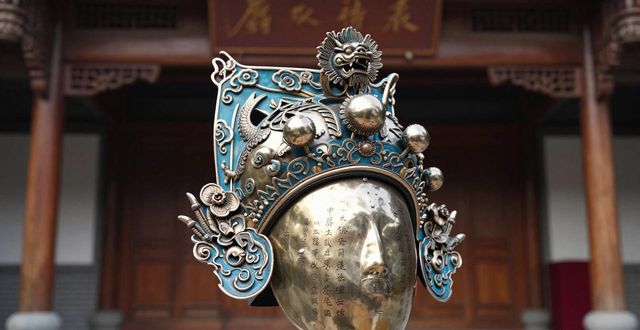
Helmets and headpieces in Sichuan Opera are like three-dimensional ID cards. A general wears a helmet with a long pheasant tail feather (língzi), which he can flick with his neck muscles to express pride, anger, or indecision. Twirling the feather in a circle means “I am thinking hard,” while pointing it forward means “charge!” This technique is so difficult that only a few actors master it. The helmet itself is made of hardened cloth, painted with gold and red patterns, and studded with artificial jewels. A demon character might have a helmet with small mirrors or horns, while a loyal minister wears a plain black hat with square corners.
Colors on helmets follow strict rules. Gold and yellow are for gods and emperors. White with silver ornaments often signals a young, handsome hero. Black helmets with red tassels belong to fierce, honest generals. Foreign audiences sometimes mistake these helmets for simple costumes, but each element tells a story. For example, a broken helmet or a missing feather might mean the character has lost a battle or fallen from grace. Next time you watch a Sichuan Opera, look closely at the actor’s head—you will see a map of his entire life.
How Props Support Face Changing
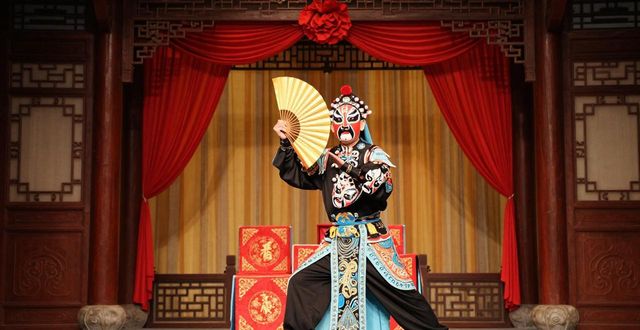
Face changing (biàn liǎn) is the most famous Sichuan Opera trick, but few people notice how props make it possible. The quick-change masks are hidden under the costume, and the actor triggers them with a hand movement or a prop. A common technique is to brush the face with a fan, then suddenly the mask changes color from red to blue. Another method uses a large sleeve or a flag to cover the face for a split second. Without these props, the illusion would be impossible. The prop becomes a partner in deception, distracting the eye just long enough for the actor to pull a silk thread attached to the mask.
Even small props like a cup or a scroll can trigger a change. In one famous scene, a drunken official raises a wine cup to his lips, and when he lowers it, his face has turned from white to black—showing his hidden evil nature. The audience gasps not just at the magic, but at the perfect timing. Props also protect the actor’s safety. The masks are made of thin oil paper or leather, and pulling them too fast could hurt the skin. A well-designed prop reduces friction and ensures a smooth change. So when you applaud the face-changing artist, remember to thank the simple fan or sleeve that helped create that wonder.
Now that you know the secrets behind these amazing tools, which Sichuan Opera prop would you most want to see in action—the magic fan, the hero’s sword, the storytelling helmet, or the face-changing helper? Share your thoughts in the comments, and if you enjoyed this guide, give it a like and pass it along to fellow culture lovers. Your support helps keep traditional arts alive for everyone to discover.