
Traditional Chinese festivals aren’t just dates on a calendar. They carry centuries of ritual, food, and family bonds that most Westerners only glimpse from the outside. Having lived in Chengdu for twelve years, I’ve sat through more Spring Eve dinners than I can count, and I know how confusing the whole thing can feel if you’re new to it.
What do Chinese festivals mean
These celebrations are rooted in agriculture, ancestors, and seasonal change. Spring Festival marks the lunar new year and the return of spring to the fields. Dragon Boat Festival honors a loyal minister who drowned himself rather than flee corruption. Mid-Autumn Festival is about the full moon and family reunion after harvest.

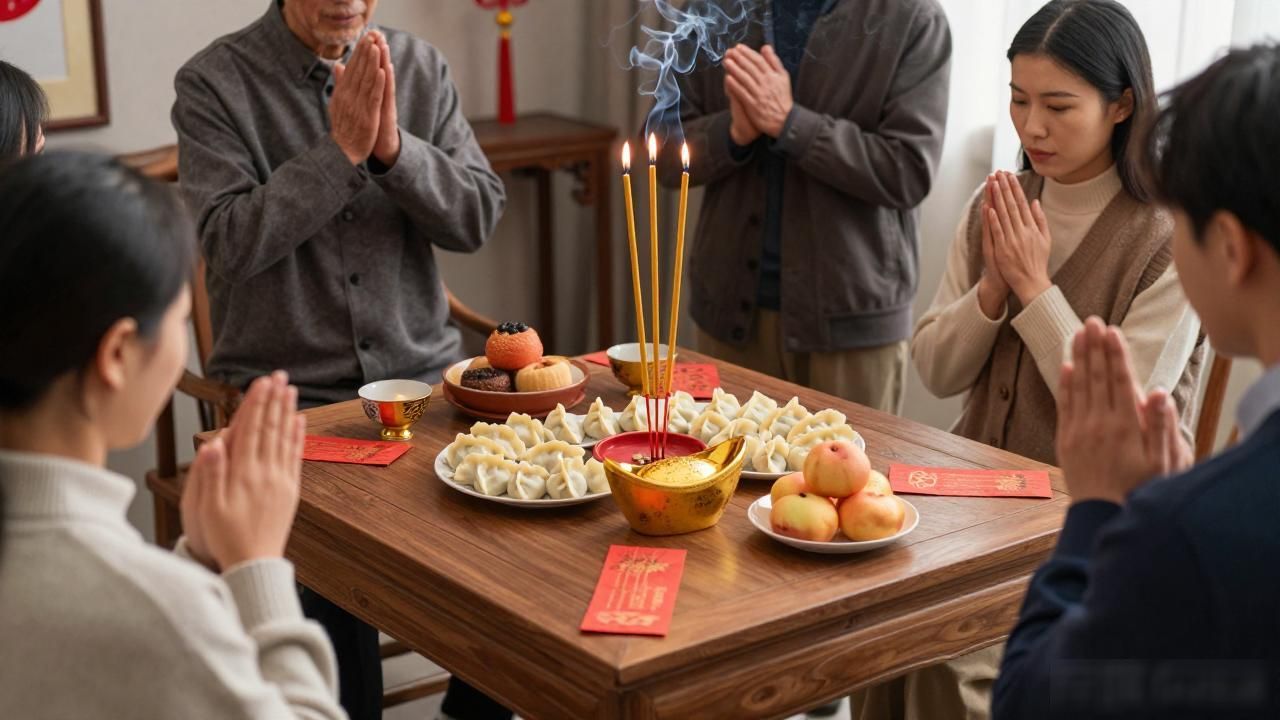
Each one has a specific food, a specific ritual, and a specific taboo. You don’t just “go to a party.” You light incense for grandparents who passed, you eat dumplings shaped like ancient gold ingots, you leave a place at the table for the family ghost. The meaning is in the doing.
How to join festival celebrations
The shortest answer: let a Chinese friend or colleague invite you. In most small towns and neighborhoods, festivals are private, household-level events. You don’t walk in off the street. But expat communities, universities, and cultural centers in Beijing, Shanghai, and Guangzhou regularly host public Lantern Festival riddle games or Qixi poetry readings.
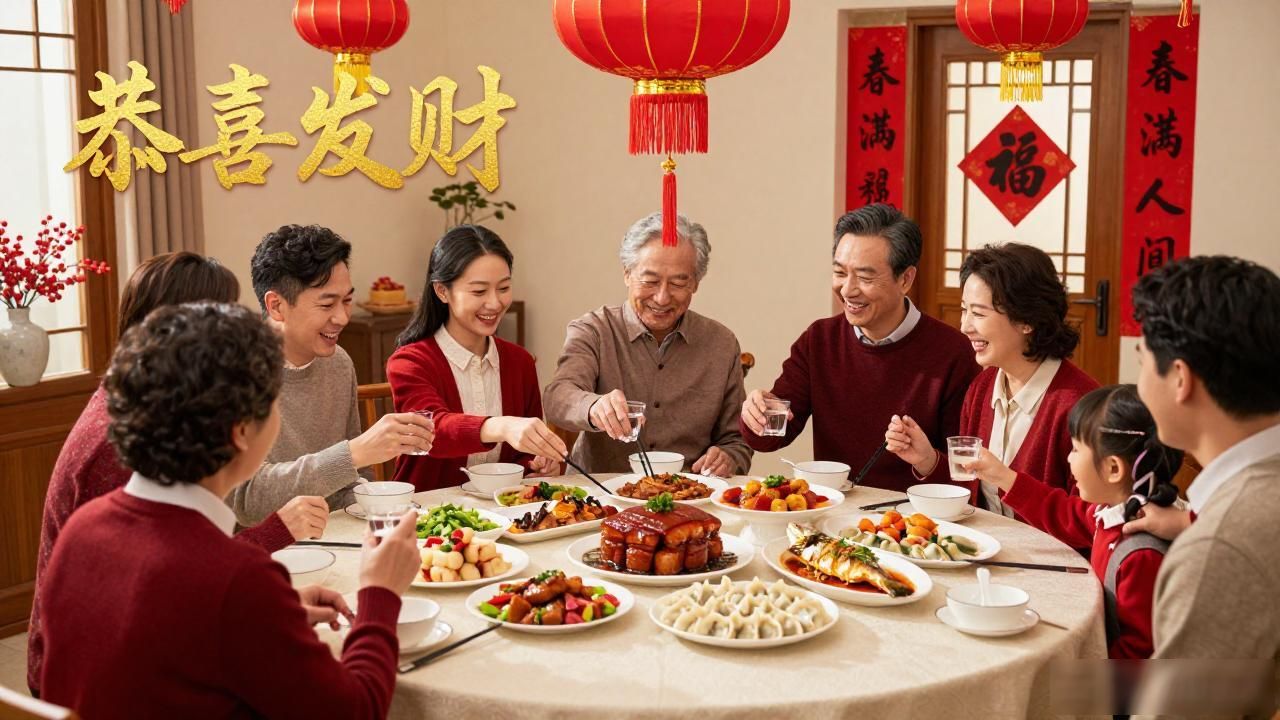
If you’re staying with a host family, you’ll be handed a red envelope, expected to say “gong xifacai,” and fed more food than you can manage. That’s not a performance for you. That’s Tuesday.
Which Chinese festival to celebrate
Skip New Year’s Eve if you’re introverted. The noise, the fireworks, and the three-day social marathon will test even the most patient Westerner. Go for Lantern Festival instead. It falls on the 15th day of the first lunar month, streets glow with paper lanterns, and the crowd is families with children, not drunk university friends. You can buy a tangyuan, a sticky rice ball, and just walk.
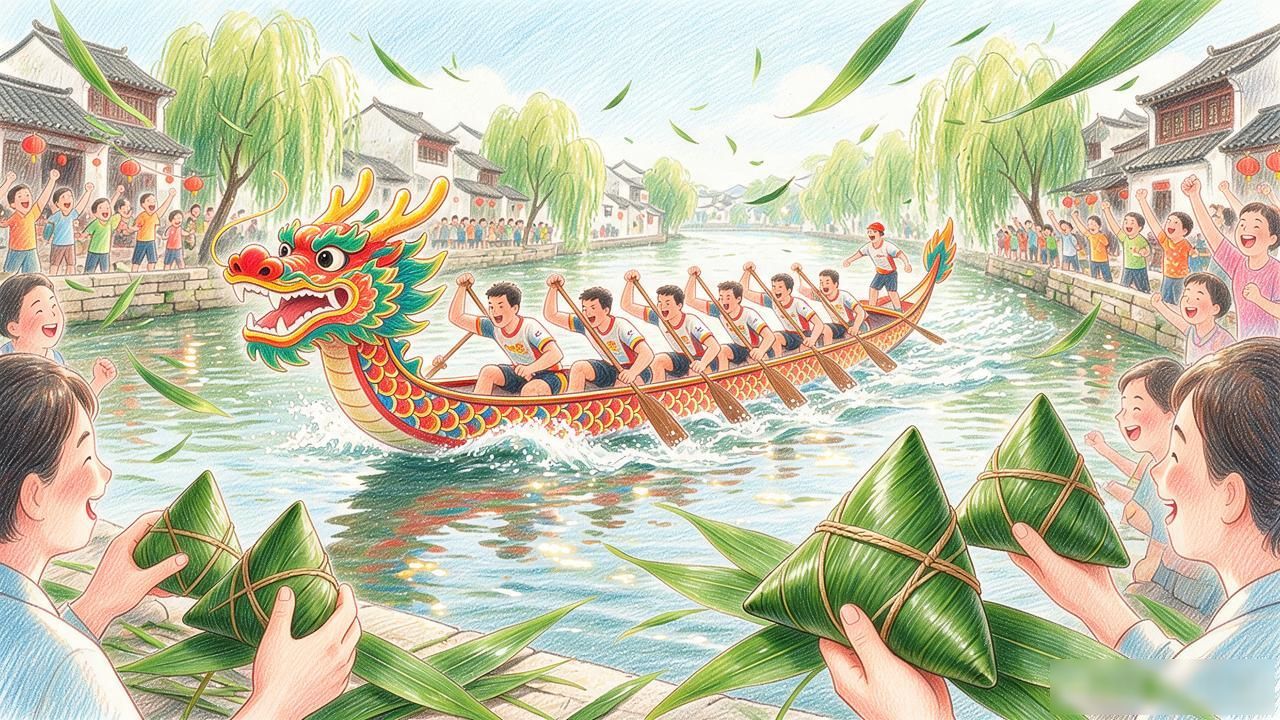
Or try Dragon Boat Festival in Wuxi or Guangzhou, where the river actually has professional racing teams. Watching a two-hour boat race while eating zongzi wrapped in bamboo leaves is the most straightforward experience you can get without needing to understand family politics.
You don’t need to master every ritual. Pick one,show up, eat the food, say the right greeting, and let the noise wash over you. That’s how everyone actually does it, Chinese or not.