
Navigating China’s entry rules can feel like decoding a cipher. Visa-free exemptions have expanded dramatically over the past few years, yet many travelers still walk into embassies when they shouldn’t have. Here is what actually qualifies under China visa free exceptions and who genuinely benefits from them.
Which China visa free exceptions apply

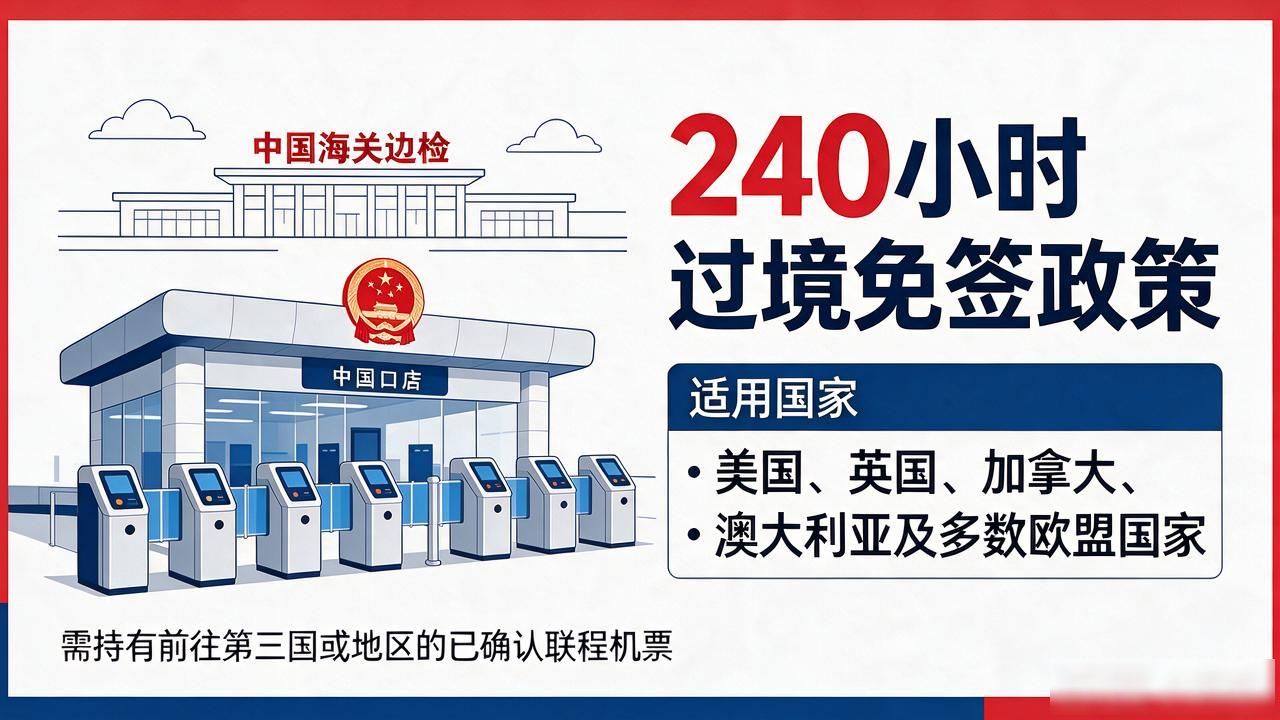
The most widely used pathway is the 240-hour transit visa exemption. Citizens from 54 countries—including the US, UK, Canada, Australia, and most of the EU—can pass through a Chinese port without a visa, provided they hold a confirmed onward ticket to a third country or region. This is not a tourist pass. You must genuinely be in transit, and your onward ticket must depart within 240 hours of arrival.
Separately, China now grants visa-free entry of up to 15 days to nationals from Japan, South Korea, Singapore,Germany, France, the Netherlands, Switzerland, and roughly two dozen other countries. No transit leg required. You can land, sightsee, shop, and fly home on a passport alone.
How long China visa free exceptions last
The transit exemption caps at 240 hours—exactly ten days. Miss your connecting flight and the clock resets only if you can prove the delay was outside your control and you rebook through the same port. Overstay by even one hour and you slide into illegal-residence territory, which carries fines and a possible three-year reentry ban.
The 15-day bilateral waiver has no built-in extension. Once those fifteen days expire, your legal status ends. If a cancelled flight strands you, contact the local exit-entry administration within 24 hours; they may grant a short humanitarian extension, but the decision is fully discretionary and far from guaranteed.
Always verify your specific nationality against the latest list before booking anything. Policies shift quarterly, and a country that qualified last spring may no longer be on the roster. A five-minute check on the MFA website or through your nearest Chinese embassy can save you a full day at a consulate counter.