
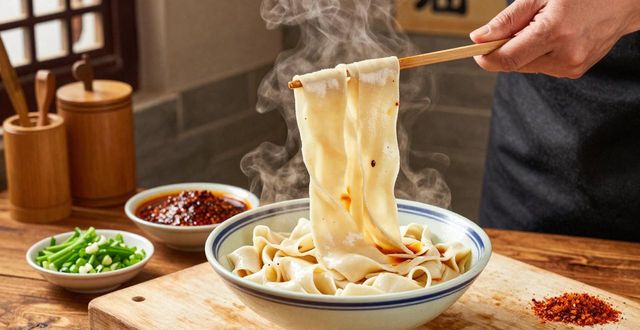
Xi’an, the ancient capital of China,is not only famous for the Terracotta Warriors but also for its incredible noodle culture. Over years of traveling and eating across Shaanxi province, I have discovered that Xi’an’s hand-pulled noodles are a world of their own. From wide belt-like noodles to spicy oil-splashed bowls, these dishes tell stories of the Silk Road and local traditions. In this guide, I will walk you through the most famous Xi’an noodles, how to eat them properly, where to find authentic bowls, and what makes their flavors so unforgettable.
What are the most famous Xi’an noodles

The undisputed king of Xi’an noodles is Biang Biang mian, named after the loud sound the dough makes when it slaps against the counter. These noodles are incredibly wide and thick, often reaching two to three fingers in width, with a chewy and elastic texture. Another iconic dish is Youpo che mian, or hot oil noodles, where noodles are topped with chili flakes, garlic, and scallions, then splashed with sizzling oil to release an irresistible aroma. Visitors should also try Qishan saozi mian, a sour and spicy soup noodle with minced pork, egg strips, and carrots. Each type offers a completely different experience, from dry tossed to brothy soups.
How to eat Xi’an noodles like a local
When you sit down at a noodle shop in Xi’an, you will notice that locals never rush. The proper way to enjoy Biang Biang noodles is to mix the toppings and sauce thoroughly before each bite, using chopsticks to lift the long strands high above the bowl. Most locals add a generous splash of dark vinegar and a spoonful of raw minced garlic to amplify the flavors. For soup noodles like saozi mian, you should sip the broth first to appreciate its sour and peppery kick, then eat the noodles together with the toppings. Always remember to ask for a bowl of noodle water – the boiling water used to cook noodles – as a warm digestive drink after the meal.
Where to find authentic Xi’an noodles
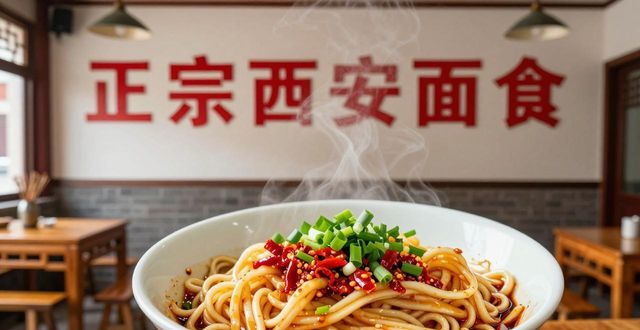
Skip the tourist-oriented restaurants near the Bell Tower and head to the small alleyways of Huimin Street and the surrounding residential neighborhoods. One legendary spot is Lao Sun Jia (Old Sun Family), which has been hand-pulling noodles for over thirty years using a family recipe. Another hidden gem is a tiny stall called Zhang Ji Biang Biang Mian on Xiyangshi Street, where the owner makes every noodle to order and charges only 15 yuan per bowl. For a more convenient option, the chain restaurant “Xiang Zi Mian” offers consistently good quality across multiple locations. However, the best bowls are always found at places with plastic stools, no English menu, and a long line of local workers at lunchtime.
Why Xi’an noodles have a unique flavor
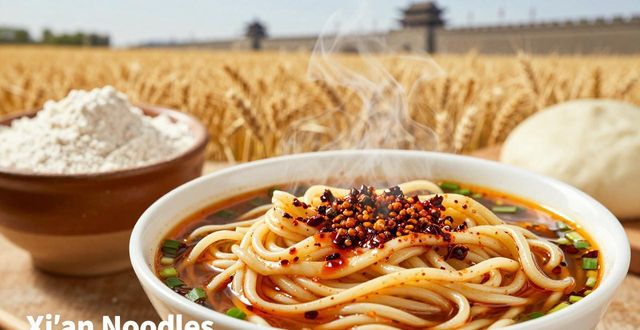
The secret lies in the combination of three elements: the wheat flour, the chili oil, and the fermentation technique. Xi’an sits in the fertile Guanzhong Plain, where local wheat produces flour with high gluten content, resulting in noodles that are springy and never mushy. The chili oil, called you la zi, uses Qinjiao peppers from Shaanxi – they are less spicy but more aromatic than other Chinese chilies, with a smoky and nutty profile. Many noodle shops also age their sour vinegar in clay jars for months, giving saozi mian its signature tangy depth. Furthermore, the traditional hand-pulling process aligns the gluten strands in a way that machines cannot replicate, creating a layered texture that absorbs sauce beautifully.
Have you ever tried Xi’an noodles, and which one would you rush to taste first – the belt-like Biang Biang noodles or the sour soup saozi mian? Share your thoughts and noodle stories in the comments below, and don’t forget to hit like and share this guide with fellow food adventurers.