
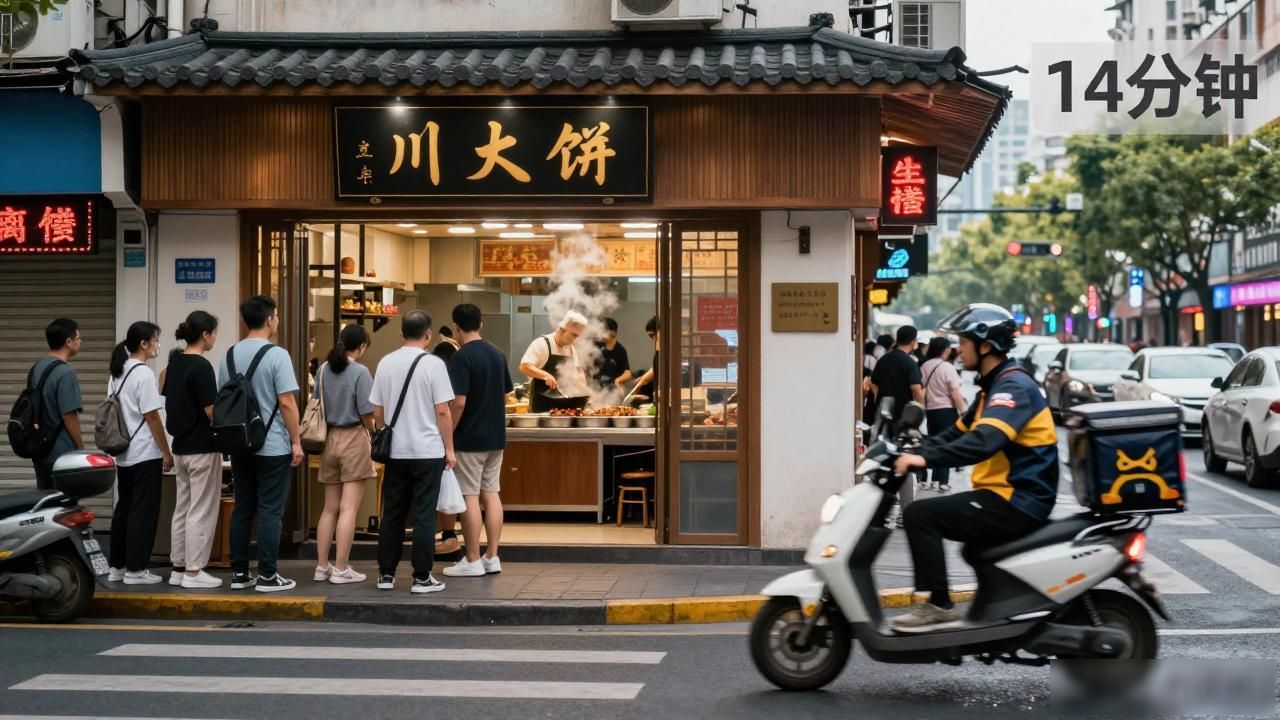
I used to think food delivery in China was just another convenience, something you do when you are too lazy to cook. That assumption shattered the moment I moved to Shanghai five years ago. The local system is not merely about ordering a bowl of noodles; it is a finely tuned machine that feeds an entire metropolis with shocking speed and precision. My perspective shifted from viewing it as a tool to respecting it as infrastructure. Every interaction has taught me something about urban logistics, cultural habits, and the sheer scale of the digital economy here. The initial shock of seeing a rider arrive in twelve minutes became the new normal, reshaping how I manage my evenings and social commitments.
Why is Chinese food delivery so fast

The speed comes from a three-tier model that most people outside Asia find hard to visualize. Riders are not employed by a single app; they are part of a vast freelance ecosystem that pools demand. In Shanghai, I once timed a run from a busy Sichuan restaurant to my apartment: 14 minutes. The key is density. High population density means short distance between kitchens and consumers. When you order, the algorithm matches you with the nearest available rider, often one who is already nearby. There is no single chain of command, but the coordination feels eerily synchronized. I watch riders swarm around a food park at 7 PM, each carrying insulated boxes, moving with a purpose that borders on choreography. This efficiency is the backbone of why the service feels magical to a foreigner.
What makes the app experience unique
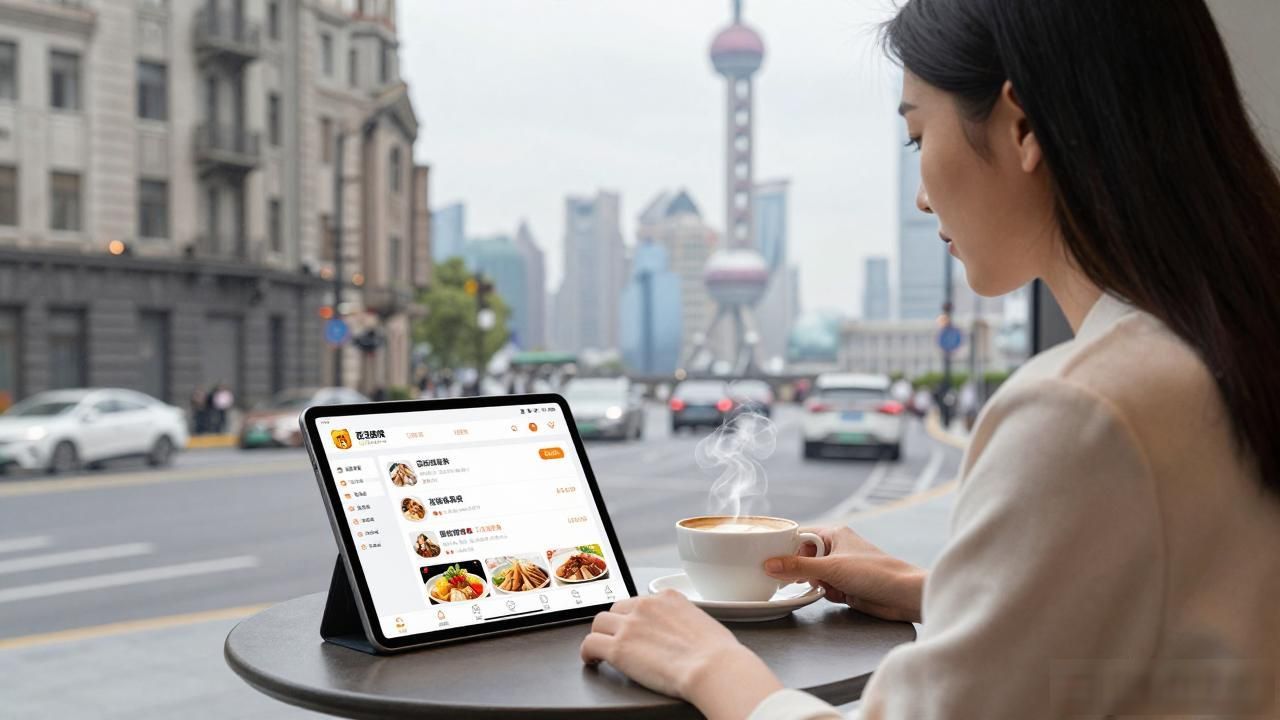
The user interface is deceptively simple but layered with social features. I recall being hesitant to use the local version of the app, thinking it would be too complex. It was the opposite. The rating system is brutal yet transparent. I read hundreds of reviews before committing to a new shop. One mention of “excessively oily” or “slow packaging” can save you from a bad meal. The integration of social media adds another layer. I often share my order screenshots with friends, creating a communal vibe that foreign delivery services rarely achieve. The apps also handle tipping and rider ratings seamlessly. I once tipped a rider in heavy rain and received a handwritten note of thanks tucked inside the bag. That personal touch is rare in the US or Europe. The system builds trust through continuous feedback loops.
How to eat like a local resident
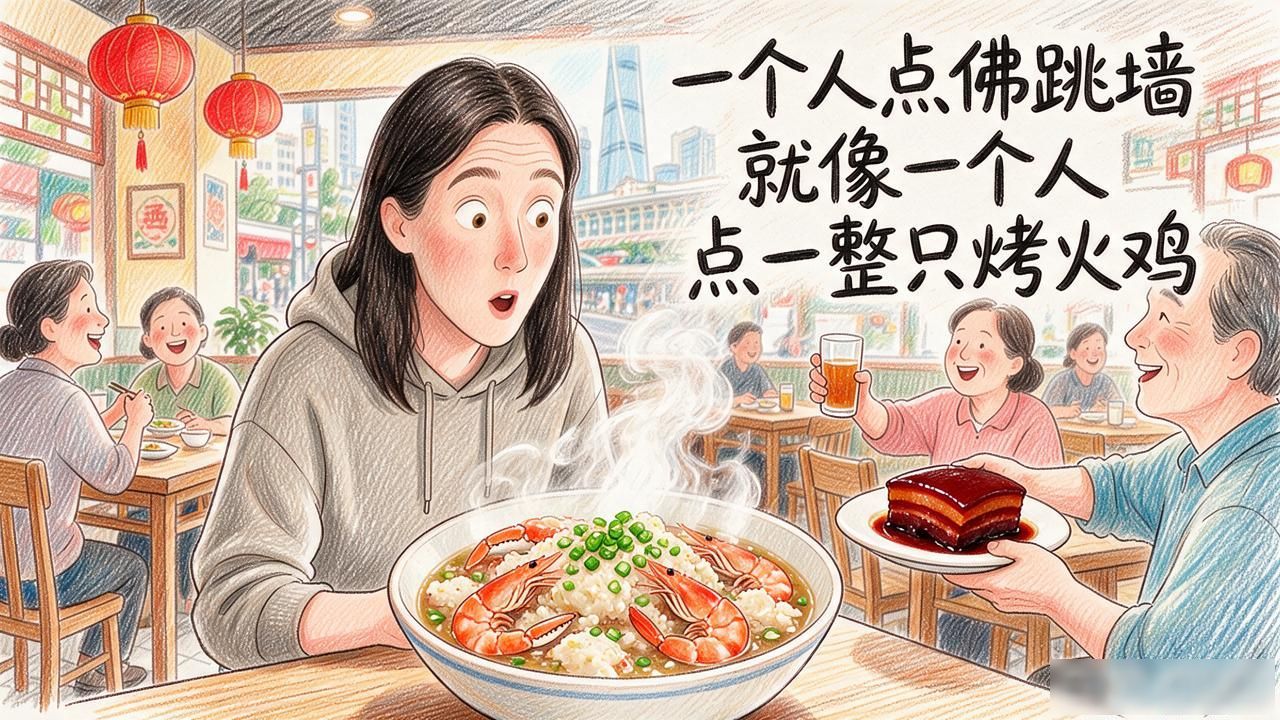
Ordering is easy, but eating with the right etiquette is where foreigners often stumble. I learned that certain dishes are made for sharing, not individual portions. A solo eater ordering a single “Buddha Jumps Over the Wall” is like ordering a whole roast turkey for one. I now order “small plates” or “light meals” which are popular choices for solo diners. Payment is exclusively digital; carrying cash is a lost cause. The app handles everything, from ordering to payment,in one tap. I also learned to check the rider’s estimated arrival time against my own schedule. Missing a delivery window is rare, but if it happens, the app allows you to extend it without penalty. This flexibility shows the system is designed for human error, not just perfect efficiency.
The journey from a skeptical expat to a daily user has given me a deeper understanding of urban life. It is not just about getting food; it is about connecting with the city’s pulse. I now see the riders as unsung heroes of the urban landscape. They move through traffic, rain, and rush hour to ensure we eat on time. My relationship with Chinese food delivery is now one of respect and reliance. It has reshaped my daily routine more than I ever expected. The convenience is real, but so is the cultural depth behind every tap on the screen.