
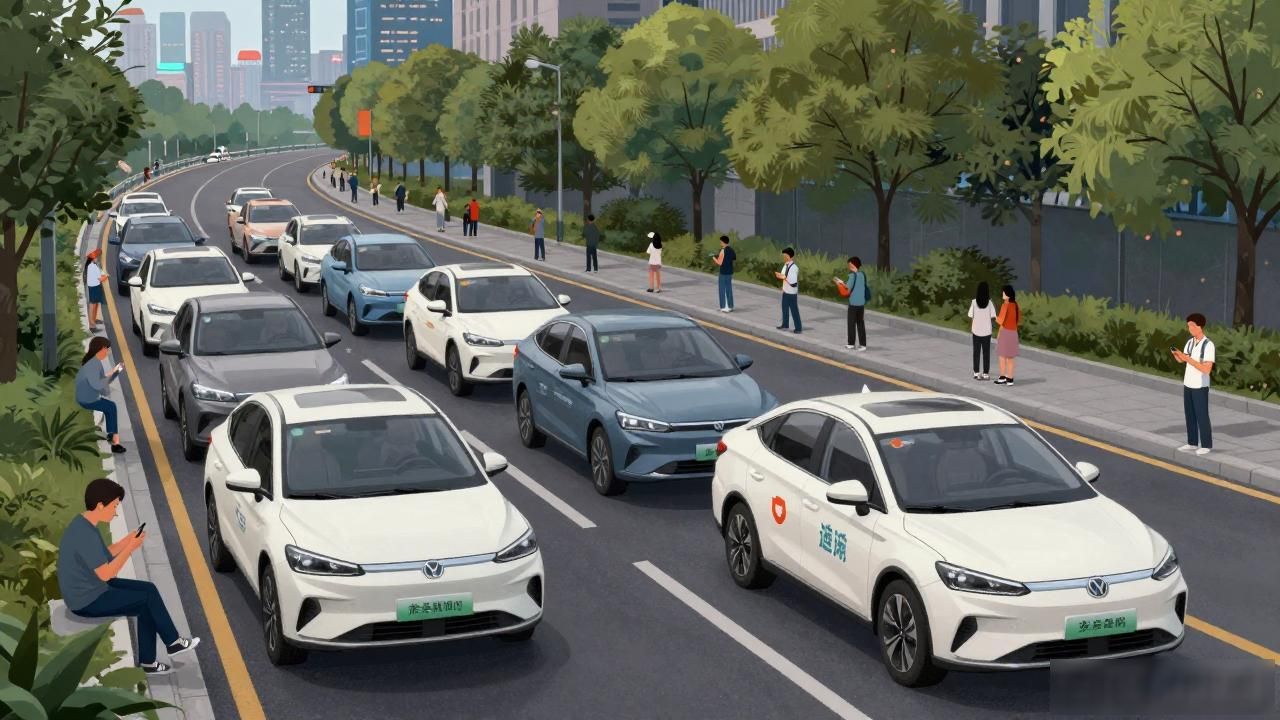
Navigating urban China has always been straightforward, but recent changes have forced many to look elsewhere. The dominance of a single giant has waned, leaving travelers, residents, and businesses searching for reliable options. This shift isn’t just about convenience; it’s about ensuring access to safe, consistent ride-hailing services across the country. The market has fragmented into a diverse ecosystem, offering different rates, vehicle types, and service levels. Understanding these options is crucial for anyone relying on digital transport in major Chinese cities.
Which app didi alternatives work best

The landscape has changed dramatically. Many users are now switching to aggregated platforms that pull in rides from multiple smaller operators. Aggregators offer a wider net, capturing drivers who left the main platform. This often means shorter wait times in suburban areas where dedicated fleets are scarce. The user experience is slightly more complex, as you are hailing a mix of car types. Yet, the convenience outweighs the minor confusion for most daily commuters.
Pricing dynamics are shifting too. With more players in the game, competition is fierce. Dynamic surge pricing, once a hallmark of the monopoly era, is becoming less predictable. Some smaller platforms offer fixed rates, which appeals to budget-conscious travelers. Loyal driver networks provide consistent service quality, even if the app interface varies. Finding the right balance between cost and reliability is a daily exercise for many riders.
Do I need didi alternatives for safety
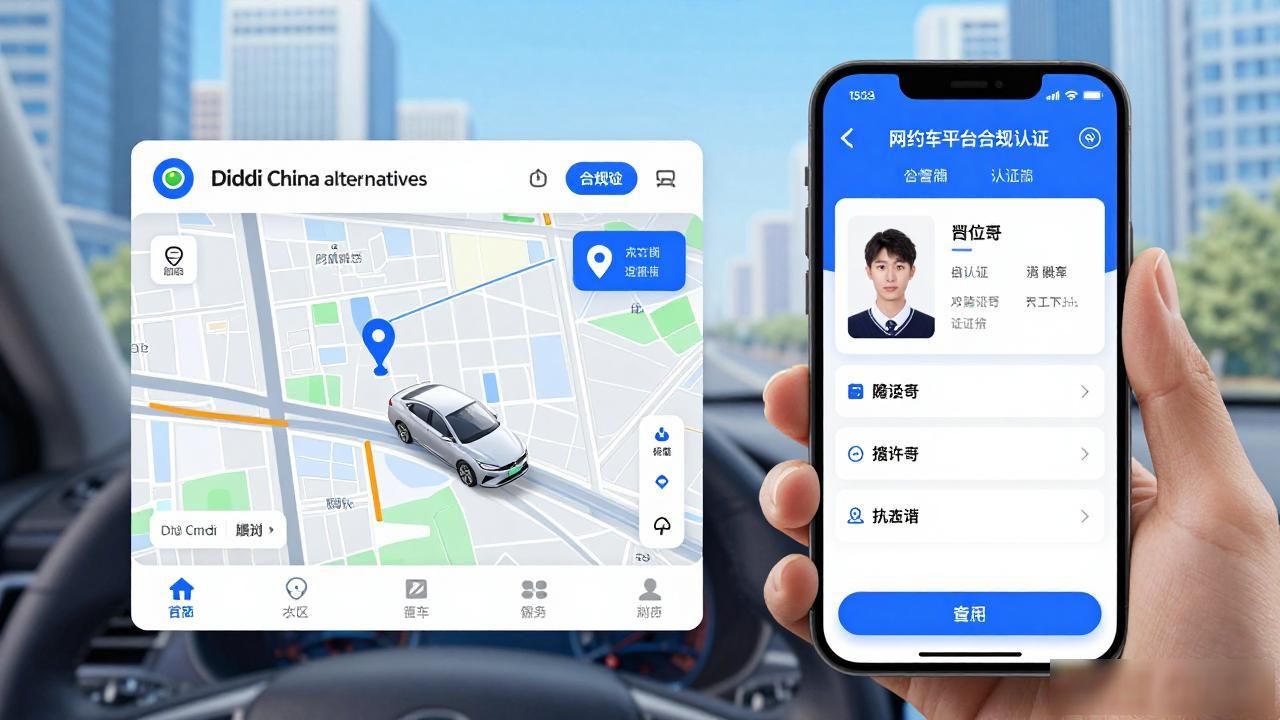
Safety remains the paramount concern for every user. Regulatory changes in China have tightened oversight on driver verification. Apps are now required to display real-time tracking and emergency contacts. However, the sheer volume of smaller operators makes individual platform policies vary. Reading the fine print on insurance and background checks is essential. Users report that aggregated apps sometimes show less detailed driver profiles. This gap can be uncomfortable, especially during late-night rides.
The technology behind these services is robust. GPS tracking and AI routing are standard. Yet, human factors still play a role. Some local platforms prioritize community drivers, which can mean less formal vetting. Counter this by sticking to well-known aggregator brands or those with strong partnerships with certified ride-sharing firms. Always share your trip details with a friend or family member. A quick check of the car’s license plate against the app entry is a simple, effective habit.
How to choose your new ride app
Selecting the right tool depends on your specific travel needs. Frequent urban commutes might benefit from apps with fast matching algorithms. These are often operated by large fleet owners who prioritize speed. For occasional use or long-distance trips, flexibility in vehicle choice matters. Sedans for business, SUVs for groups,and even bike-sharing integrations are now common features. Look for apps that integrate seamlessly with your digital wallet. A frictionless payment process saves time and hassle at the end of every journey.
Check for local discounts and seasonal promos. Smaller platforms often compete with heavy subsidies to attract users. This can make the ride cheaper than the major competitors. Read online reviews specifically for your city, as service quality can differ vastly between Shanghai and Chengdu. Prioritize apps with responsive customer support. When things go wrong, a human agent who can actually help is invaluable. Keep two or three apps installed. This redundancy ensures you are never left waiting on the curb.
Great weblog here! Additionally your website loads up
very fast! What web host are you the use of? Can I am getting your associate hyperlink for your host?
I desire my web site loaded up as quickly as yours lol