

The giant panda holds a special place in Chinese culture, far beyond its role as a conservation icon. While modern people know the animal for its cute appearance and protected status, its roots in folklore are deeper. It represents peace,strength, and harmony with nature. For many, it is more than a pet or a zoo animal; it is a spirit of resilience. Understanding this mythological layer helps clarify why the panda is so cherished in China.
Why do people believe panda brings good fortune

Many locals associate the black and white markings with the yin-yang balance. This connection suggests that a panda brings harmony to the household. Families often keep panda figurines in their living rooms to ward off negative energy. The animal’s gentle demeanor also links it to tranquility. In rural stories, a panda sighting near a village is seen as an omen of a bountiful harvest. This belief persists even in urban areas where people buy panda charms for children’s safe travels.
The white fur is also interpreted as purity. It cleanses the air of ill intent. During the Lunar New Year, some families display panda art to invite prosperity for the coming year. These customs are not just decorative; they reflect a deep-seated trust in the animal’s spiritual power. People feel that the panda’s calm presence stabilizes the household’s emotional climate.
How panda tales vary across different regions
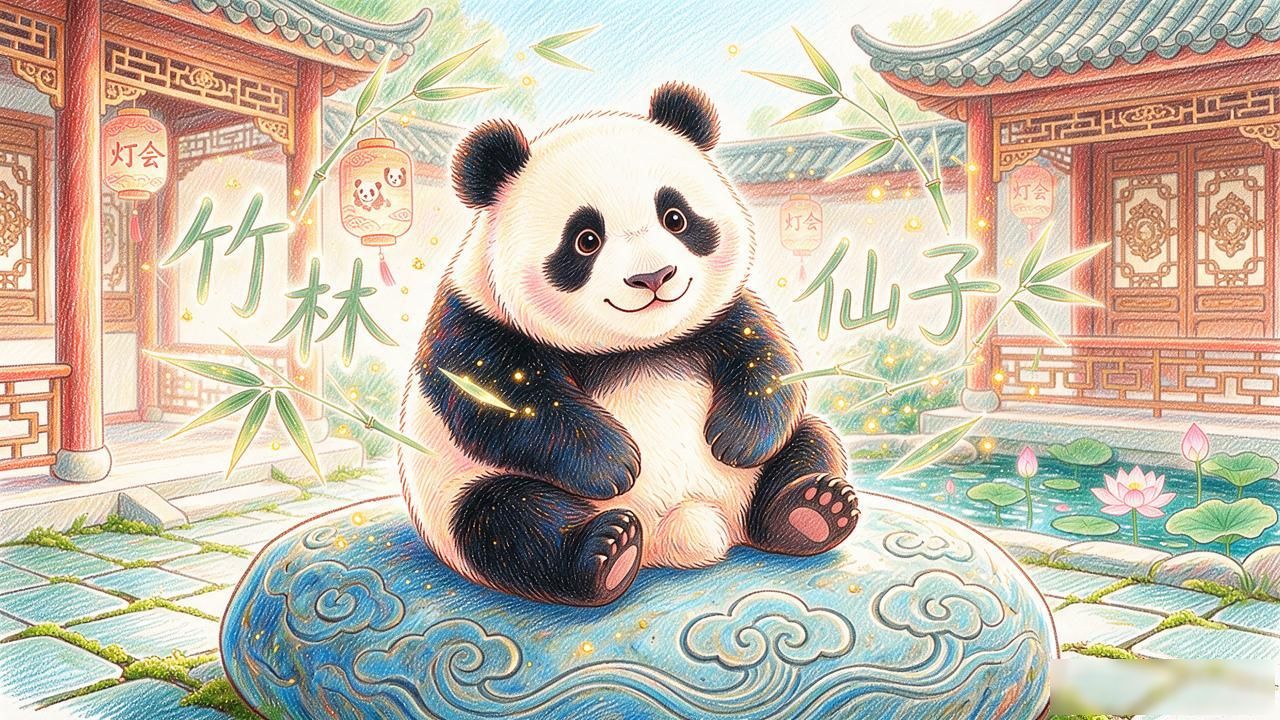
In the Sichuan province, legends speak of the panda as a mountain guardian. These stories describe it as a keeper of the ancient forests. It protects the bamboo groves from greedy spirits. Farmers in these areas have long respected the bamboo that feeds the panda. They avoid cutting too much, fearing the loss of the guardian’s home. This ecological wisdom is embedded in the folklore.
In the northeast, the tales shift. The panda is seen as a bridge between the human and animal worlds. Shamanic stories often feature the panda in rituals. It helps spirits travel smoothly. This variation shows how the animal adapts to local needs. The core idea of protection remains, but the specific roles change. It is a flexible symbol that absorbs local beliefs.
Is panda folklore still relevant today
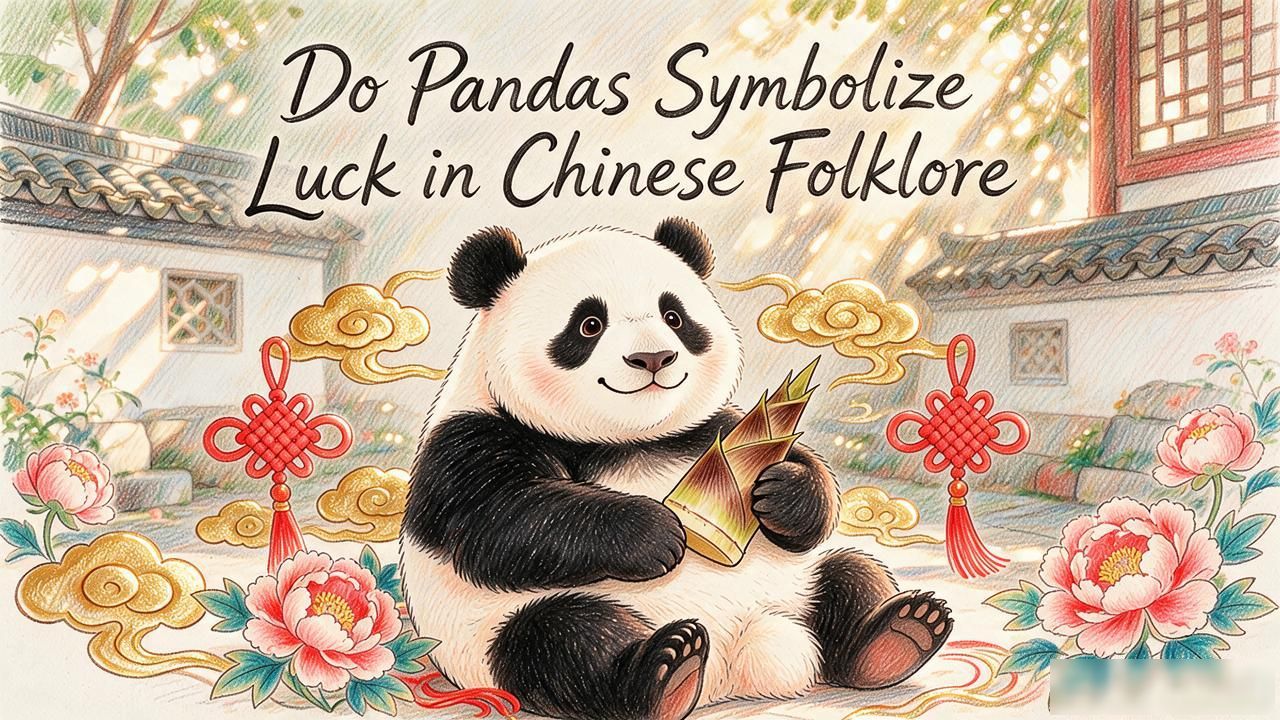
Modern conservation efforts have changed the panda’s image. It is now a global ambassador for nature. Yet, the old beliefs still linger. When visitors see a panda at a zoo, they often make quiet wishes. This subtle ritual connects them to the ancestral view. The animal remains a symbol of hope for a balanced world. As people become more eco-aware, the panda’s role in folklore gains new meaning. It reminds us that humans and nature must coexist peacefully. The story of the panda continues to evolve with our changing relationship to the planet.