
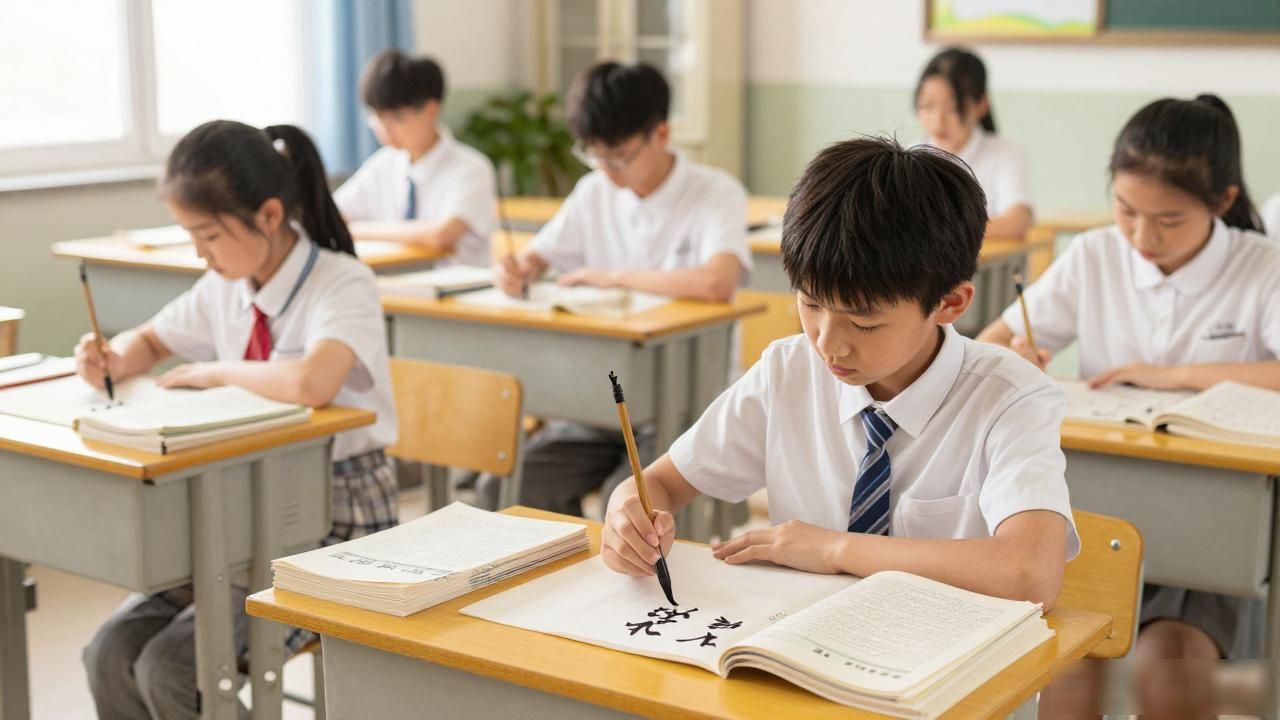
Educational experiences rooted in Chinese culture often feel abstract to Western learners. While textbooks provide facts, they rarely convey the texture of tradition. The key lies in selecting activities that bridge the gap between observation and participation. This approach transforms passive studying into active engagement,making history and philosophy tangible for those outside the cultural context.
Why Immersion Beats Memorization

Many students struggle with rote learning of dynasties and poets. Hands-on immersion solves this by anchoring knowledge in sensory experience. When a learner physically practices calligraphy, the stroke order becomes muscle memory rather than just visual data. This physicality reduces cognitive load and increases retention rates significantly.
The connection between movement and meaning is profound. For instance, folding paper lanterns teaches geometry through art. Learners grasp structural principles without solving equations. Such activities create emotional hooks that factual lists cannot match. The joy of creation makes the cultural context memorable.
Best Activities for Beginners
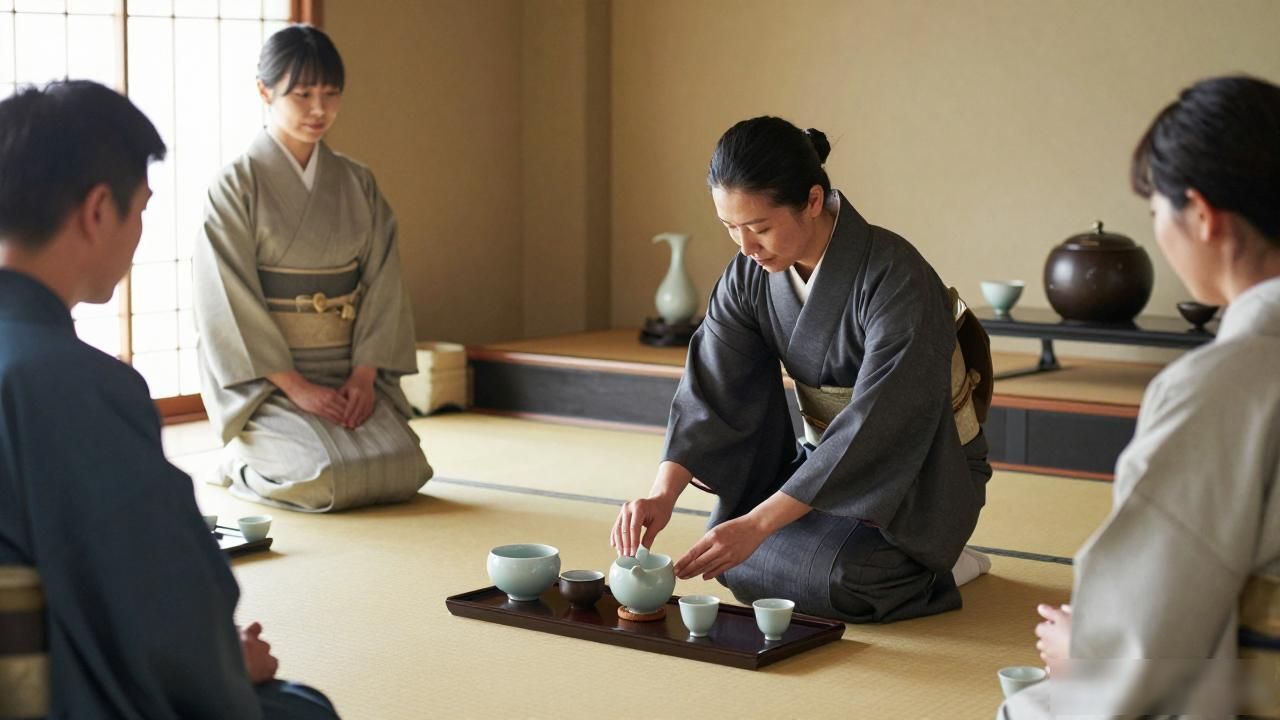
Start with low-barrier entry points like tea ceremony basics. This ritual is less about brewing and more about mindfulness and respect. Participants learn social cues through the precise movements of serving and receiving. It is a gentle introduction to hierarchical relationships in traditional settings.
Next, explore local festival crafts. Making dumplings or zongzi connects food to seasonal beliefs. Culinary traditions carry embedded cultural narratives that explain family values. Learners taste the history literally. These sessions are often collaborative, forcing interaction in a low-pressure environment that encourages trial and error.
Finding Quality Providers
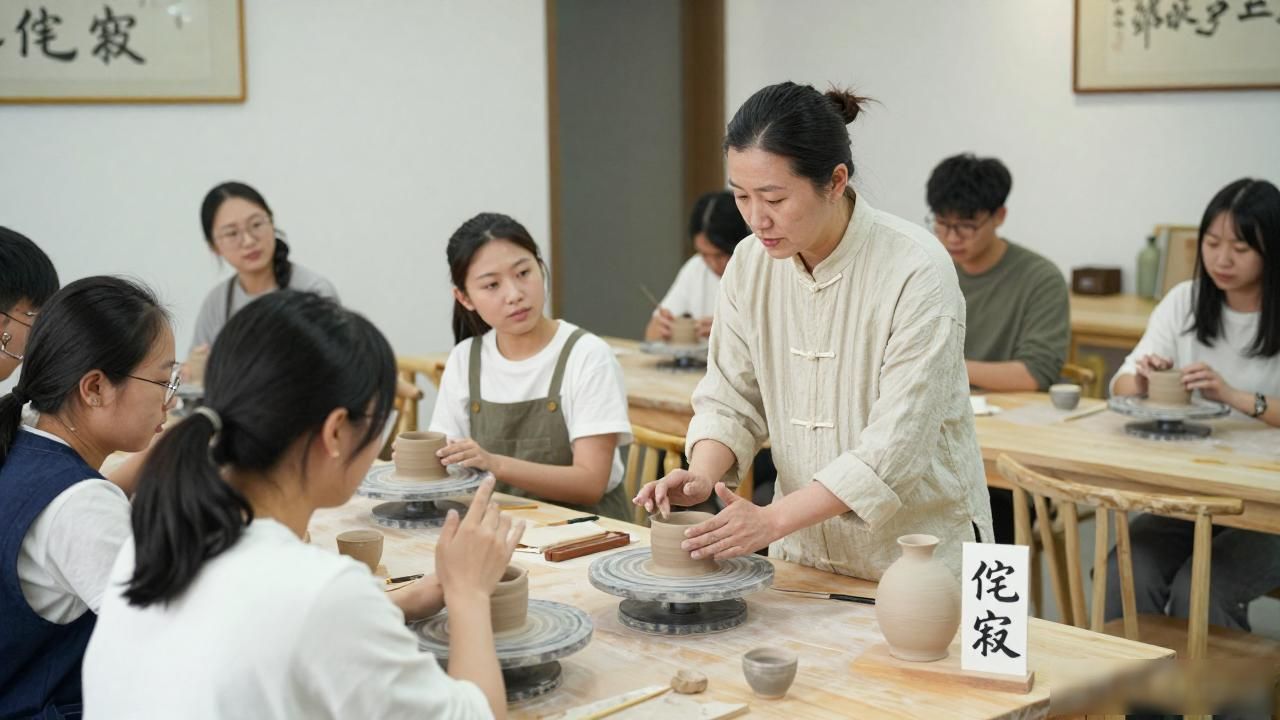
Not all workshops offer the same depth. Look for instructors who can articulate the “why” behind the “what.” A good educator explains the philosophical underpinning of a practice. For example, a pottery class should discuss how imperfection aligns with Wabi-Sabi or related Chinese aesthetic concepts.
Check for balanced curricula. Diverse perspectives prevent stereotypes from taking root. Ensure the program includes modern interpretations alongside historical ones. This nuance helps learners avoid viewing Chinese culture as a static relic. It presents it as a living, evolving system that continues to shape contemporary society.