
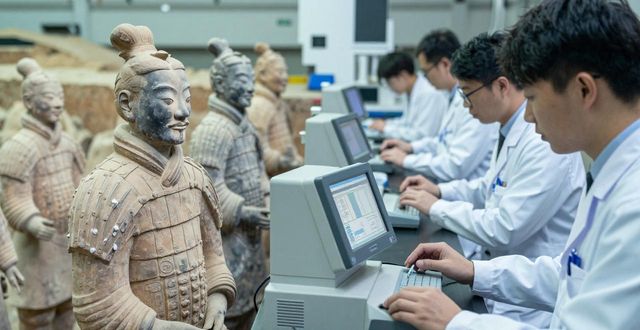
The Terracotta Army, buried for over two millennia, faces constant threats from environmental changes, microorganisms, and the inevitable passage of time. Protecting these ancient warriors is not just about preventing physical damage—it requires a deep understanding of chemistry,biology, and archaeology. In this article, we will explore the most pressing challenges and the cutting-edge solutions that safeguard this world-famous treasure.
Why does Terracotta Army protection focus on humidity control

Humidity is the silent enemy of the Terracotta Warriors. When the figures were first excavated in the 1970s, their painted surfaces began to curl and flake within minutes of exposure to the dry air of the museum. Scientists discovered that the original paint layers contained a natural lacquer that absorbs moisture from the air, causing it to expand and then shrink rapidly. To prevent this, the museum now maintains a strict relative humidity of around 45% to 55% in the display pits. Special sensors monitor changes every hour, and air conditioning systems adjust automatically. This stable environment has dramatically slowed down the decay process, allowing visitors to see the warriors in far better condition than just a few decades ago.
What are the main threats to the painted surfaces
The most heartbreaking loss during early excavations was the vibrant colors that once covered every warrior. The red, green, blue, and purple pigments were applied over a layer of East Asian lacquer, which becomes brittle and peels off when dried too quickly. Today, conservators use a technique called “PEG (polyethylene glycol) consolidation” to replace the water in the lacquer with a stable wax-like substance. They also apply a reversible acrylic resin to hold the pigments in place. In laboratory tests, these methods have preserved 80% of the original paint on newly excavated fragments. For example, the “purple warrior” discovered in 2012 kept its unique barium copper silicate color because scientists treated it on-site within two hours of exposure.
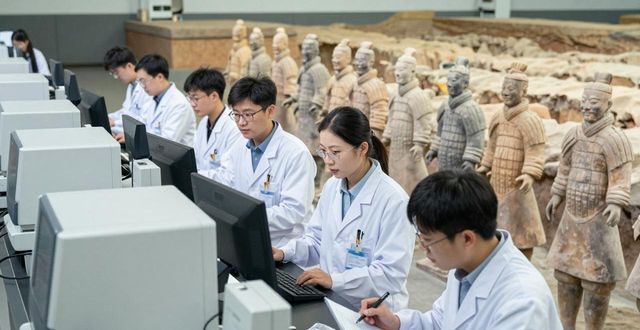
How is modern technology revolutionizing Terracotta Army protection
Beyond traditional chemistry, advanced imaging and microbiology are playing a growing role. Researchers from the Shaanxi Provincial Institute of Archaeology have used portable X-ray fluorescence spectrometers to map the elemental composition of each warrior without taking any samples. This helps them identify corrosion spots before they become visible to the naked eye. Meanwhile, DNA sequencing has revealed that certain molds and bacteria thrive on the burial soil still attached to the warriors. By spraying a non-toxic, biodegradable biocide derived from thyme oil, conservators can eliminate these microbes without harming the clay. Drones equipped with thermal cameras also fly through the pits at night to detect any micro-cracks in the structure, allowing repairs long before a warrior’s arm or head could fall.
What every visitor can do to support conservation efforts
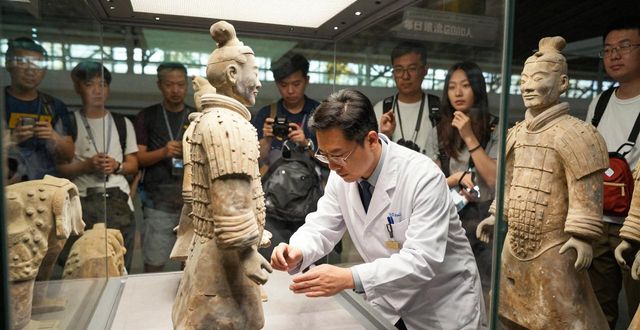
You might think that protection work is only for scientists, but tourists also play a crucial role. The carbon dioxide and body heat from millions of visitors each year create micro-climates that stress the warriors. That is why the museum has installed glass barriers and limits the number of people in Pit No. 1 to 1,200 per hour. When you visit, please do not touch any surface, stay behind the ropes, and never use flash photography—the intense light can accelerate pigment fading. Your small actions help keep the army intact for future generations. The museum also runs a “Adopt a Warrior” program where donations directly fund the restoration of specific figures, and donors receive regular scientific reports on their warrior’s condition.
After learning about these incredible preservation methods, here is a question for you: If you could choose one new technology—from nanotech to AI—to help protect the Terracotta Army, what would it be and why? Share your ideas in the comments below, and do not forget to like and share this article to spread awareness about protecting our shared heritage.