
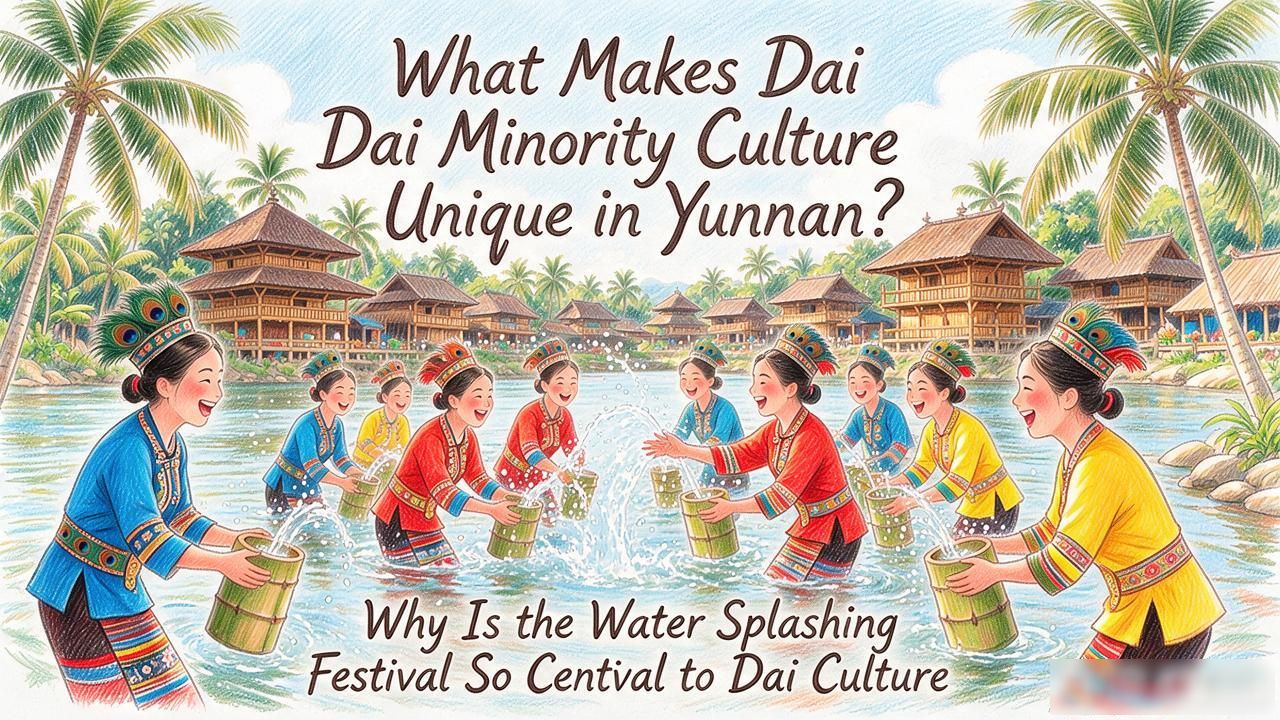
Deep in the tropical south of China, where the air is thick with the scent of frangipani and bamboo groves sways in a warm breeze, lives the Dai people — one of China’s most visually striking and culturally distinct ethnic groups. Their world feels worlds apart from the fast-paced cities of eastern China. Think golden pagodas gleaming under a tropical sun, women in tight skirts and cropped jackets gliding through morning markets, and the sound of drums echoing across rivers during festivals. The Dai minority culture is not just a relic of the past; it is a living, breathing tradition that has survived centuries while quietly absorbing influences from Thailand, Myanmar, and India. To understand the Dai is to understand a people who have built their identity around water, Buddhism, and an unshaken connection to the rainforest that surrounds them.

Why Is the Water Splashing Festival So Central to Dai Culture
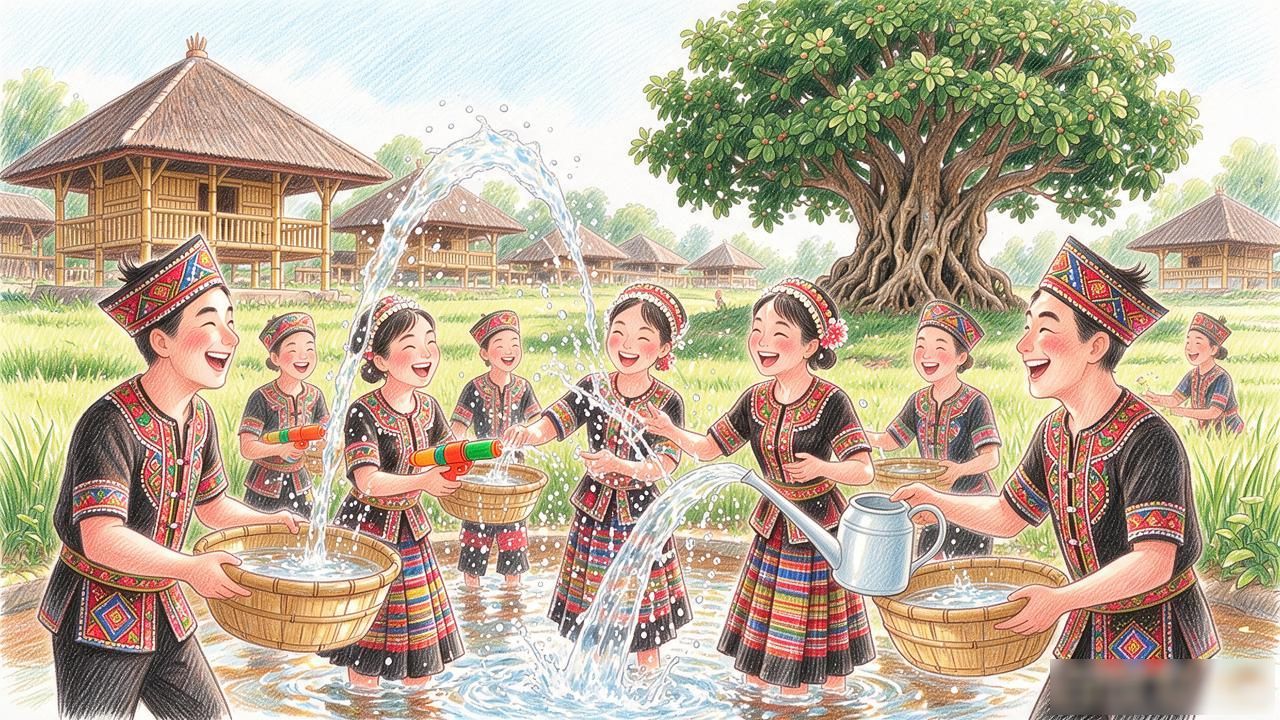
The Water Splashing Festival, or Songkran in some regions, is the heartbeat of Dai cultural expression. Occurring around mid-April, it coincides with the Dai New Year and marks the end of the dry season. What outsiders see as a giant water fight is, in truth, a deeply symbolic ritual. Water represents purity, the washing away of misfortune,and the blessing of good fortune for the year ahead. Elders pour scented water over the hands of juniors in quiet ceremony, while friends and strangers alike drench each other in joyous celebration. The festival draws thousands of visitors to places like Jinghong and Pu’er every year, turning entire streets into stages for drumming, dancing, and splash warfare. For the Dai, it is not merely entertainment — it is a sacred renewal of community bonds and spiritual cleansing. Beyond the water, the festival includes dragon boat races, peacock dances, and the lighting of sky lanterns, all of which reflect a culture that values harmony between humans, nature, and the divine.
How Does Dai Buddhist Tradition Shape Daily Life and Architecture
Theravada Buddhism is woven into the very fabric of Dai society, shaping everything from the rhythm of daily prayer to the skyline of Dai villages. Unlike the Mahayana Buddhism prevalent in much of China, the Dai follow the older Theravada path, bringing with it a distinct architectural aesthetic. Stupa-like temples with their curved, lotus-shaped roofs dot the countryside, and young boys traditionally spend time as novice monks, a practice that strengthens both personal discipline and community cohesion. Daily life revolves around the temple — alms-giving in the early morning, meditation sessions, and festivals timed to the Buddhist calendar. The Dai also revere the peacock, considered a sacred bird and a symbol of auspiciousness, which is why peacock dance remains one of their most beloved artistic expressions. Their stilt houses, built high off the ground to avoid moisture and wild animals, reflect both practical wisdom and an aesthetic sensibility deeply tied to the surrounding rainforest. For travelers, witnessing a Dai village at dawn — with monks in saffron robes walking silently through misty pathways — is an experience that lingers far longer than any checklist attraction ever could.