

If you are planning a trip to southern China, Shenzhen is probably already on your radar. This city is not just a tech hub—it is a place where modern architecture, beachside parks, and a vibrant food scene come together. I have spent years exploring this city, and I can tell you that most visitors underestimate how much there is to see. This guide will help you figure out what to do, where to eat, and how to get around without wasting time.
What is Shenzhen best known for

Most people first hear about Shenzhen because of companies like Huawei and Tencent, but the city itself is far more interesting than its business reputation. The skyline is stunning, especially around Futian and Nanshan, and the city has invested heavily in public spaces. Window of the World and Splendid China are popular theme parks, but honestly, the real charm is in the everyday neighborhoods.
If you like nature, you should not miss the coastal boardwalk in Shenzhen Bay Park. It is a long, flat path where locals jog, fly kites, and watch the sunset over the water. Another spot worth your time is Lianhua Hill Park, which gives you a great view of the central business district from above. These places are free, easy to reach, and far less crowded than the theme parks.
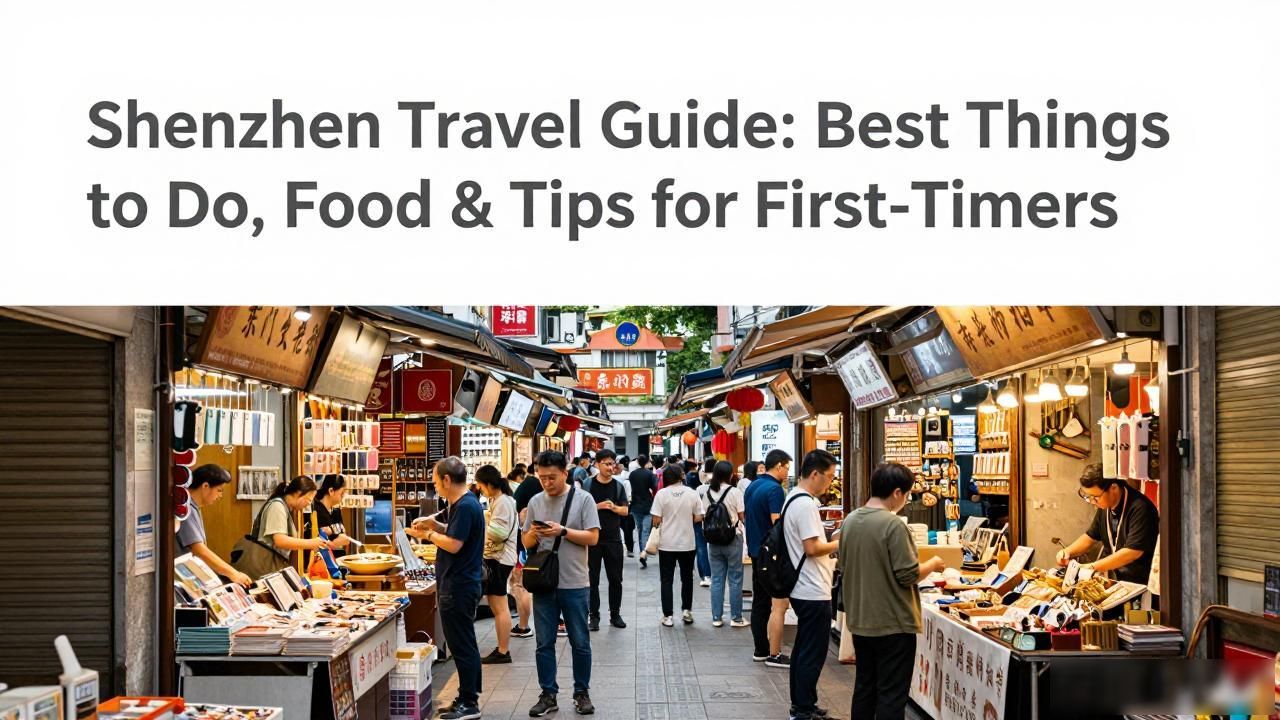
For a deeper look at local life, walk through the older areas like Dongmen. It is chaotic, loud, and full of small shops selling everything from phone cases to dried seafood. It is not a polished tourist attraction, but that is exactly why it feels authentic. You will see how ordinary people live here, and that is something no museum can show you.
What should I eat in Shenzhen
Shenzhen is a food city, but it is not known for one single dish. Because almost everyone here is from somewhere else, you can find excellent food from all over China. Cantonese dim sum is a good place to start, and you will find plenty of restaurants serving fresh shrimp dumplings and barbecue pork buns. Go early in the morning, and do not be afraid to order more than you think you need.
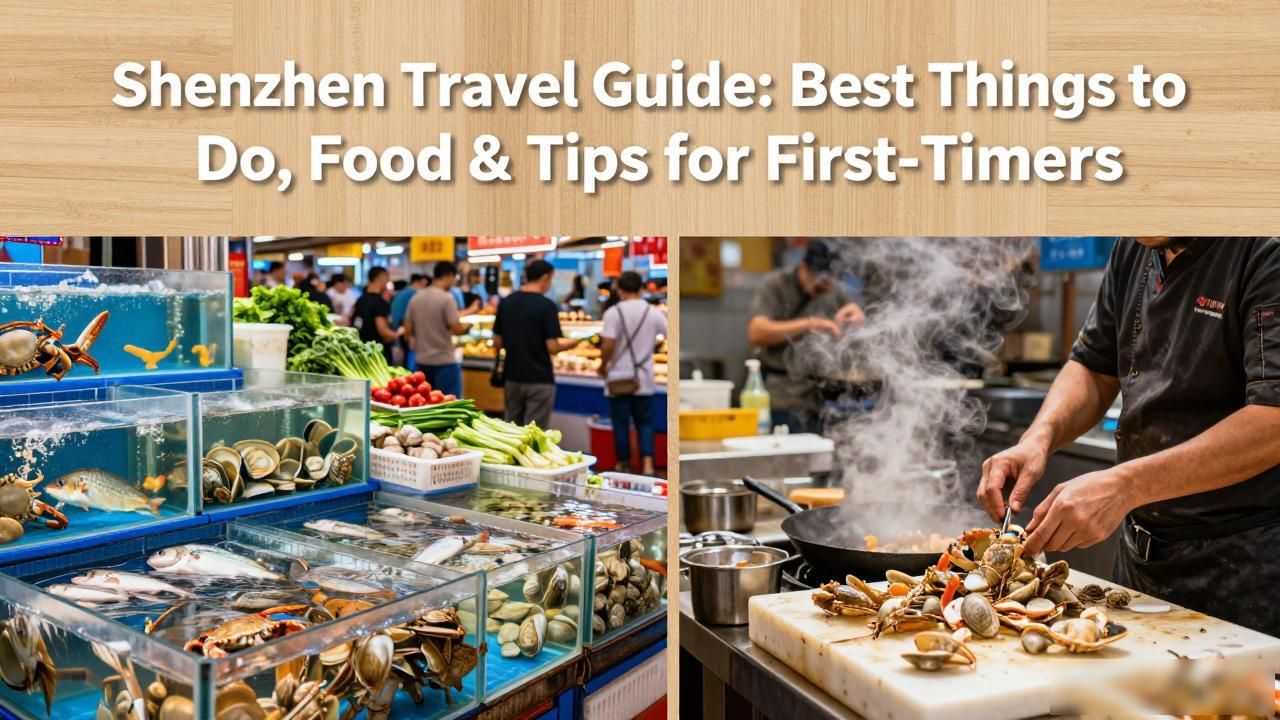
Seafood is another highlight, especially in the coastal areas like Shekou. You can pick live fish, crabs, and clams from tanks, and the restaurant will cook them the way you want. It is not cheap,but it is a memorable experience. If you are on a budget, look for small noodle shops or street stalls that serve wonton soup or braised beef noodles. A filling meal can cost less than five dollars.
One thing I always tell visitors is to try the local milk tea culture. Shenzhen has hundreds of tea shops, and the drinks are quite different from what you get overseas. Order a fruit tea with chewy tapioca pearls, and you will understand why young people queue up for these every day. It is refreshing, especially in the hot summer months, and it is a simple pleasure that sums up the city’s energy.