
China‘s ancient towns carry centuries of living history in their winding alleys and carved wooden façades. Walking through places like Pingyao, Lijiang, or Wuzhen feels like stepping into a different era — but these are not museum pieces frozen in time. They are neighborhoods where modern life continues alongside centuries-old building traditions. For travelers and architecture lovers, understanding what makes these structures special transforms a casual visit into a meaningful experience.
What Defines Traditional Chinese Old Town Architecture
Chinese old town architecture follows principles rooted in Feng Shui philosophy and Confucian social order. Buildings were designed not just for shelter but to harmonize with nature and reflect family hierarchy. Courtyard houses, called Siheyuan in northern China, organize rooms around a central open space where families gather. In southern water towns, homes sit along canals with steeply pitched roofs that shed heavy rainfall efficiently.

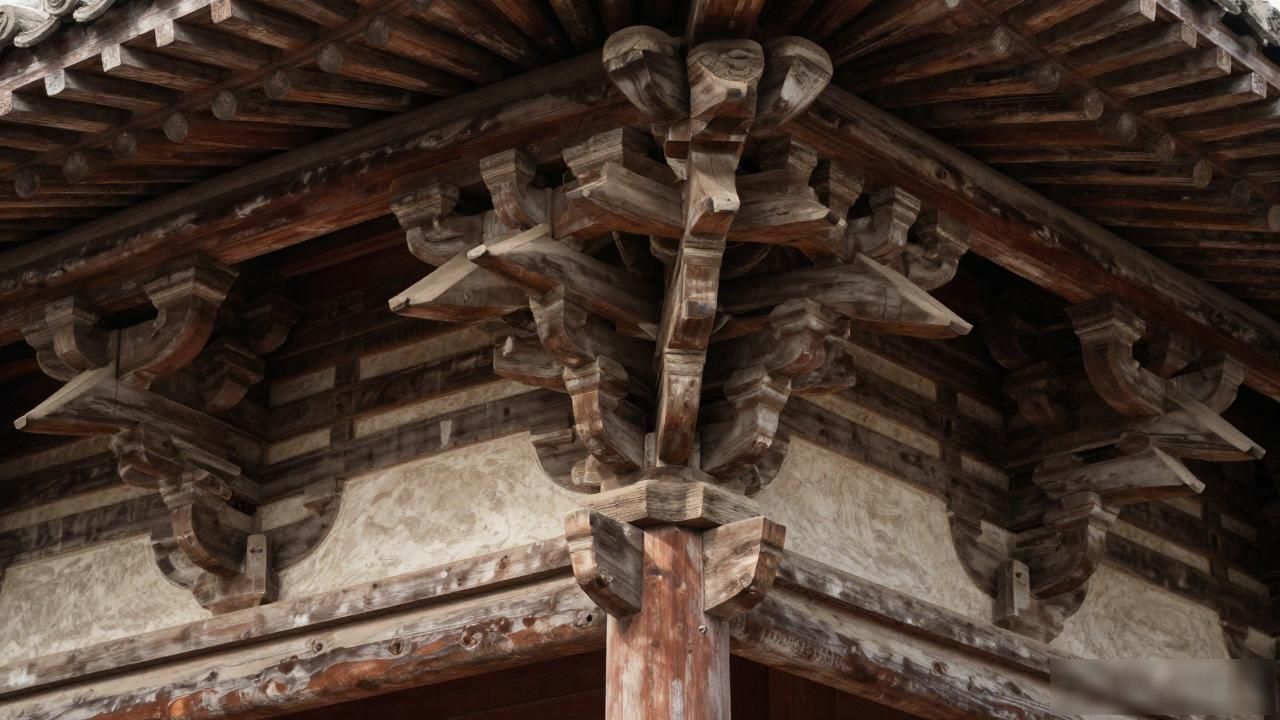
The most distinctive feature is the bracket system known as Dougong. These interlocking wooden brackets transfer roof weight onto pillars without nails. This technique allows buildings to sway during earthquakes while remaining standing for centuries. You will find examples dating back over a thousand years in temples across Shanxi Province.
Tiled roofs curve upward at the corners in a style that mimics bird wings spreading toward the sky. Roof ornaments often include mythical creatures positioned to ward off evil spirits. Wall materials vary by region — rammed earth in the northwest,brick and stone in the Yangtze Delta, and timber frames throughout most of eastern China.
Why These Old Towns Still Attract Millions of Visitors
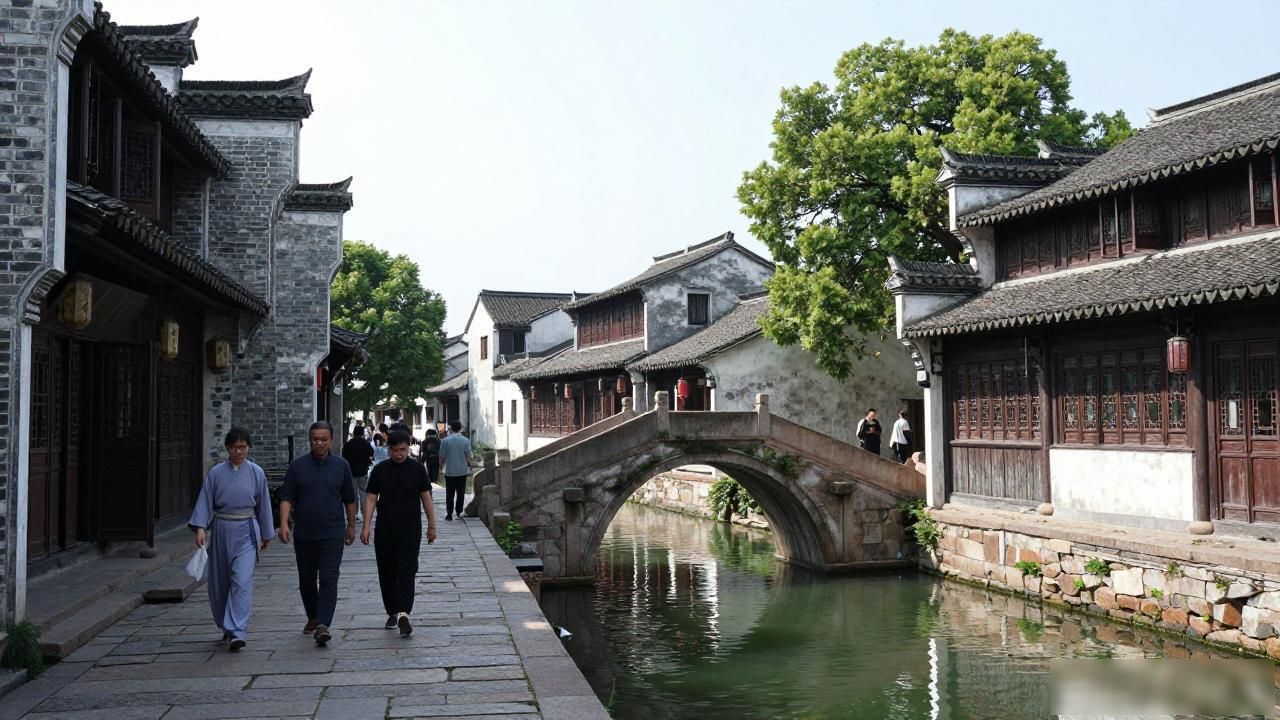
Modern visitors flock to ancient towns for reasons that go beyond拍照 opportunities. Many travelers seek authenticity in an increasingly homogenized world. Walking through weathered stone streets and crossing arched bridges over clear canals creates an atmosphere that no modern development can replicate. The emotional connection people feel in these spaces often surprises first-time visitors.
Economic revitalization has played a major role in preservation efforts. Local governments recognized that restoring historical districts could boost tourism revenue while maintaining cultural identity. Cities like Hongcun in Anhui Province demonstrate how careful restoration can attract international attention without erasing local character. Residents still live in restored homes, running teahouses and selling handmade crafts to curious travelers.
China’s Grand Canal towns along the Jiangnan water network represent another compelling category. These riverside settlements developed between the sixth and fourteenth centuries as commercial hubs. Their architecture blends residential, commercial, and religious functions in remarkably compact spaces.
Where to Find the Most Impressive Examples
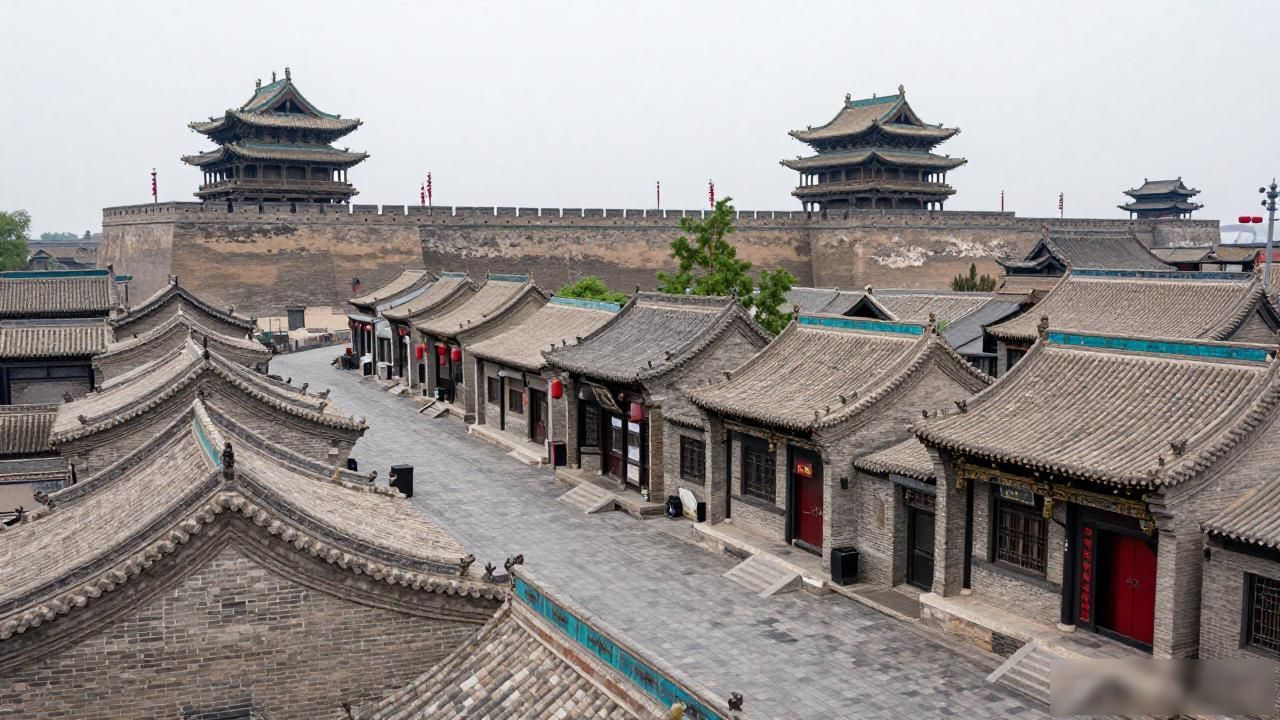
Pingyao in Shanxi Province stands as one of the best preserved ancient walled cities in all of China. Its Ming and Qing dynasty architecture remains remarkably intact within three kilometer walls. The city’s financial district once hosted China’s first paper banks called Piaohao, and their headquarters still line the main streets.
Wuzhen in Zhejiang Province offers a beautifully restored water town experience along its ancient canals. White walls, black tiles, and wooden balconies line narrow bridges that connect neighborhoods shaped by centuries of silk trade prosperity.
Lijiang in Yunnan Province combines Han Chinese architectural elements with Naxi ethnic minority influences. Its labyrinthine old quarter sits at 2,400 meters altitude and provides dramatic mountain backdrop views that few other Chinese towns can match. The stone pathways here have been worn smooth by generations of feet, creating a tactile connection to history that modern materials simply cannot reproduce.