

China’s visa policy in 2026 has undergone several practical updates that make visiting easier than ever. From expanded visa-free travel to fully digital applications, the changes are designed to welcome more international tourists and business travelers. This guide breaks down the most important adjustments, so you can plan your trip with confidence.
What are the new visa-free countries for 2026

As of April 2026, China has added 12 new countries to its unilateral visa-free list,including Switzerland, Ireland, Hungary, Austria, Belgium, and Luxembourg. Citizens from these nations can now enter China for tourism, business, or transit for up to 15 days without any visa. Additionally, the mutual visa exemption with Thailand and Singapore remains in effect. This means travelers from over 30 countries can now enjoy hassle-free short stays. The government has indicated that more European and Southeast Asian nations may be added later this year, so it is worth checking the latest updates before booking your flight.
How to apply for China e-visa 2026
The long-awaited electronic visa system finally launched in January 2026. You no longer need to mail your passport to a Chinese embassy or wait for weeks. Simply visit the official China Visa Application Service Center website, fill out the online form, upload a digital photo and scanned copies of your passport and itinerary, then pay the fee. Most tourist and business e-visas are processed within 5 working days. The e-visa is sent to your email as a PDF. Print it out or save it on your phone – border officers accept both. This system currently covers 78 countries, including the US, UK, Canada, Australia, and most EU members.
What documents are required for China visa 2026
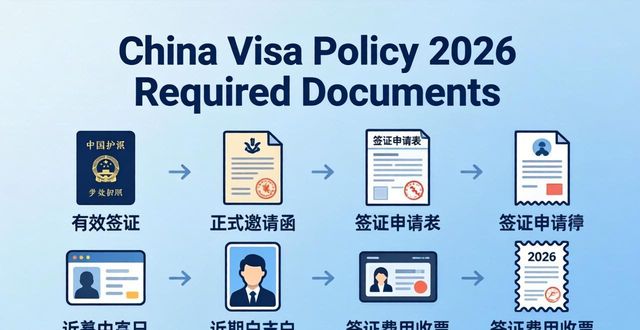
The document checklist has become significantly shorter. For a standard tourist visa (L visa), you now only need a passport valid for at least six months, a recent passport-style photo, and proof of accommodation for your first night in China. Hotel bookings and flight reservations are no longer mandatory, though having them may speed up processing. For business visas (M visa), an invitation letter from a Chinese company is still required, but the letter can be submitted electronically. The income proof and bank statements that used to trouble many applicants have been dropped for short-term visits. Always double-check the requirements for your specific nationality on the official website before applying.
Are tourist visas easier to get in 2026

Yes, approval rates for tourist visas have risen noticeably. In the first quarter of 2026, the global rejection rate for Chinese tourist visas dropped below 5%, compared to nearly 15% in 2023. The main reasons are simplified documentation and the shift to e-visas, which reduce human error and inconsistency. However, you still need to show a clear travel purpose – random “just want to see” applications may face extra scrutiny. For first-time visitors, it helps to include a brief day-by-day itinerary (even without paid bookings). Also, travelers who have previously visited China or hold valid US, UK, or Schengen visas enjoy an expedited review channel. Overall, 2026 is the most traveler-friendly year for Chinese visas in recent memory.
Now it is your turn: Which part of China’s new visa policy excites you the most – the expanded visa-free list, the e-visa system, or the simpler documents? Share your thoughts in the comments, and feel free to like or share this guide with fellow travelers planning a 2026 trip to China.