
Chinese calligraphy brushes are more than just tools; they are extensions of the artist’s spirit and technique. For anyone starting their journey into this ancient art, understanding these brushes is the first step toward creating meaningful strokes. From the bounce of the bristles to the way they hold ink, every detail influences your writing. This guide will walk you through choosing the right brush, recognizing different types, caring for your instrument, and mastering basic techniques.
How to Choose a Chinese Calligraphy Brush
The first thing to look for is the bristle material. Sheep hair (soft) holds a lot of ink and creates gentle, rounded strokes, perfect for smooth, flowing styles like regular script. Wolf hair (stiff, actually from weasels) offers more spring and precision, ideal for sharp,angular strokes in running or cursive script. Beginners often benefit from a mixed-hair brush that combines softness and resilience, giving you better control while you learn pressure and angle.

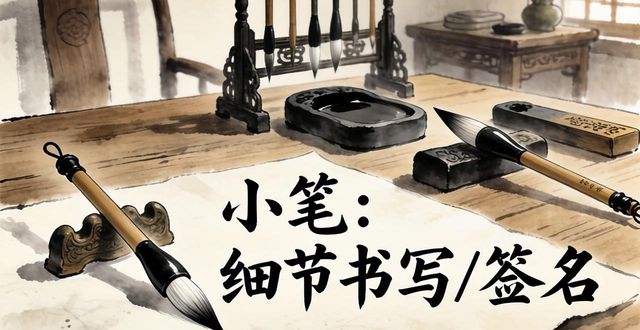
Another key factor is brush size. A small brush (tip length under 3 cm) is for detailed characters or signatures, while a medium brush (3–5 cm) suits most standard practice. Large brushes are for bold, expressive work but require more wrist strength. Always check the tip’s shape—when dry, it should form a perfect point. A blunt or split tip will never produce clean lines. For your first brush, choose a medium mixed-hair brush; it’s the most forgiving and versatile.
What Are the Different Types of Chinese Brushes
Beyond hair material, brushes are categorized by their handle and tip construction. The most common for calligraphy are the “jian” (sharp-pointed) brushes, which taper to a fine tip and rebound quickly after pressing. These are used for most traditional scripts. “Du” (blunt-tipped) brushes have a rounder end, creating thicker, more uniform lines often seen in seal script. There are also “long-fur” brushes, where the bristles are extra long, allowing for continuous ink flow and sweeping curves.
Regional styles also matter. Huzhou brushes from Zhejiang province are famous for their strict layering of hairs, producing exceptional spring and durability. Jingxian brushes from Anhui are known for their water-holding capacity. For everyday practice, a standard Huzhou mixed-hair brush is reliable. If you explore painting, you might encounter “yang hao” (pure sheep) or “lang hao” (pure weasel) brushes, which demand more skill. Start with one good mixed brush and expand your collection as your confidence grows.
How to Care for Your Chinese Calligraphy Brush
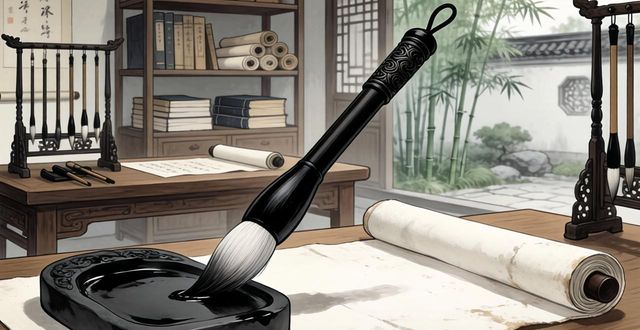
Proper care dramatically extends your brush’s life. After each use, rinse the bristles gently under cool or lukewarm water—never hot, as it weakens the natural glue holding the hairs. Use your fingers to massage out all ink residue, but avoid pulling or squeezing hard. Once the water runs clear, squeeze excess water from the ferrule down to the tip, then reshape the tip to a point. Never leave the brush standing upright in water; this bends bristles permanently.
Drying and storage are equally critical. Hang the brush upside down with the tip pointing down, or lay it flat on a towel with the tip off the edge. Keep it away from direct sunlight and heat, which dry out the natural oils in the hair. When completely dry, store it in a breathable brush roll or a box with ventilation. Never store a damp brush in a closed container—mold will ruin it. With daily use and proper care, a good brush can last many years.
Why Brush Technique Matters in Calligraphy
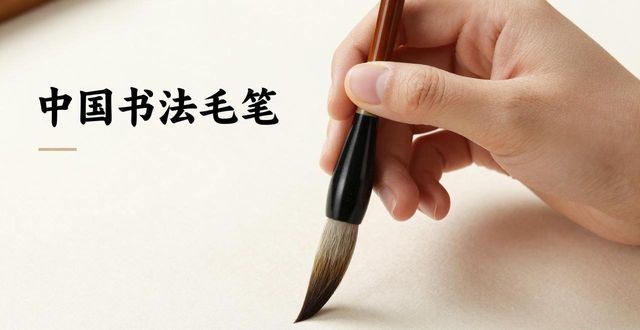
The way you hold and move the brush directly changes each stroke. The “central tip” technique (zhong feng) keeps the bristles perpendicular to the paper, producing smooth, even lines with hidden strength. This is the foundation of all serious calligraphy. Tilting the brush creates “side tip” (ce feng) strokes, which add texture and variation but can look messy if overused. Beginners should practice central tip for months before exploring angles.
Pressure control is another secret. Lifting the brush as you move creates thin, airy segments; pressing down thickens the line. The brush’s natural bounce will help you produce tapered starts and finishes. A common mistake is pressing too hard, which splays the bristles and loses precision. Practice drawing simple lines—horizontal, vertical, curved—while listening to the subtle friction sound. Over time, your hand learns to feel the paper through the brush. This connection is what transforms mechanical writing into living art.
What’s the one thing about Chinese calligraphy brushes that still confuses you? Drop your question in the comments—and if this guide helped, please share it with a fellow calligraphy lover.