
When visitors flock to Harbin for its world-famous ice sculptures, many overlook the wildlife experiences that make this city truly unforgettable in winter. Beneath the frozen landscapes and biting cold,incredible animals thrive in their natural habitats around the city. This guide reveals where locals and seasoned nature lovers head to witness these remarkable creatures during Harbin’s coldest months.
Best Places to See Siberian Tigers

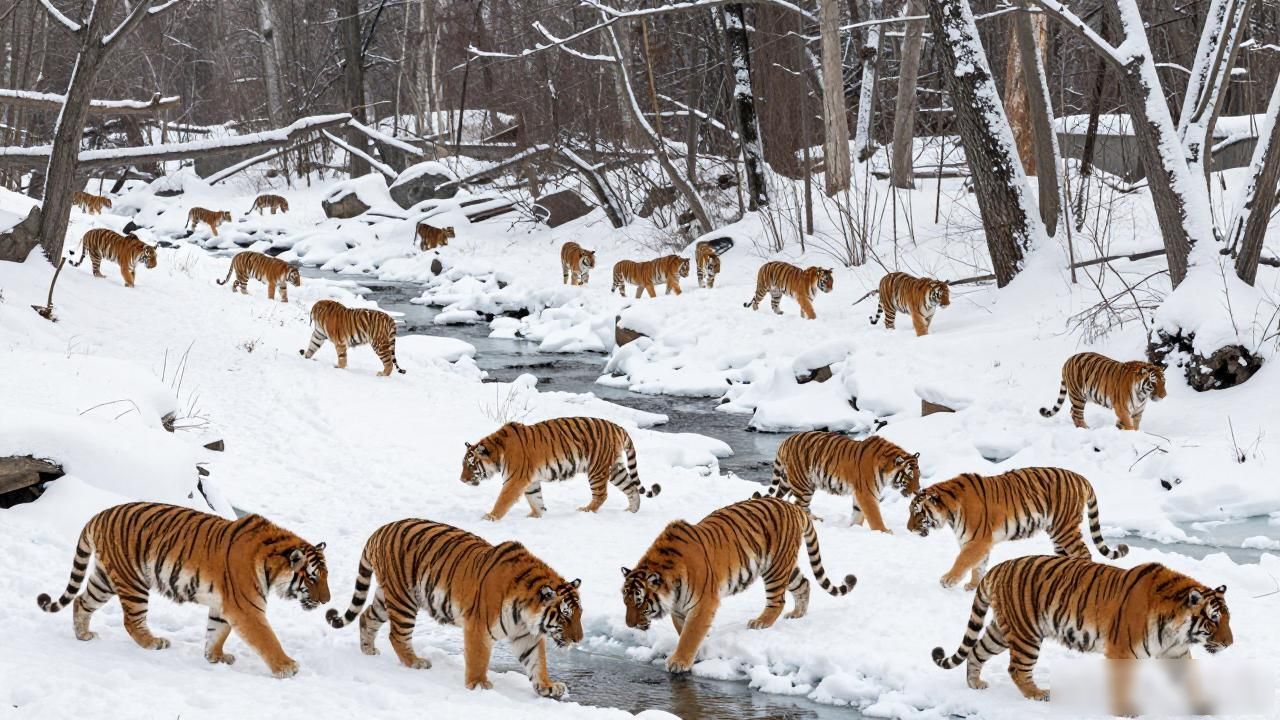
The Harbin Siberian Tiger Park spans over one million square meters of forested terrain. Here, hundreds of Siberian tigers roam freely across snow-covered valleys and frozen streams. During winter months, the tigers’ thick coats transform into stunning white and orange canvases against the stark landscape. They are the largest big cats in the world, and watching them patrol their territory through deep snow is nothing short of breathtaking.
Visitors ride in specially designed vehicles that traverse the park’s mountainous trails. The animals grow accustomed to the rumbling engines and often approach vehicles curiously, especially during feeding times when keepers toss meat across the terrain. Photographers recommend arriving early in the morning when the tigers are most active and the winter light casts dramatic shadows through the bare birch trees. Keep your hands inside the vehicle at all times — these are powerful wild predators, not zoo exhibits.
Where to Spot Red-Crowned Cranes Nearby
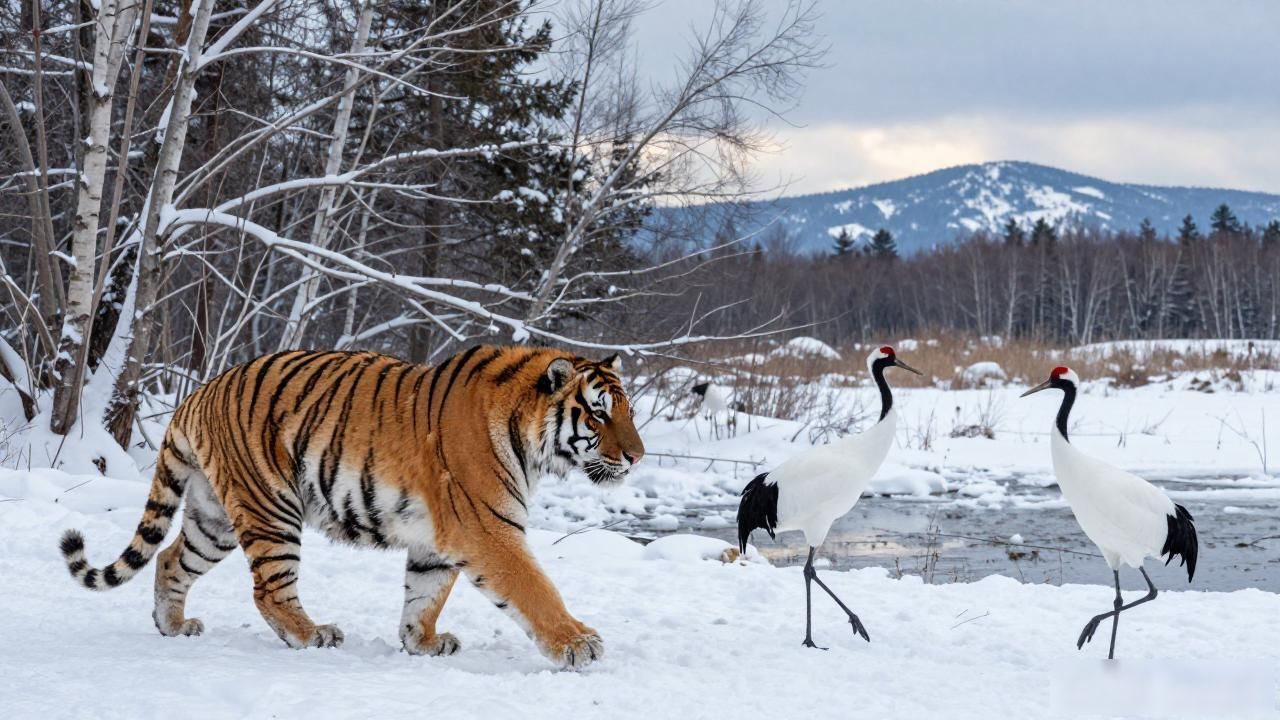
Around two hours north of Harbin lies the Zhalong Nature Reserve, home to China’s most celebrated population of red-crowned cranes. These elegant birds migrate south each autumn and return in late March. However, some individuals stay through winter when caretakers provide supplemental food.
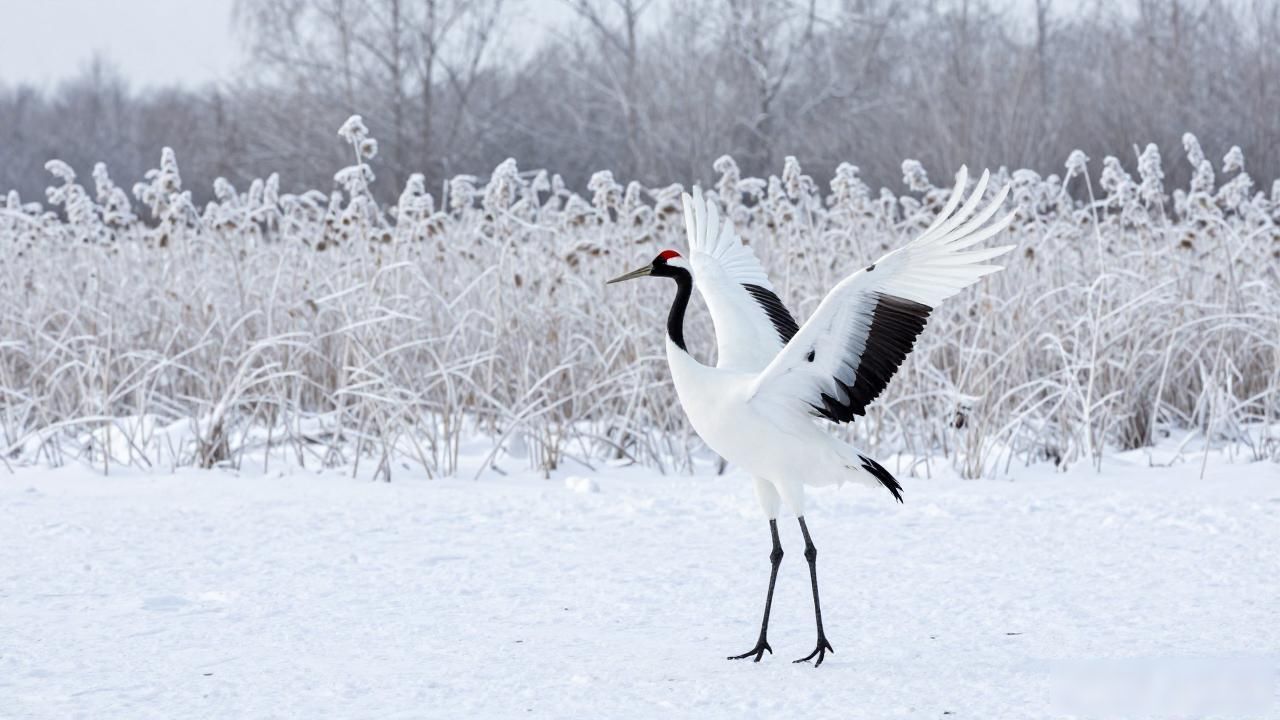
The wetlands freeze into a surreal silver-and-white expanse that makes the cranes’ striking red crowns pop against the monochrome background. Observers report seeing anywhere from fifteen to forty birds during winter visits. Cranes perform dramatic courtship dances even in freezing temperatures, leaping into the air with wings spread wide while emitting their signature bugling calls across the frozen reeds. Dress warmly and bring binoculars — the birds prefer keeping their distance from human observers.