
Chinese culture can feel like a massive,complicated puzzle at first glance. After living in China for several years, I’ve come to understand that its richness lies in small, everyday moments rather than grand museum exhibits. Food, family bonds, and daily rituals form the heartbeat of this ancient civilization. This article shares what I’ve learned about truly experiencing Chinese culture as an outsider — the kind of insights you won’t find in typical guidebooks.
What Makes Chinese Culture Unique
Most foreigners visit China expecting spectacular temples and dramatic landscapes. While those are wonderful, the real magic happens in ordinary settings. A morning tai chi session in the park reveals more about Chinese philosophy than any museum piece. The emphasis on harmony, respect for elders, and collective well-being over individual desires defines how people interact daily.

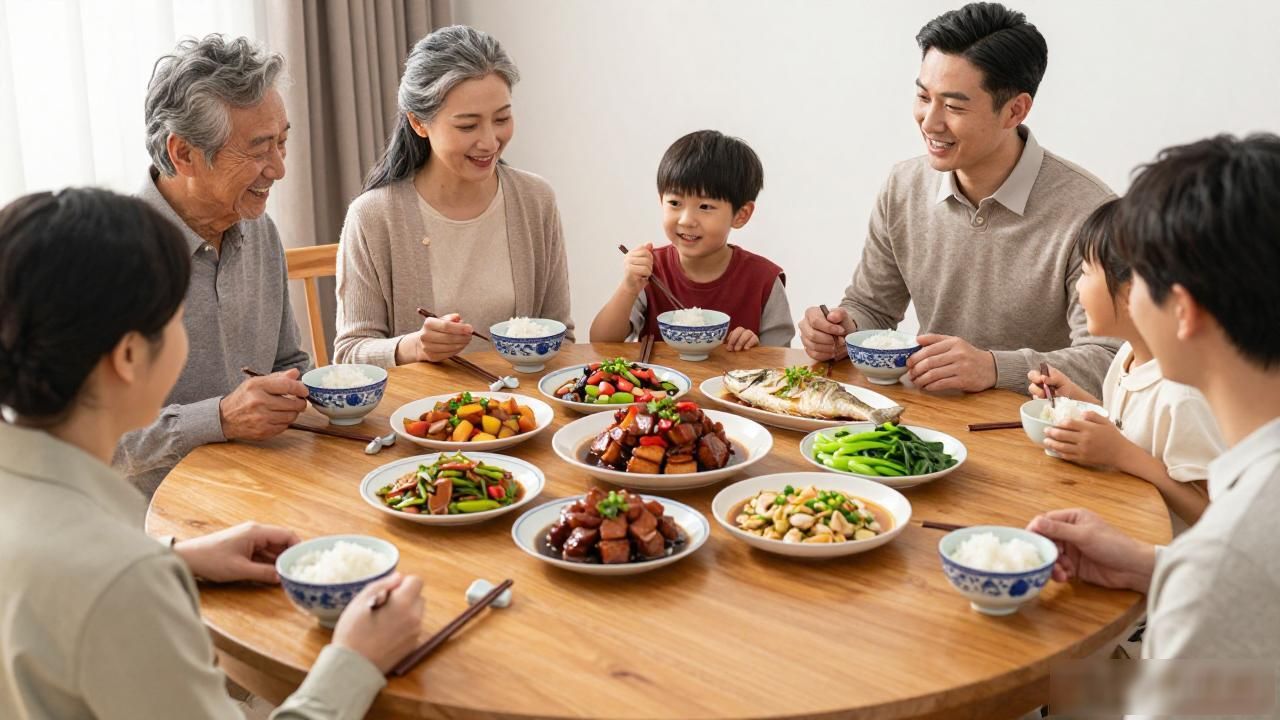
Dining habits tell a striking story too. Meals are shared communal events, not individual plates served one by one. Family and friends gather around a round table where dishes go to the center and everyone shares. Chopsticks carry meanings that extend far beyond eating utensils — placing them upright in rice, for example, is considered deeply inappropriate as it resembles funeral rituals.
Building relationships through guanxi (connections) is central to Chinese life. Social networks matter enormously in business and personal contexts. Being invited to someone’s home for a meal means genuine acceptance into their world, a privilege earned through patience and sincerity over time.
How to Participate in Chinese Festivals
Chinese festivals follow lunar calendars, making dates shift each year in the Western calendar. The most important is Spring Festival, or Chinese New Year, marking the beginning of spring and family reunion. Red envelopes containing money symbolize blessings passed from elders to younger generations. Fireworks light up nights, chasing away evil spirits while welcoming prosperity.
Mid-Autumn Festival centers on mooncakes — round pastries filled with lotus seed paste or salted egg yolk. Families gather outdoors under the full moon, sharing these symbolic treats while children carry colorful lanterns through streets. The legend behind this festival tells of a wife who climbed to the moon, forever separated from her husband.
Dragon Boat Festival honors the poet Qu Yuan through fierce boat racing competitions. Teams paddle rhythmically to drumbeats, creating an electrifying atmosphere along riverbanks. Participants also eat zongzi, sticky rice wrapped in bamboo leaves — a food tradition linking modern celebrations to historical roots thousands of years old.
Experiencing Traditional Chinese Arts
Calligraphy stands as one of the most respected art forms in China. Each brushstroke carries intention and emotion, transforming writing into visual poetry. Beginners often start with simple characters, learning patience and focus through repeated practice. The meditative quality makes it accessible to foreigners despite language barriers.
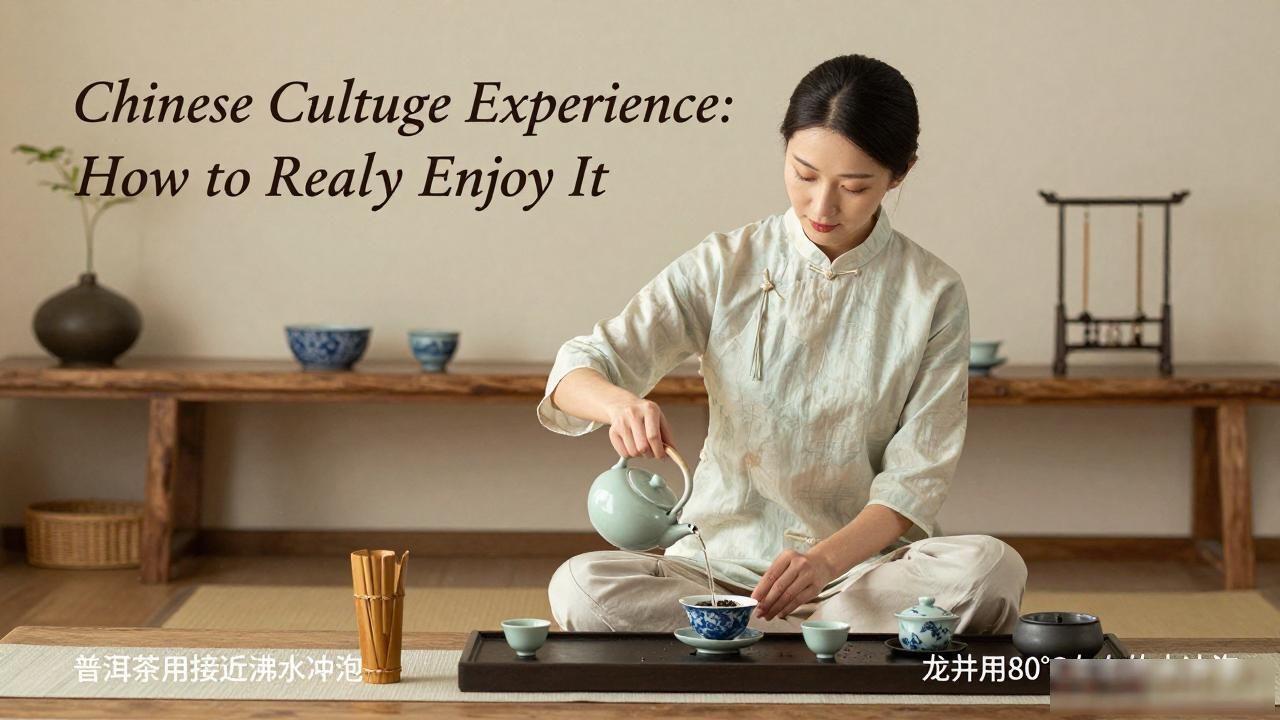
Tea ceremony deserves special attention for its cultural significance beyond mere beverage consumption. Different teas require specific water temperatures and brewing techniques. Green teas like Longjing need cooler water around 80°C, while pu-erh demands near-boiling water to release complex flavors properly.
Learning basic tea etiquette opens doors to meaningful social interactions. Receiving a cup with both hands shows respect. Tapping fingers lightly on the table as thanks originated from an emperor’s gesture of gratitude — servants tapped instead of bowing when they couldn’t reveal his identity. These small details reveal layers of history woven into ordinary actions.
Practicing calligraphy teaches humility and persistence simultaneously. Mistakes cannot be easily corrected, so every movement requires deliberate thought before execution. This philosophy extends throughout Chinese culture — mindfulness in action matters more than speed or perfection.