
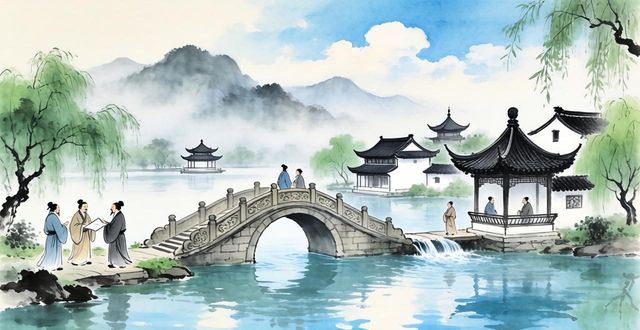
West Lake in Hangzhou is not just a scenic spot—it is a living poem that has inspired artists, scholars, and emperors for over a thousand years. For foreign travelers, understanding its poetic charm means stepping into a world where nature, history, and literature blend seamlessly. This article will guide you through the lake’s most iconic views, the stories behind them, and practical tips to fully appreciate its beauty.
Why is West Lake so famous for its poetry

The fame of West Lake comes from its ability to turn ordinary landscapes into verses. Since the Tang and Song dynasties, poets like Bai Juyi and Su Dongpo wrote hundreds of poems praising its misty hills, arched bridges, and reflective waters. They didn’t just describe the lake—they gave emotions to every willow and pavilion. For example, Su Dongpo compared the lake to a beautiful woman, saying it looks charming in any weather. This poetic tradition made West Lake a symbol of harmony between humans and nature. Even today, when you stand at Broken Bridge or stroll along Bai Causeway, you are walking through lines of ancient poetry.
How to experience the Ten Scenes of West Lake
The Ten Scenes are the heart of West Lake’s poetic charm, each named like a painting: “Dawn on Su Causeway in Spring,” “Lingering Snow on Broken Bridge,” and “Autumn Moon over Calm Lake.” To truly experience them,go at the right time. Visit Su Causeway at sunrise in March to see peach blossoms and weeping willows reflected in the water—that’s the “Spring Dawn.” For “Leifeng Pagoda in the Sunset,” climb the pagoda around 5 p.m. on a clear autumn day. The golden light hits the lake and creates a scene straight out of a scroll. Don’t rush; each scene is a moment of meditation. Rent a bike or simply walk, and let the lake reveal its secrets slowly.
What makes the Broken Bridge so poetic but not broken
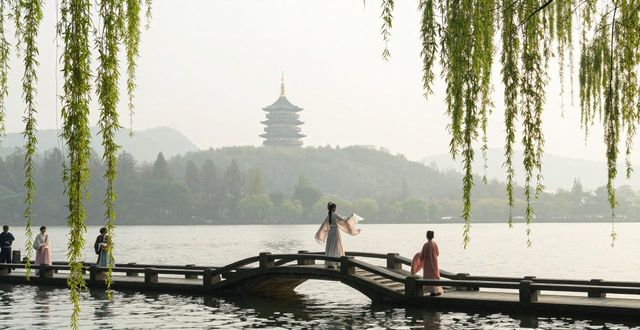
The Broken Bridge (Duan Qiao) is one of the most misunderstood spots. It is not actually broken. The name comes from a visual trick: when snow covers the bridge in winter, the sunny side melts first, making the bridge look broken from a distance. But the real charm is romantic. Legend says the White Snake Lady and her husband met here during a rainy day. Poets love this bridge because it symbolizes hope and separation. Stand on it in light rain or early spring fog. Look north to see the hills fade into gray, and south to watch boats glide. That blurry boundary between water and sky—that is the poetry. You don’t need to read Chinese to feel it. Just breathe and watch.
When is the best season to capture West Lake’s mood
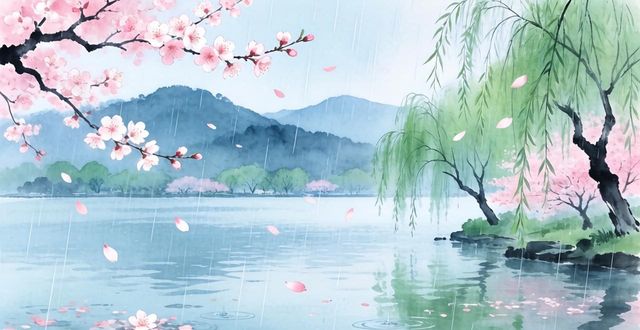
Every season writes a different poem. Spring is the most popular: soft rain, pink petals, and green hills. But summer offers lotus flowers on Yue Lake, with huge leaves that inspired the line “the lotus leaves stretch to the sky.” Autumn is my personal favorite—the air is crisp, the moon hangs low over Calm Lake, and the osmanthus flowers fill the streets with sweet scent. Winter is for quiet souls. On a snowy morning, you might have the lake almost to yourself. The famous “Lingering Snow on Broken Bridge” happens only after a light snowfall. Don’t follow crowds; pick a season that matches your mood. Bring a notebook or a camera, but most importantly, bring an open heart.
Have you ever visited a place that felt like a poem? Share your story in the comments below—and if you found this guide helpful, give it a like and share it with a friend who dreams of China!