
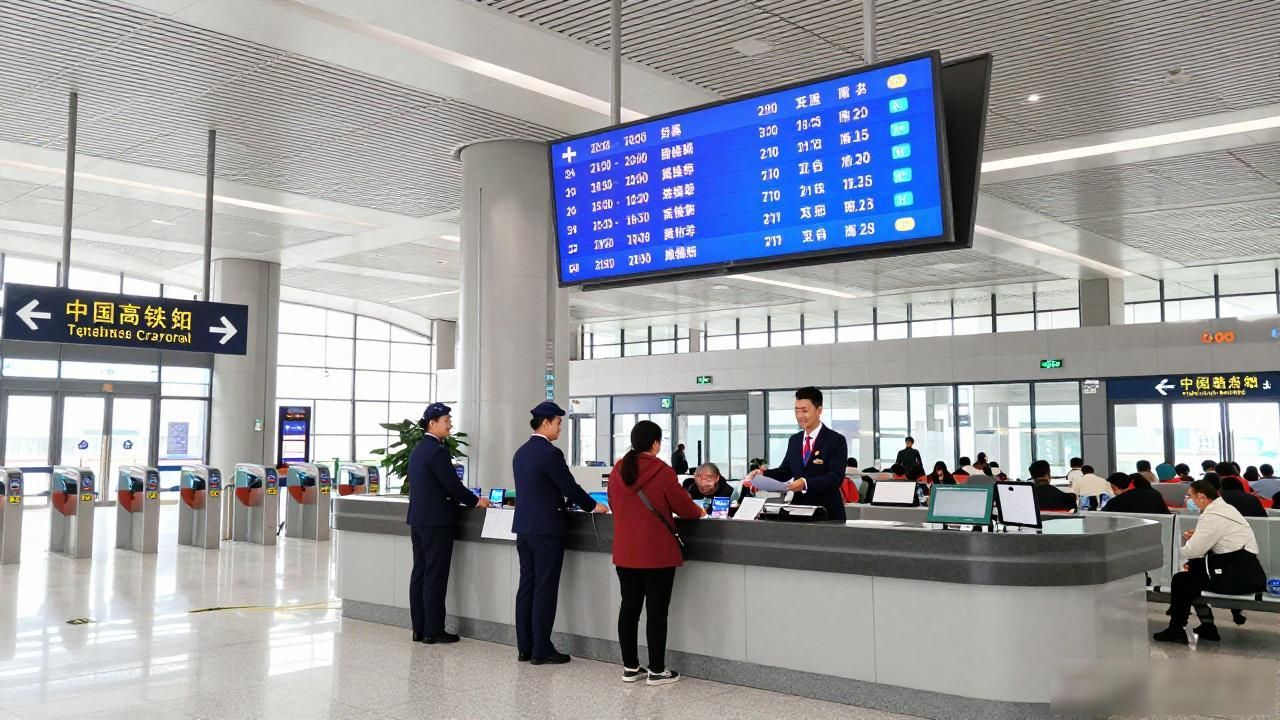
The first time I stepped onto a Chinese high-speed train, I expected nothing more than a fast commute between cities. What I found instead was a system so seamlessly woven into daily life that it completely reshaped how I understood modern travel across this vast country. China now operates the world’s longest high-speed rail network, stretching over 45,000 kilometers and connecting nearly every major city. For international visitors, navigating this network can feel daunting at first, but the experience itself is remarkably straightforward and often unforgettable.
How Does China High Speed Rail Work For Foreigners

You do not need Chinese language skills to board a train. Major stations have clear English signage, digital displays showing departures in both languages, and ticket counters where staff are accustomed to helping non-Chinese speakers. The most efficient approach is to purchase tickets through the official railway app or websites before your journey begins,saving considerable time at the station. Passport authentication at gates replaced the old paper ticket process, making entry as simple as scanning your document and walking through.
Seating classes range from second class to business class, and the differences are worth noting. Second class, which looks similar to economy seating on airlines, remains the most popular choice for travelers seeking comfort at reasonable prices. First class offers wider seats with more legroom, while business class provides lie-flat seats and complimentary snacks along with access to private lounges at select stations. Regardless of which class you choose, expect pristine clean trains departing on schedule.
What Should You Know Before Booking Your Trip
Timing matters significantly when traveling during peak seasons like Chinese New Year or national holidays in October, when millions of people move simultaneously across the country. Booking windows open approximately fifteen days before departure, and tickets for popular routes can sell out within minutes during these periods. Planning well ahead proves essential for securing seats on desirable routes such as Beijing to Shanghai or Shanghai to Hangzhou.
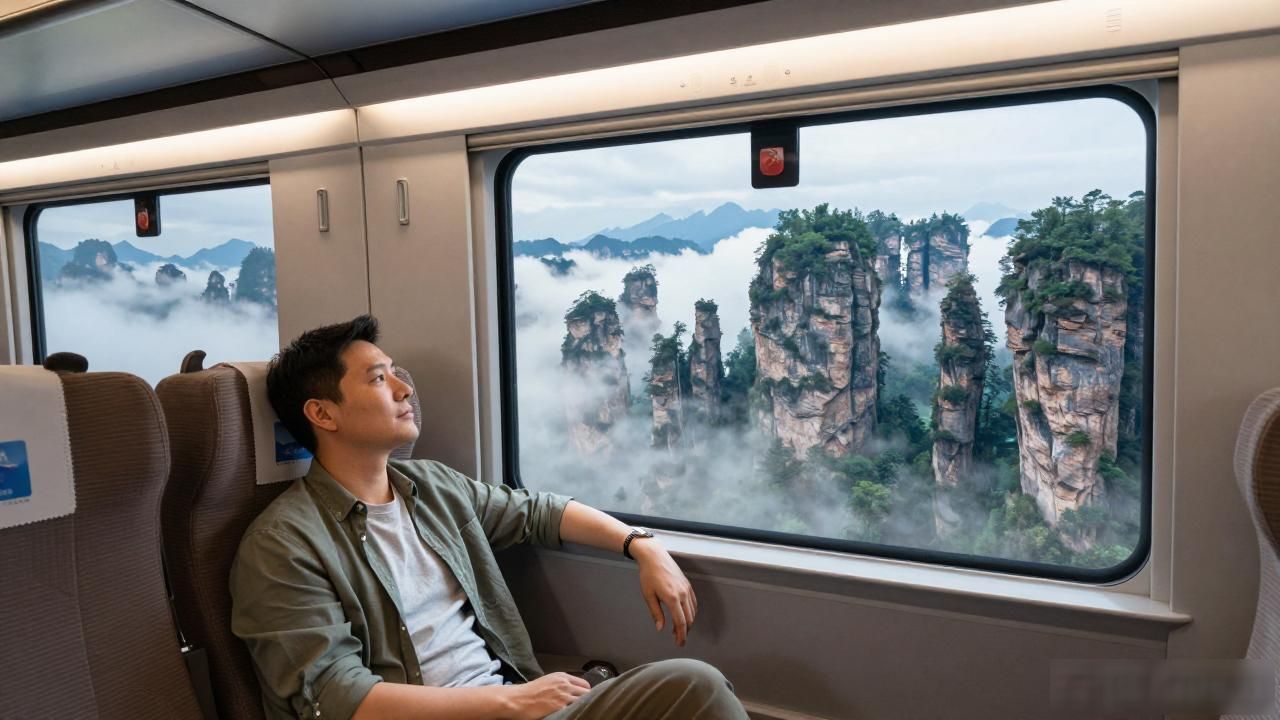
Some travelers discover that certain tourist destinations receive convenient high-speed rail access without needing flights or long bus rides. Cities like Zhangjiajie, Guilin, and Lijiang all now connect through expanded rail lines, opening up regions previously difficult to reach for international visitors. The geographic reach continues expanding rapidly, with new lines opening regularly and reducing travel times dramatically across the entire network.