

Discovering living traditions, ancient towns, and sacred mountains
Yunnan is one of those places where history hasn’t faded into museums. It breathes through stone streets,temple bells, and the hands of craftspeople still practicing techniques passed down for centuries. A cultural heritage trip here isn’t about ticking landmarks off a list — it’s about stepping into communities that have maintained their identity despite centuries of change.
The beauty lies in the diversity. Over twenty-five ethnic groups call Yunnan home, each with distinct customs, festivals, and art forms. Walking through these places, you realize heritage isn’t frozen in time. It evolves. The tea horse road still echoes in remote villages. Ancient Naxi scripts survive in the hands of local scholars. This is why Yunnan remains one of China’s most compelling cultural destinations.

What makes Yunnan cultural heritage travel unique
Lijiang often draws the crowds, but the real stories live beyond its famous old town. Venture toward Shangri-La and you’ll encounter Tibetan monasteries perched on hillsides, their prayer flags snapping in the wind. Visit Dali and the Bai people welcome you with三道茶 — three courses of tea that tell the story of life: bitter, sweet, and aftertaste. These rituals aren’t staged performances. They’re daily expressions of a worldview that honors balance and gratitude.
Shaxi, once a vital stop on the Tea Horse Road, still feels untouched by mass tourism. The Friday market draws local minorities in traditional dress, trading goods the way their ancestors did. Stone archways frame courtyards where woodcarvers shape pieces using methods older than the Ming Dynasty. You can watch artisans at work and speak with them directly — something far rarer at heavily commercialized sites across Asia.

Further south, the Yuanyang Rice Terraces belong to the Hani people. Their fields cascade down mountainsides in patterns that take months to complete each season. This isn’t just agriculture — it’s a spiritual relationship with the land that UNESCO recognizes as a World Heritage Site. The Hani don’t see themselves as preserving culture for outsiders. They live it, and visitors who approach with respect find it deeply rewarding.
How to plan an authentic Yunnan cultural heritage journey
Skip the package tours that rush through six temples in three days. Instead, spend a week or more in one or two areas. Fly into Kunming, then head to Dali and Shaxi before moving toward Lijiang. Stay in family-run guesthouses rather than chain hotels. Eat where locals eat. Buy ceramics from the potter whose workshop faces the street. These small choices transform a generic trip into something personal.
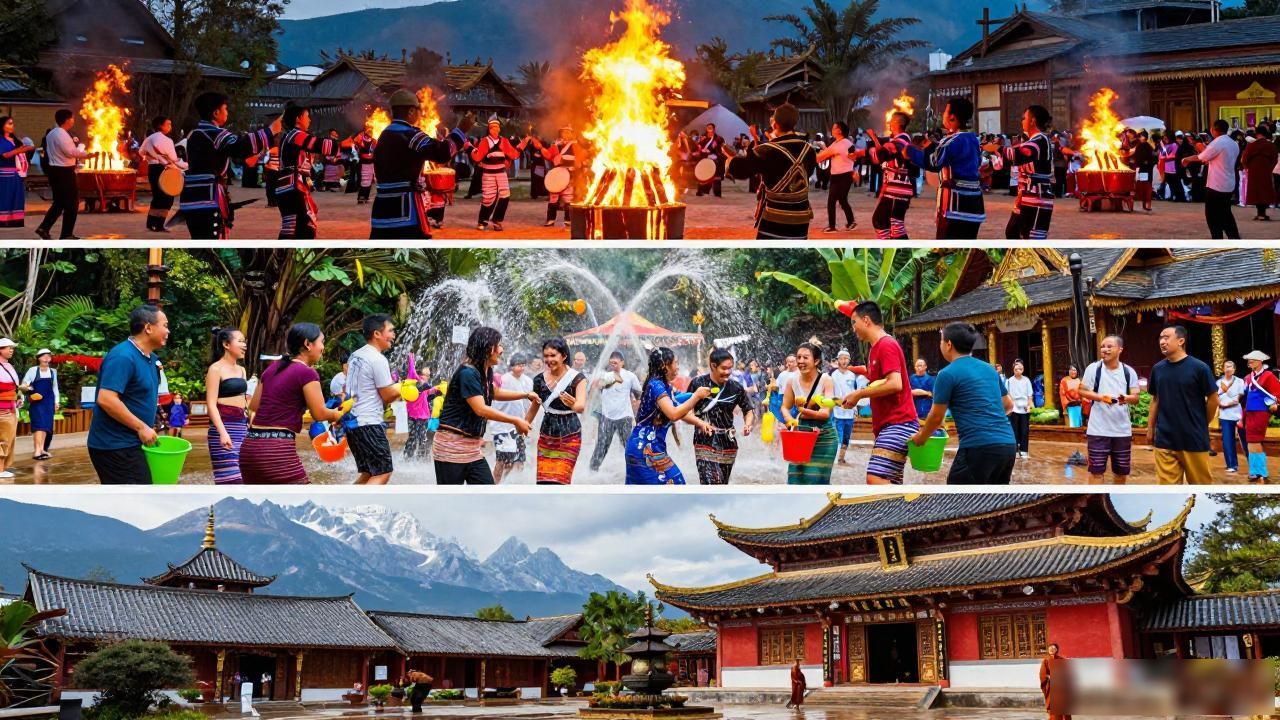
The best time to visit depends on which traditions you want to experience. The Torch Festival of the Yi people happens in summer, filling villages with fire and music. Spring brings the water-splashing celebrations of the Dai community in Xishuangbanna. Winter is quieter, but monasteries in the north maintain their rituals year-round regardless of weather. Research specific festivals before booking so your visit aligns with living cultural moments rather than static sights.
Pack comfortable walking shoes and a respectful attitude. Many heritage sites are active places of worship or daily life, not theme parks. Remove shoes before entering homes and temples. Ask permission before photographing people. Learn a few basic phrases in Mandarin or the local language — it opens doors that guidebooks cannot. The people you meet will remember how you carried yourself far longer than they’ll remember the buildings you visited.