
China‘s historical sites span over five thousand years of civilization, stretching from ancient fortifications carved into mountainsides to imperial palaces that once housed emperors. For travelers stepping into this vast landscape of antiquity, the challenge isn’t finding places to visit—it’s knowing where to begin and what truly stands out. This guide walks through the most compelling historical destinations that define China’s rich past and continue to draw millions of visitors every year.
What Are The Most Famous Historical Sites In China

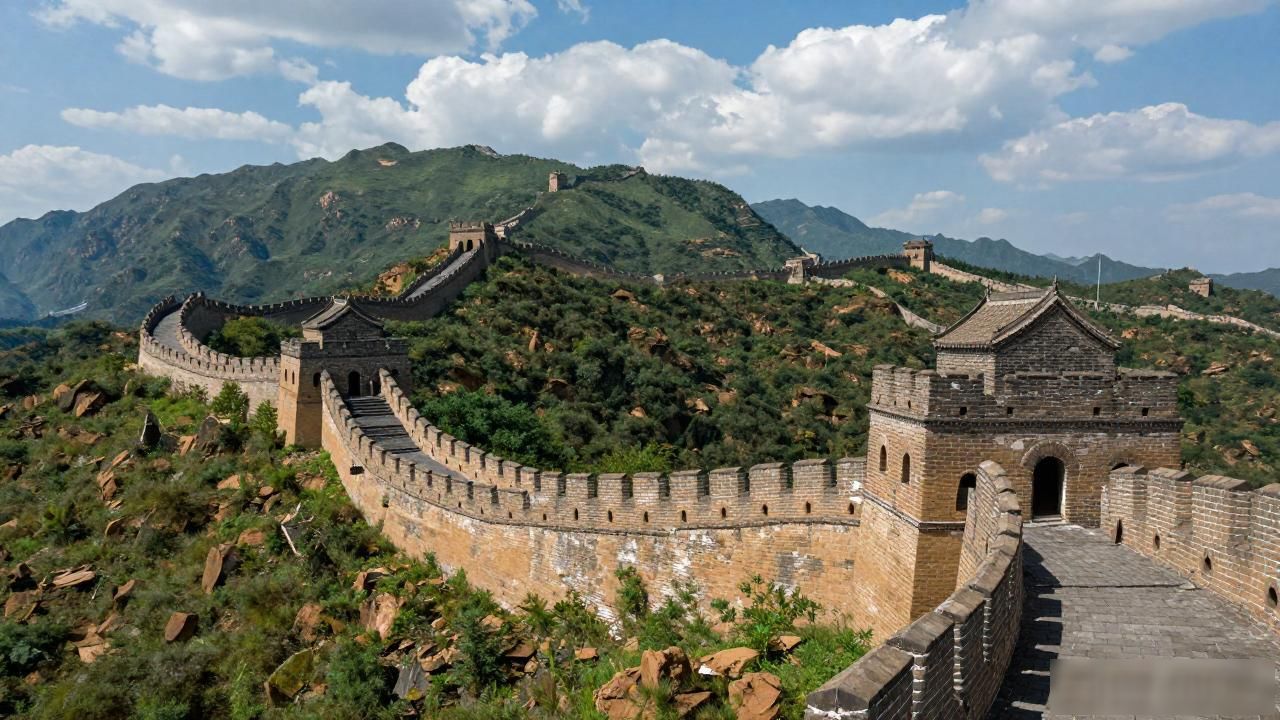
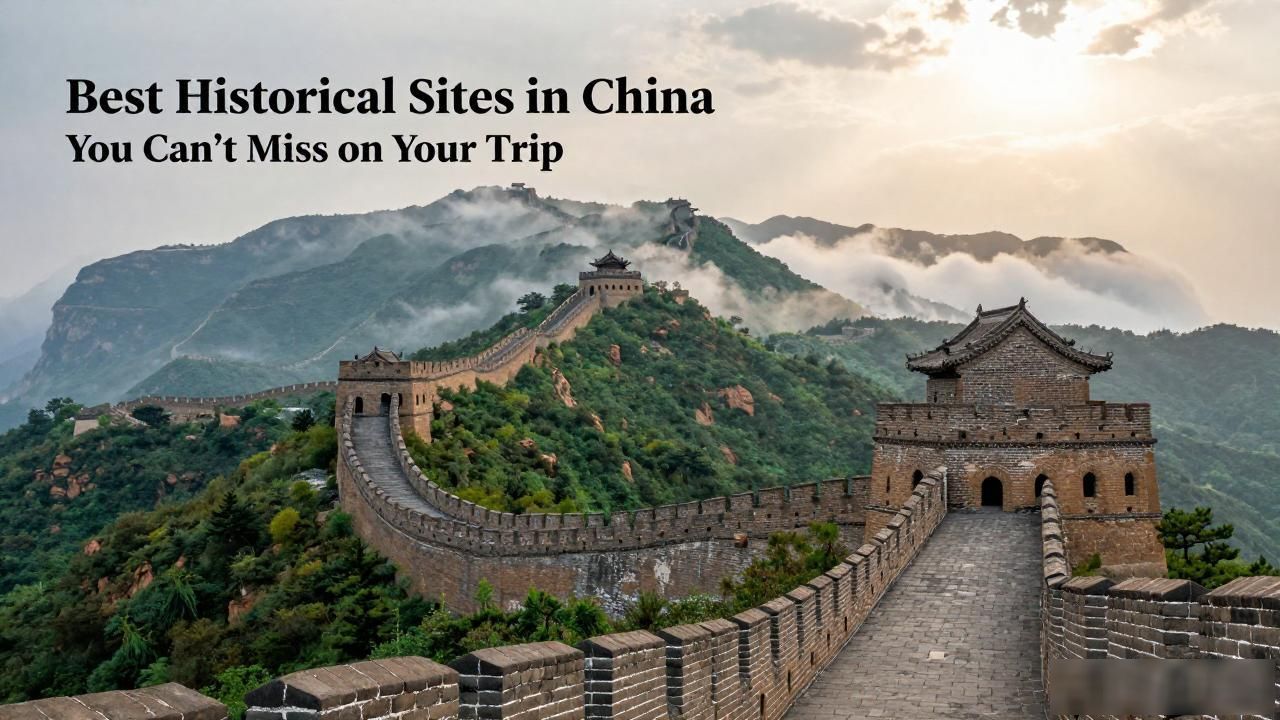
The Great Wall remains the single most iconic historical structure in China, but understanding it goes far beyond a postcard view. Stretching over thirteen thousand kilometers across northern China, it wasn’t built as one continuous wall but rather a network of fortifications constructed, rebuilt, and expanded by different dynasties. The Ming Dynasty sections near Beijing, such as Mutianyu and Jinshanling, offer the most impressive restored stretches where visitors can actually walk along the battlements and imagine the soldiers who once guarded these mountainsides. The raw, wild sections further north in Hebei and Shanxi provinces feel dramatically different—overgrown, crumbling, and utterly untouched by modern restoration.
Xi’an holds a treasure that rivals any ancient wonder on Earth. The Terracotta Army, discovered accidentally by farmers in 1974, consists of over eight thousand life-sized clay soldiers, each with distinct facial features and armor details. Standing in those vast underground pits,you feel the weight of Qin Shi Huang’s ambition to bring an entire army into the afterlife. The museum housing these figures is remarkably well-curated, and hiring a local guide transforms a good visit into an unforgettable one, revealing stories about the artisans who sculpted each warrior and the political genius behind the first emperor’s vision.
Where Else Should Travelers Explore In China For History
Beyond the headline destinations, China rewards those willing to venture further. Pingyao Ancient City in Shanxi Province feels like stepping into a Ming Dynasty postcard. Its well-preserved city walls, traditional banker houses, and horse-drawn carriages along cobblestone streets offer an immersive experience that most major Chinese cities simply cannot match. Stay overnight here—walking through the quiet alleys at dusk, when day-trippers have vanished, is when Pingyao reveals its true magic.
Chengde in Hebei Province hosts the Mountain Resort, a vast complex of palaces and temples built by Qing Dynasty emperors as a summer retreat. This UNESCO site blends Han Chinese, Tibetan, and Mongolian architectural traditions in a way that reflects the multi-ethnic nature of imperial rule. The surrounding Putuo Zongcheng Temple, often called the “Mini Potala Palace,” is particularly striking, and the grounds are expansive enough to spend an entire day exploring without rushing.
Lhasa in Tibet deserves its place on any historical itinerary. The Potala Palace, rising dramatically above the city at over thirteen thousand feet, was the winter residence of the Dalai Lamas and remains one of the highest ancient palaces in the world. Exploring its hundred-plus rooms, golden stupas, and ancient manuscripts offers a window into Tibetan Buddhist culture that nothing else can replicate. Acclimatization matters here—take it easy on your first day and let the altitude settle before tackling the palace’s many staircases.