
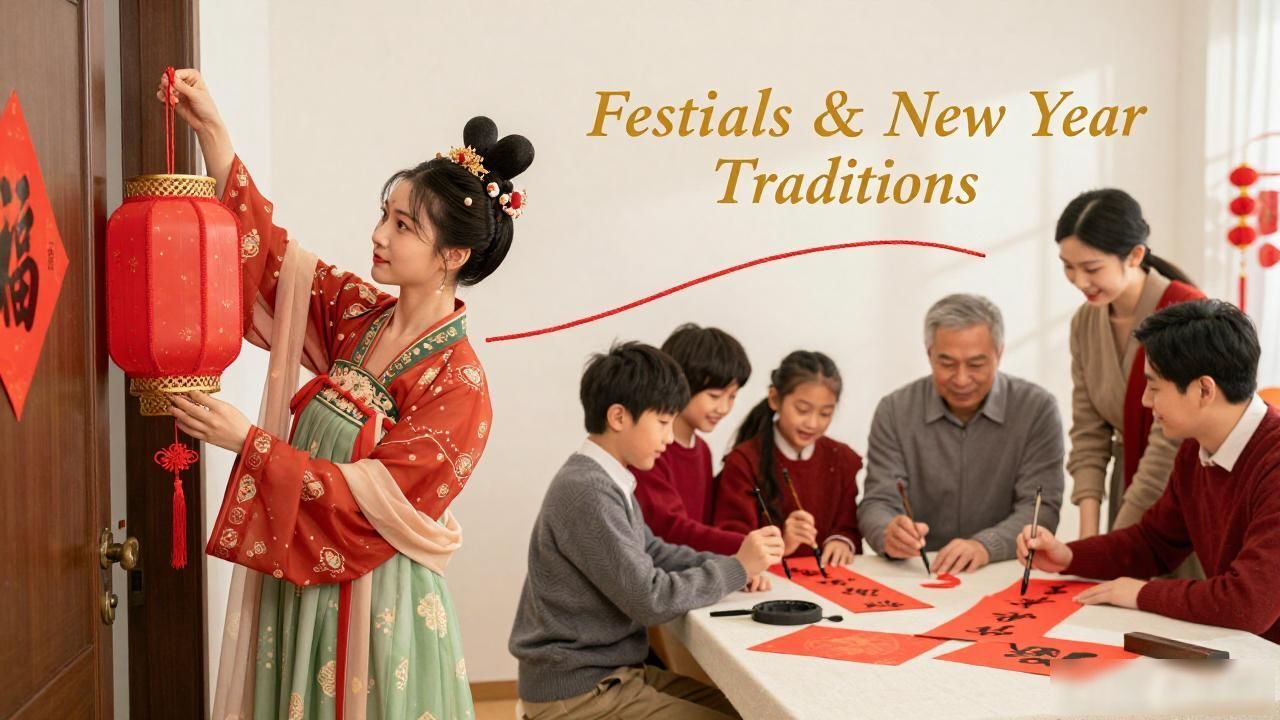
Traditional festivals and New Year celebrations form the cultural backbone of human societies, offering a shared rhythm that transcends generations. Having walked through moonlit temple processions in Kyoto, danced in the streets of Rio during Carnival, and witnessed the quiet dawn prayers of Diwali in Mumbai, I’ve come to see these events not merely as dates on a calendar but as living negotiations between memory and future. They are where communities rehearse identity, where the sacred and the secular intertwine, and where people collectively affirm what matters most. This article explores why such rituals endure and how New Year customs reveal both universal hopes and striking local divergences.
Why traditional festivals endure
The heartbeat of continuity
Festivals persist because they anchor us against the erosion of time. In an era of relentless digital flux, the predictable return of a harvest fair, a lantern festival, or a solemn day of remembrance offers psychological ballast. Take the Chinese Spring Festival, or Christmas across Christendom—these are not static relics but evolving tapestries. Families may debate the commercialization, teenagers may reinvent dance styles within the celebration, yet the core impulse remains: to gather, to give thanks, to mark the passage of years with tangible ritual.

Sacred and social threads woven together
Many festivals blur the line between worship and community building. The Hindu festival of Diwali illuminates homes with lamps symbolizing the triumph of light over darkness, but it also functions as a social reset—debts cleared, grudges forgiven, neighborhoods adorned. Similarly, Mexico’s Día de los Muertos combines CatholicAll Souls’ Day with indigenous ancestor veneration, creating a festive atmosphere that is simultaneously reverent and jubilant. These dual layers allow festivals to speak to diverse participants: the devout find spiritual depth, while others appreciate the cultural heritage or simply enjoy a holiday from routine.
Resilience through adaptation
Traditional festivals are remarkably resilient precisely because they are adaptable. When the Japanese Gion Matsuri was threatened by modernization, communities restructured it into a month-long series of events, preserving the core floats and rituals while inviting global tourists. African diaspora carnivals in London and Toronto transformed limited resources into powerful statements of identity and resistance. This flexibility ensures survival; rigidity would have left them vulnerable to historical tides. Festivals evolve not by abandoning tradition but by reinterpreting it for new contexts, keeping the flame alive across generations.
How New Year celebrations unite and divide
A universal countdown, local rhythms
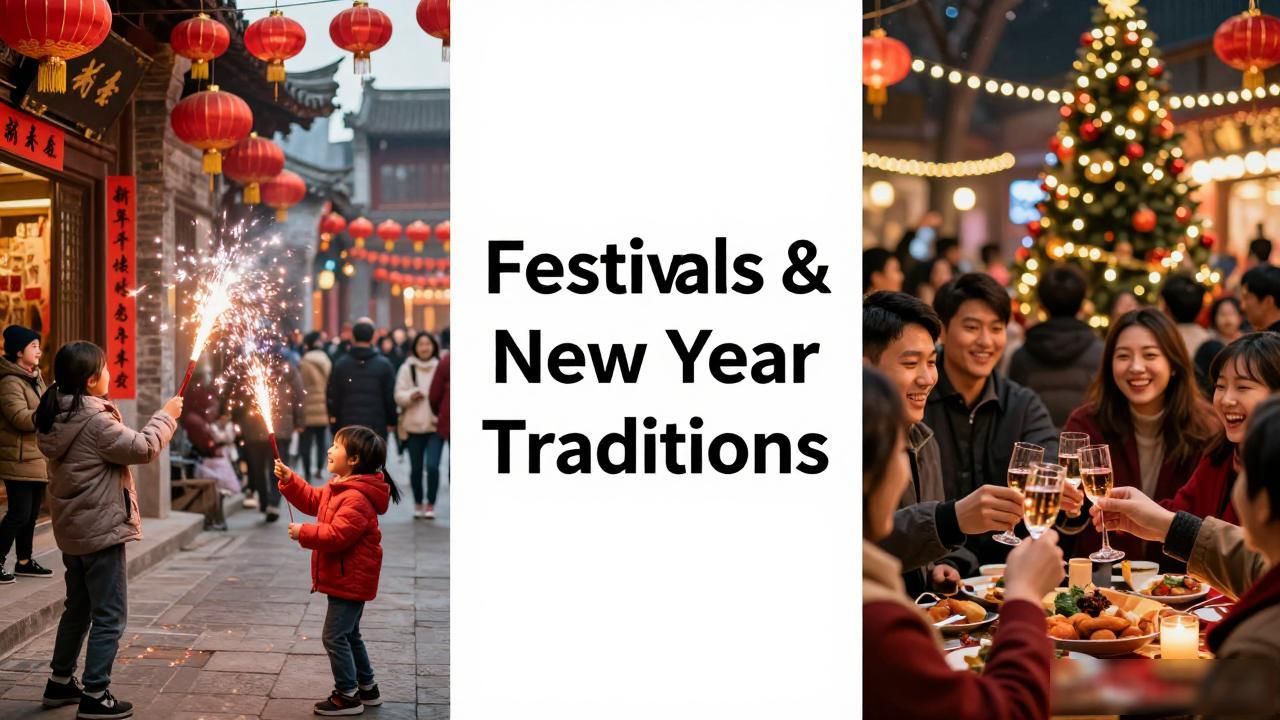
Every culture marks the turning of the year, yet the expressions vary wildly. While many Western nations count down to midnight with fireworks and champagne, others follow lunar or agricultural calendars. Korea’s Seollal involves ancestral rites (charye) and traditional games like yutnori, emphasizing family lineage and harmony. Ethiopia’s Enkutatash, celebrated on September 11 (or 12 in leap years), brings vibrant flower festivals and new clothing, reflecting the end of the rainy season. These differences are not obstacles but invitations—they remind us that time itself is culturally constructed, and each community carves its own meaning from the shared passage.
Rituals of renewal and release
Common themes emerge: purification, forgiveness, and setting intentions. Cleaning one’s home before New Year appears in Chinese, Swedish, and Jewish traditions alike, symbolizing the sweep away of old energy. The Spanish custom of eating twelve grapes at midnight, or the Filipino practice of rounding shapes (to attract coins) and making noise (to scare away evil), encode hopes for prosperity and protection. Even secular societies participate in “ resolutions,” a modern echo of ancient vows to gods. The underlying human desire is identical: to step into the unknown year lighter, cleaner, and more hopeful than before.
Globalization’s double edge
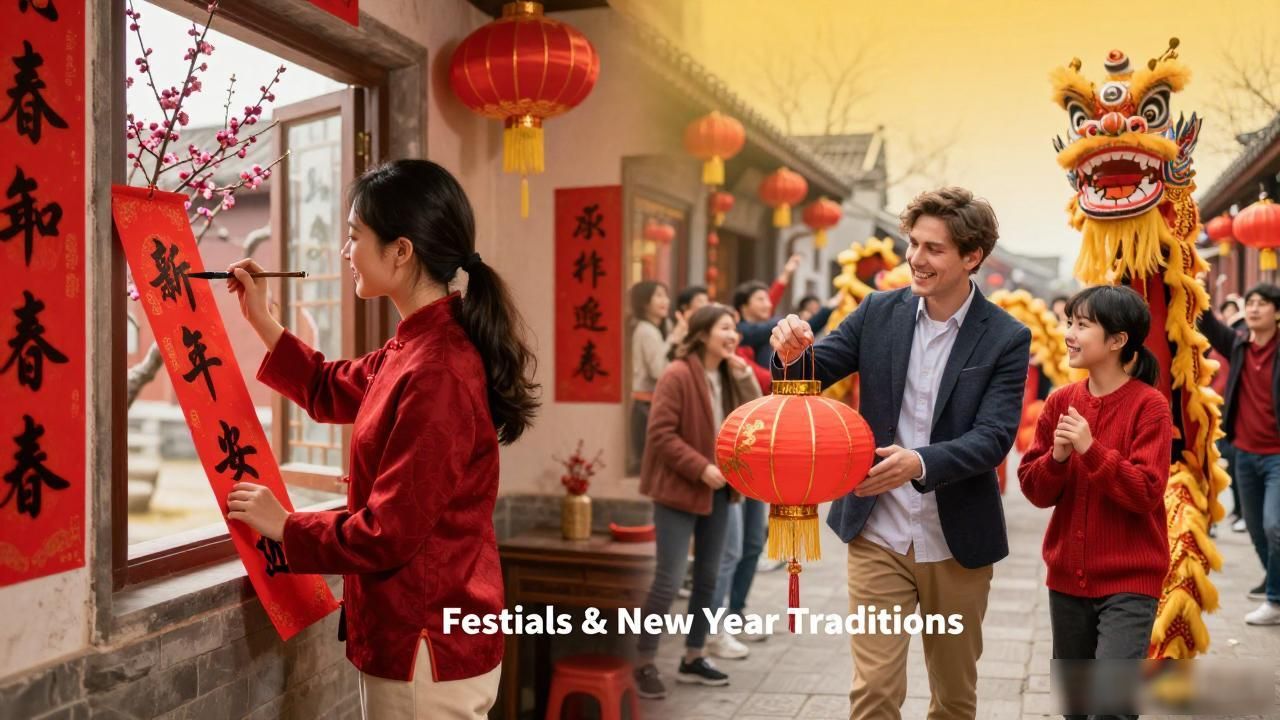
Today, New Year’s Eve in Times Square is broadcast worldwide, creating a shared pop-culture moment. This homogenization can dilute local flavors—big cities everywhere host similar parties, and multinational brands promote the same glittery aesthetics. Yet, globalization also enables cross-pollination. Chinese New Year parades now appear in San Francisco and London, while Brazilian Carnival floats inspire street festivals in Berlin. The challenge lies in balancing participation with preservation. Communities that actively involve elders,teach children the stories behind the rituals, and embrace innovation without discarding core values tend to thrive. Tradition is not a museum piece but a conversation—one that grows richer when more voices join.
Closing thoughts
Traditional festivals and New Year celebrations are humanity’s collective autobiography. They record our joys, fears, and aspirations in colors, sounds, and gestures that words alone cannot capture. To engage with them—whether by attending a local event, learning about another culture’s rites, or simply reflecting on your own yearly rituals—is to participate in an ancient, ongoing dialogue. The coming year will bring its own uncertainties, but within these timeless gatherings lies a quiet assurance: we are not alone in marking time, and in doing so, we reaffirm what binds us together.