
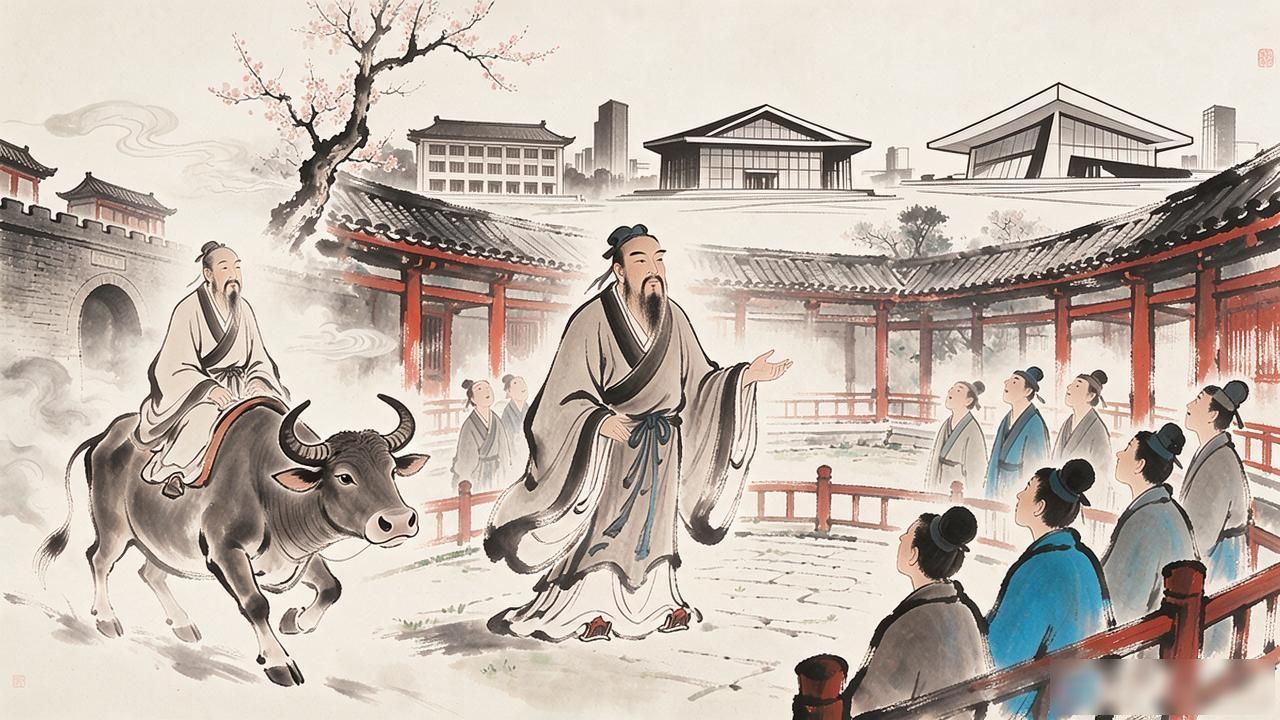
When most people think about Chinese culture heritage, they imagine ancient pottery, dusty scrolls, or perhaps the massive stone walls winding across northern mountains. The reality is far more vibrant. This heritage is a living, breathing continuum that has shaped not just one civilization but the entire trajectory of human history. It encompasses everything from the philosophical systems that govern social harmony to intricate tea ceremonies that demand patience and respect. For a foreigner standing outside this culture, it can seem overwhelming in its sheer scale. Yet, understanding it opens a door to one of the world’s most profound worldviews, offering insights into balance, family, and the relationship between humanity and nature that remain deeply relevant today.
What is chinese culture heritage and why does it matter

At its core, this heritage is defined by an unbroken lineage. Unlike many ancient civilizations that rose and fell, leaving behind only ruins, China’s cultural identity has persisted for over four thousand years. It is rooted in the teachings of Confucius and Laozi, who provided frameworks for ethics and spirituality that still guide daily life in East Asia. These philosophies are not merely academic subjects but are embedded in language, governance, and familial structures. The written language itself is a living artifact, with characters that have remained recognizable for thousands of years, allowing modern readers to connect directly with texts written centuries ago. When you look at a Chinese family gathering during the Lunar New Year, you are witnessing a tradition that has survived dynasties, wars, and modernization. The resilience of these customs is what makes the heritage so distinctive.
The material side of this legacy is equally staggering. From the delicate porcelain that conquered global markets in the eighteenth century to the architectural marvels of the Ming and Qing dynasties, Chinese artisans have left an indelible mark on the world. Silk, tea, and papermaking are just three inventions that fundamentally altered how humans communicate, trade, and live. Even the compass, which allowed for the Age of Exploration, originated here. These innovations were not created in isolation; they were part of a sophisticated ecosystem of knowledge that valued observation, craftsmanship, and practical application. To explore these artifacts is to understand the technological and artistic heights reached by a civilization that prioritized harmony with the natural world.
For the modern world, this heritage offers a necessary counterpoint to the rush of contemporary life. In an era defined by rapid digitalization and individualism, the Chinese emphasis on collective responsibility, ancestor worship, and cosmic balance provides a different lens through which to view existence. The concept of Tianxia suggests a worldview where the emperor is the son of heaven, responsible for the well-being of all under the sky. This cosmological view challenges the Western notion that progress must always mean breaking away from the past. Instead, it suggests that true stability comes from building upon the foundations laid by previous generations. This perspective is crucial for anyone seeking a deeper understanding of global affairs, as it explains much of the behavior and motivation behind China’s rise on the world stage.
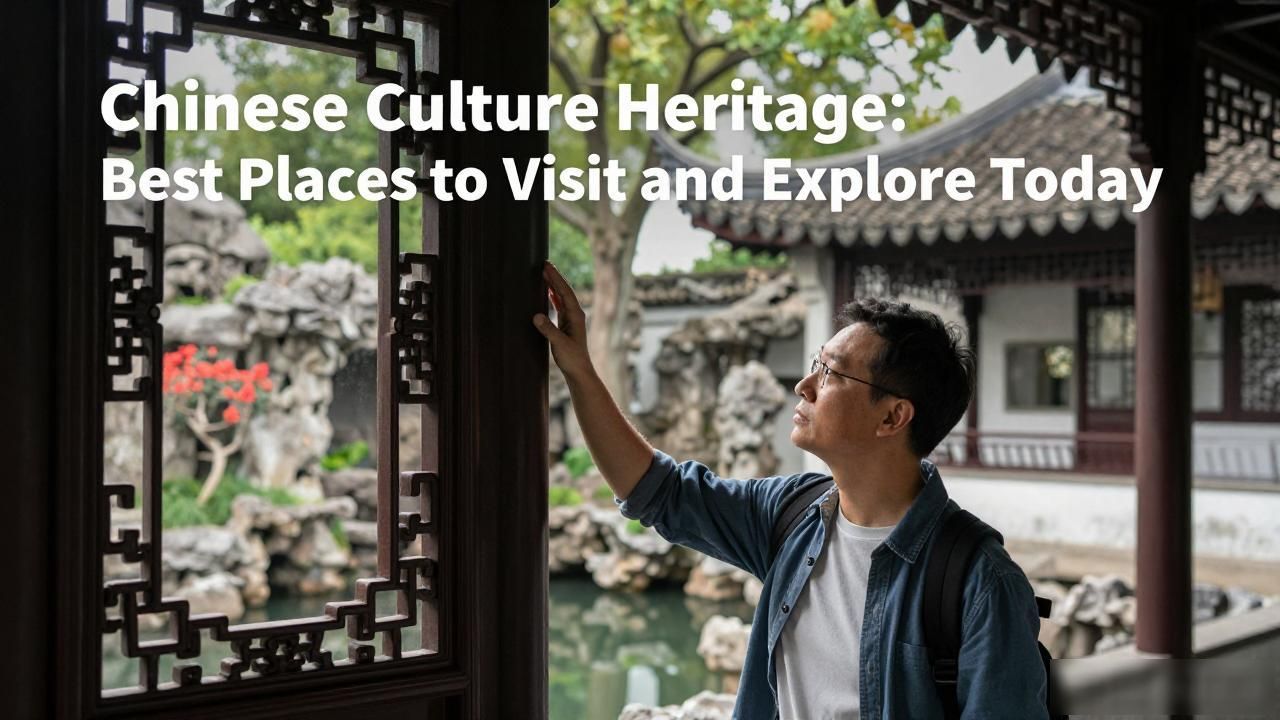
Where can foreigners experience chinese culture heritage firsthand
While books and documentaries can provide information, nothing compares to standing in the places where history was made. Beijing is the obvious starting point, but beyond the well-trodden path of the Forbidden City and the Temple of Heaven lies a city that is constantly negotiating its relationship with the past. The Hutongs, or narrow alleyways, offer a glimpse into traditional courtyard living that has existed for centuries. Here, you can hear the morning exercises of elderly residents practicing Tai Chi, watch locals playing chess in parks, and smell the aroma of roasted chestnuts from street vendors. Climbing the Great Wall at Mutianyu offers a physical connection to the past, reminding visitors of the sheer scale of human effort and the symbolic resilience of the nation. It is in these everyday moments that the spirit of the culture truly lives.
For those willing to travel further, Xi’an serves as the cradle of Chinese civilization. As the starting point of the Silk Road, this ancient capital holds layers of history that stretch back to the Han Dynasty. The Terracotta Army is a spectacular sight, but the true treasure lies in the city walls and the Muslim Quarter, where the fusion of cultures along the trade routes is still palpable. Exploring the Big Wild Goose Pagoda at dusk allows you to see how ancient religious structures coexist with modern urban energy. It is a city that reminds you that China has always been a crossroads of civilizations, absorbing and transforming outside influences into something uniquely its own. The interplay between the ancient and the contemporary is most visible here.
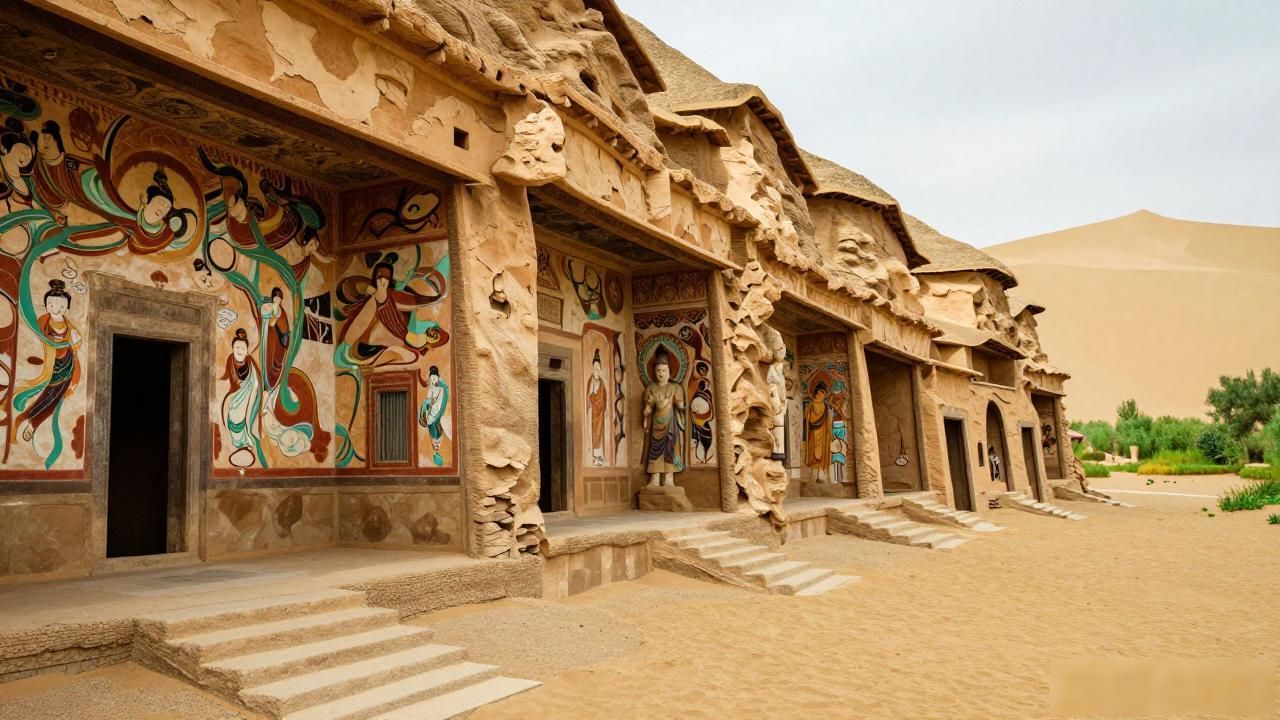
Further west, the desert oasis of Dunhuang reveals the spiritual dimension of this heritage. The Mogao Caves, carved into cliffs over a millennium ago,contain thousands of colorful murals and statues that tell stories of Buddhist mythology and daily life. The dedication required to create such artwork in such a remote location speaks volumes about the devotion that has driven Chinese culture. For a foreign visitor, walking through these dimly lit caves is a humbling experience. It is a stark reminder that while empires may fall and cities may be rebuilt, the human desire to express beauty and meaning through art is universal and enduring. However, this heritage faces threats from pollution and overtourism, making responsible travel essential for its preservation. By visiting these sites with respect, travelers can contribute to the ongoing story of China’s cultural legacy.
Engaging with Chinese culture heritage is not about memorizing dates or cataloging artifacts. It is about recognizing the threads that connect the present to a deep and complex past. It is about appreciating the artistry, the philosophy, and the sheer longevity of a civilization that has managed to maintain its identity across millennia. For the foreign observer, this engagement is a gateway to a richer, more nuanced understanding of the world. By exploring these treasures, we do not just learn about China; we learn about the diverse ways in which humanity has sought meaning, order, and beauty throughout history.