
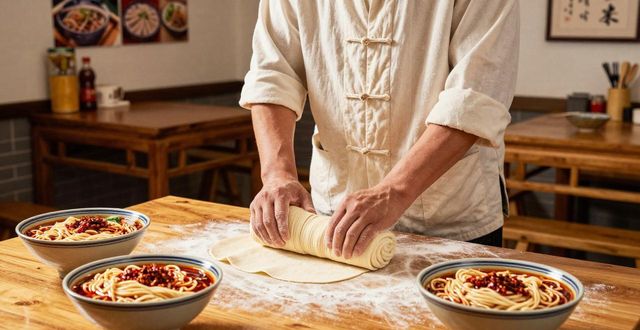
Xi’an, the ancient capital of China’s Tang Dynasty, is not only famous for the Terracotta Warriors but also for its incredible food culture. As a crossroads on the Silk Road, Xi’an developed a unique blend of Central Asian and traditional Chinese flavors. In this guide, I’ll walk you through the most authentic Xi’an food specialties that every traveler must try. From hand-pulled noodles to hearty breads, these dishes tell the story of a city where every bite has history.
What is the most famous noodle in Xi’an

The undisputed king of Xi’an noodles is Biang Biang Mian. These are thick, belt-like noodles made by slapping dough against a table until they stretch into long, wide ribbons. The name “biang” is an onomatopoeia for the sound of the dough hitting the surface. The noodles are served with chili oil, garlic, scallions, and usually topped with braised pork or tomatoes and eggs. The combination of chewy texture and spicy, savory sauce is addictive. You’ll find this dish in every local noodle shop, often made fresh right before your eyes.
Why is Xi’an known for its lamb dishes
Xi’an’s lamb cuisine comes directly from the Hui Muslim community, which has lived in the city for centuries. The most iconic dish is Yangrou Paomo, or “crumbled lamb bread soup.” You receive a dry, round flatbread (mo) and break it into tiny pieces by hand. Then the kitchen pours a rich lamb broth with tender meat and vermicelli over your crumbled bread. The key is to break the bread into pea-sized bits so it absorbs the broth without turning mushy. It’s a social, hands-on meal that warms you up on a cold day. Locals love eating it with pickled garlic and chili sauce.
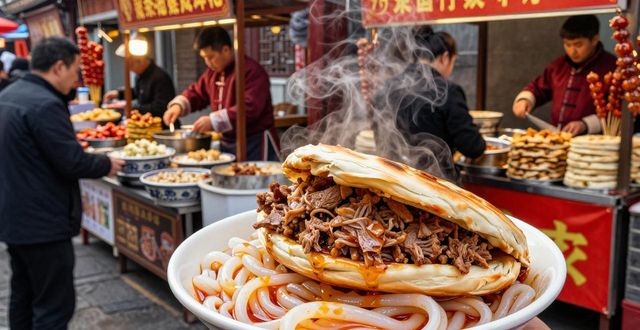
What is the best snack at the Muslim Quarter
The Muslim Quarter is a food maze, and the top snack to hunt for is Roujiamo. Often called the “Chinese hamburger,” it consists of a crispy, flaky flatbread stuffed with slow-braised pork or spiced beef. The bread is baked in a clay oven until golden and crunchy outside, yet soft and chewy inside. The meat is simmered for hours with star anise,ginger, and soy sauce, then chopped finely with fresh cilantro and green peppers. Each bite gives you a perfect balance of fatty, savory meat and aromatic bread. It’s cheap, portable, and deeply satisfying – grab one while walking through the bustling night market.
How do you eat Liangpi like a local
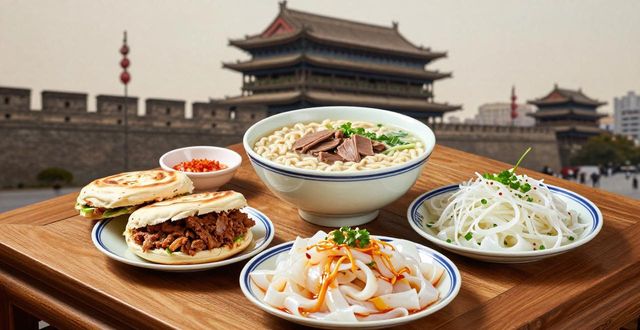
Liangpi is a cold noodle dish made from wheat or rice flour, and it’s a summer favorite in Xi’an. The noodles are steamed into jelly-like sheets, then cut into thick strips and topped with cucumber shreds, bean sprouts, and gluten puffs. The real magic is the sauce: a mix of dark vinegar, chili oil, sesame paste, minced garlic, and a pinch of MSG. Locals toss it vigorously before eating so every noodle gets coated. The dish is cool, slippery, and refreshing, with a spicy-sour kick that wakes up your taste buds. You’ll see street vendors selling it from metal carts, often with a long line of office workers at lunchtime.
Now it’s your turn: Have you ever tried a street food that completely changed how you think about a city’s culture? If yes, share your story in the comments – and don’t forget to hit like and share this guide with your travel buddies!