
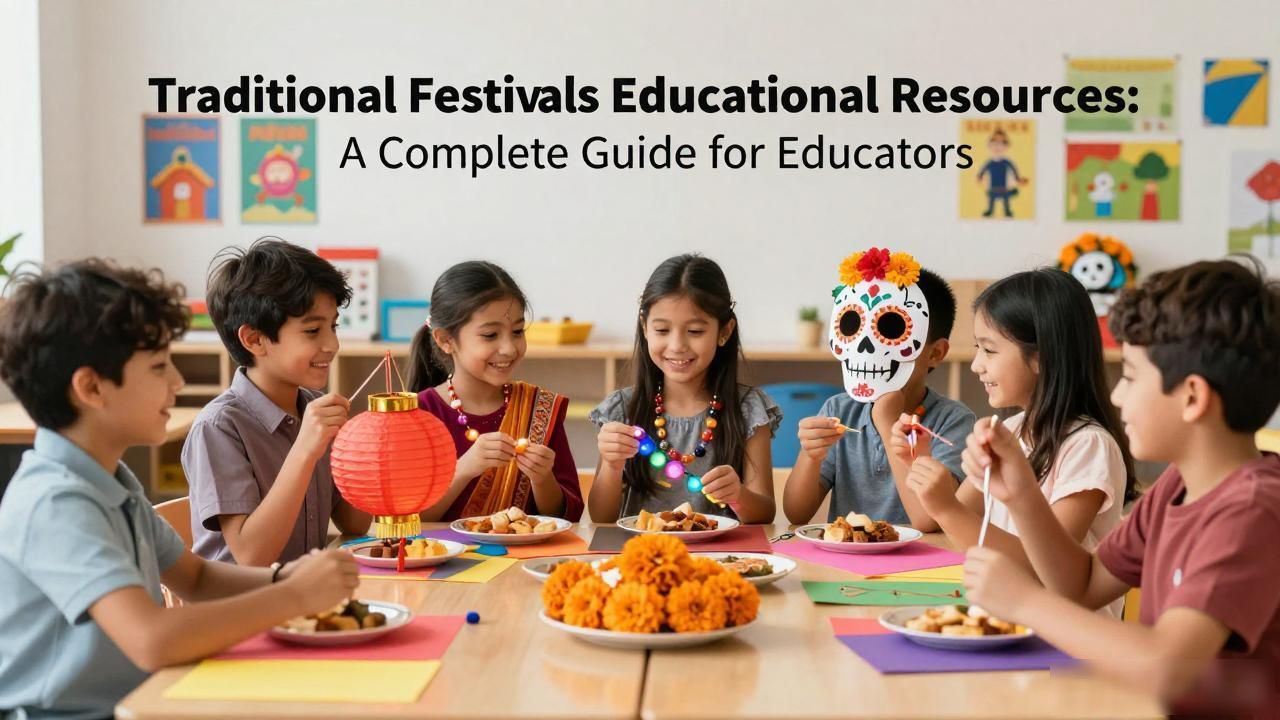
Traditional festivals are more than celebrations—they are living repositories of cultural knowledge, values, and history waiting to be explored in the classroom. For educators seeking meaningful ways to teach cultural awareness, these resources offer powerful tools to connect students with traditions from around the world. Whether you are designing a single lesson or an entire unit, understanding what is available and how to use it effectively can transform how your students experience and appreciate global heritage.
Why Teach Traditional Festivals in the Classroom
Incorporating traditional festivals into curriculum helps students develop cultural empathy and a deeper understanding of the world beyond their own experience. Teaching through festivals provides natural entry points into history, geography, science, language arts, and social studies, making interdisciplinary learning both accessible and engaging. Students who learn about Diwali, Lunar New Year, Hanukkah, Eid, Thanksgiving, or Carnival simultaneously gain exposure to diverse religious traditions, geographic regions, and human stories.

Beyond academic content, festivals carry emotional and social significance. They teach children about community, family bonds, gratitude, and shared joy. These universal themes resonate across cultural boundaries and help create inclusive classroom environments where every student’s heritage is valued and celebrated.
Practical Classroom Activities for Different Age Groups
Younger students thrive on sensory and creative experiences. Consider organizing a festival crafts station where children decorate lanterns during Mid-Autorumn Festival, make paper marigold garlands for Día de los Muertos,or paint Easter eggs while learning their symbolic meanings. Storytelling and role-play activities bring festivals to life — have students reenact the story behind Rosh Hashanah or perform a simple folk dance associated with a celebration they are studying.
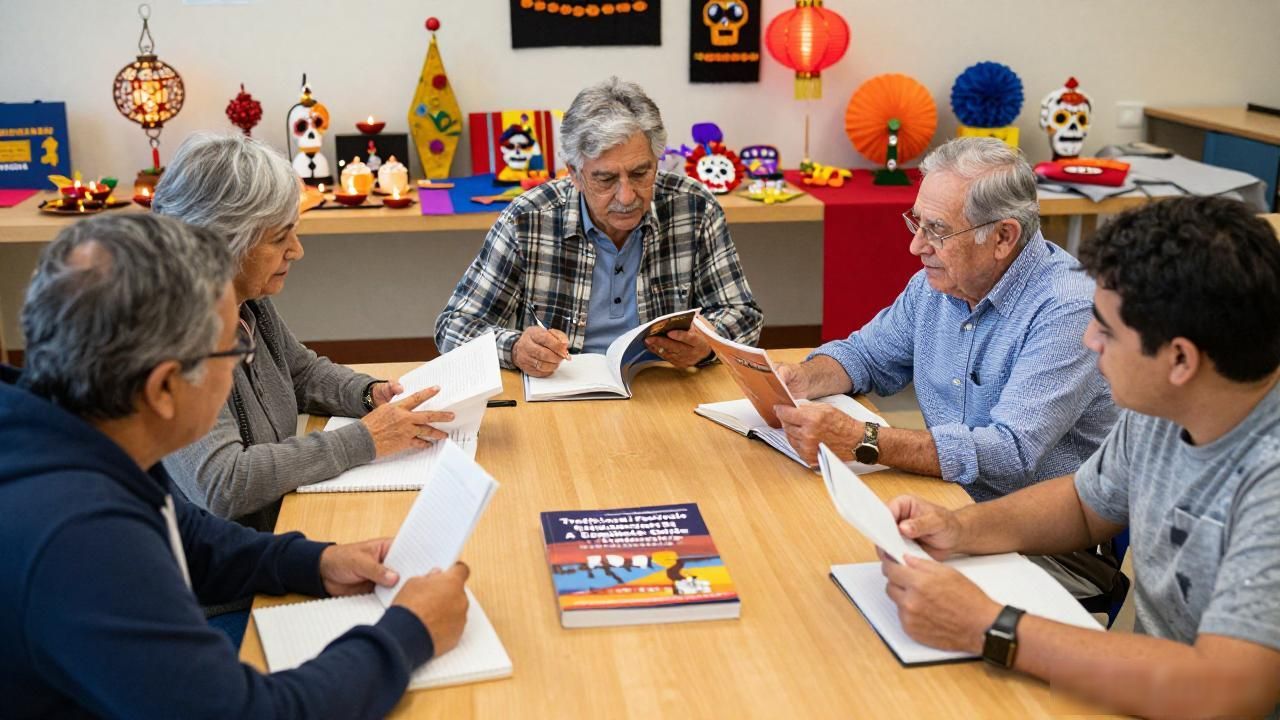
Older students benefit from research-based projects. Assign them to investigate the historical origins of a festival, compare how different cultures celebrate similar themes like harvest or renewal, or interview family members about personal traditions. A world festivals culminating exhibition allows students to present food, artifacts, music, and presentations, turning the classroom into a multicultural event space.
For secondary levels, connect festivals to current events and social studies. Examine how migration shapes festival observance in new countries, or explore the commercialization and cultural appropriation debates surrounding certain celebrations. These discussions develop critical thinking and respect for cultural sensitivity.
Where to Find Quality Educational Materials Online and Offline

A wealth of resources exists for teachers at every level. Government education portals in countries like China, India, Mexico, and Israel often publish free teaching materials in multiple languages. University museums and cultural institutions also provide downloadable curricula — the Smithsonian, the British Museum, and UNESCO all offer high-quality content specifically designed for classroom use.
Digital platforms have expanded access dramatically. Websites like National Geographic Education, Storyplace, and Global Schoolnet feature interactive lessons, videos, and primary source documents. Social media groups and teacher communities on platforms like Teachers Pay Teachers provide peer-reviewed materials created by practicing educators. For hands-on learners, libraries and cultural centers frequently host festival workshops and provide craft supply kits for classroom borrowing.