
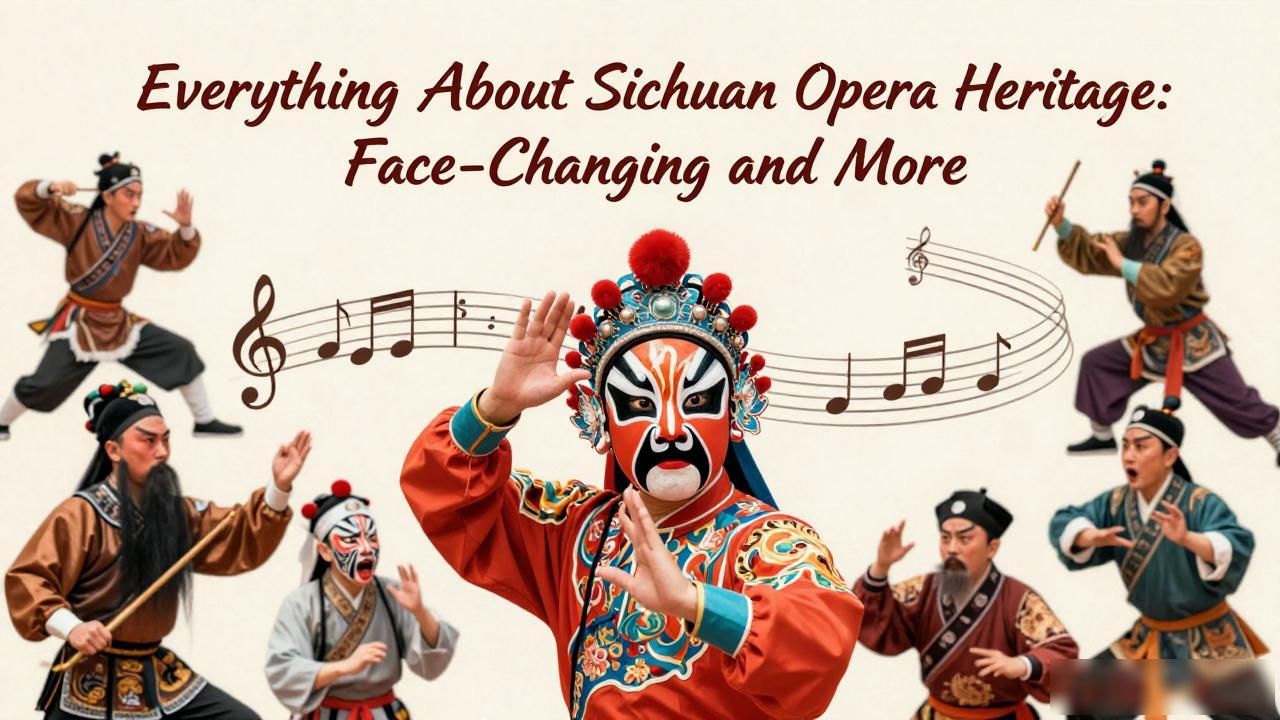
Sichuan Opera is more than a traditional performance art—it is a living cultural treasure that has captivated audiences for centuries. Originating from the Sichuan province in southwestern China, this unique art form blends music, acrobatics, storytelling, and spectacular visual effects into one unforgettable experience. Face-changing, or “Bian Lian,” remains its most famous element, drawing international attention and admiration. But the heritage of Sichuan Opera goes far beyond that single technique, encompassing a rich tapestry of regional traditions, folk legends, and artistic innovation that deserves protection and appreciation in the modern era.
What Makes Sichuan Opera Distinct

Sichuan Opera stands apart from other Chinese theatrical traditions due to its colorful fusion of multiple performance styles. The art form draws upon local folk songs, martial arts demonstrations, comedy routines, and dramatic storytelling, all woven together with distinctive musical accompaniment. The music itself relies heavily on traditional instruments such as the erhu and percussion, creating a soundscape that feels both ancient and alive.
One of the most extraordinary aspects of Sichuan Opera is the mastery required for face-changing performances. Trained artists use elaborate costumes and swift movements to swap masks in a fraction of a second. This technique tells the emotional journey of characters without a single spoken word. The ability to convey inner feelings through visual transformation represents one of the most sophisticated acting methods in world theater.
Beyond face-changing, performers showcase incredible physical skills including fire-breathing,staff fighting, and supernatural abilities performed on stage. These elements combine to create an immersive cultural experience that no video recording can fully capture. The energy in a live theater is electric and deeply moving.
Why Sichuan Opera Heritage Deserves Protection
As globalization spreads homogenized entertainment across the world, traditional art forms like Sichuan Opera face increasing threats. Younger generations often gravitate toward modern pop culture, leaving fewer apprentices willing to dedicate years to mastering demanding performance techniques. Many senior artists warn that without structured support, some performances risk being lost forever.
Government efforts and cultural organizations have stepped in to preserve this heritage through educational programs, museum exhibitions, and performance subsidies. Schools in Sichuan province now incorporate traditional opera into their curricula, introducing children to the art at an early age. These initiatives provide hope that the tradition will endure.
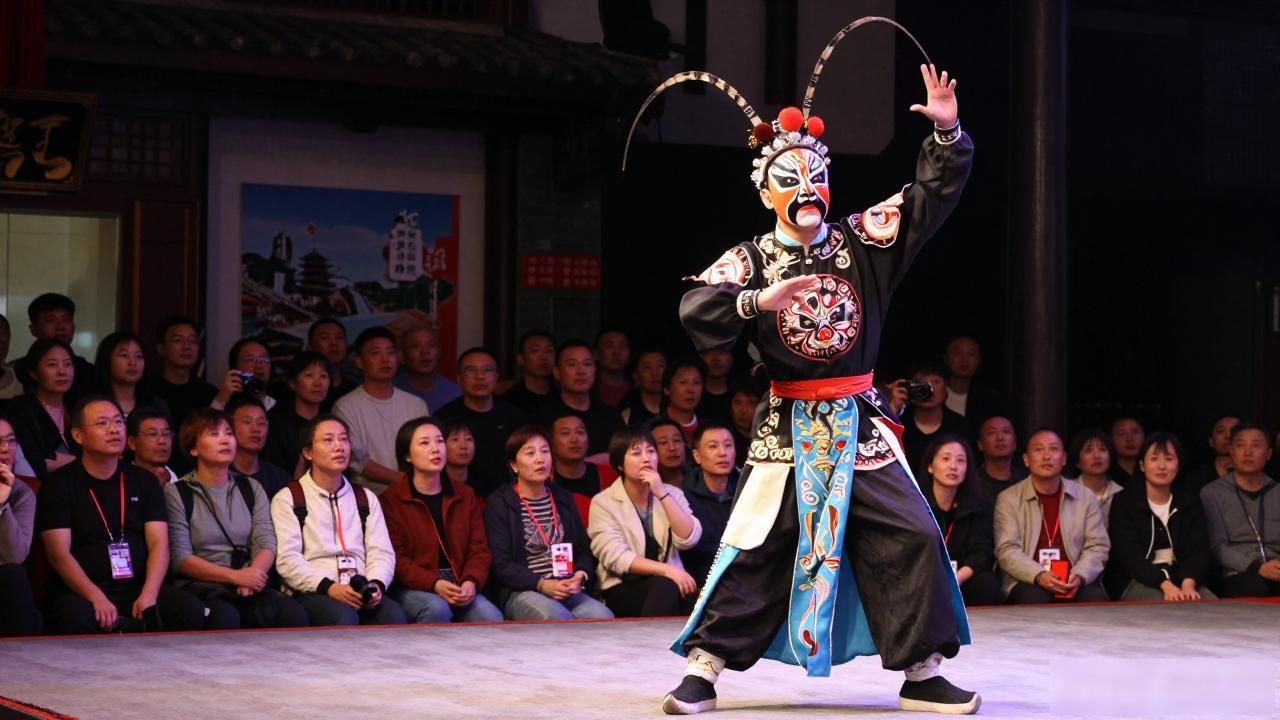
Tourism also plays a significant role in sustaining Sichuan Opera. Visitors from around the world travel to Chengdu specifically to witness live performances, providing both economic support and global exposure. When tourists engage with authentic cultural experiences, they become ambassadors for preservation efforts worldwide.
The future of Sichuan Opera depends on balancing tradition with innovation. Modern productions experiment with contemporary themes while respecting classical techniques. This evolution ensures the art remains relevant without losing its core identity. As long as passionate performers and supportive communities continue to invest in this heritage, Sichuan Opera will survive and thrive for generations to come.