
When you think of Beijing’s food scene, it’s easy to picture a single image: a tourist squeezing into a crowded restaurant for roast duck. But the real story is far richer. Authentic Beijing cuisine is a layered experience, blending centuries of imperial history with the gritty, bustling energy of modern street life. For foreigners seeking something beyond the glossy brochures, the challenge lies in knowing where to look and what to actually order. The city rewards the curious with flavors that are earthy, savory, and deeply satisfying. This guide cuts through the noise to focus on the dishes that locals still revere and the spots that feel genuinely local.
What is the Must-Try Street Food in Beijing

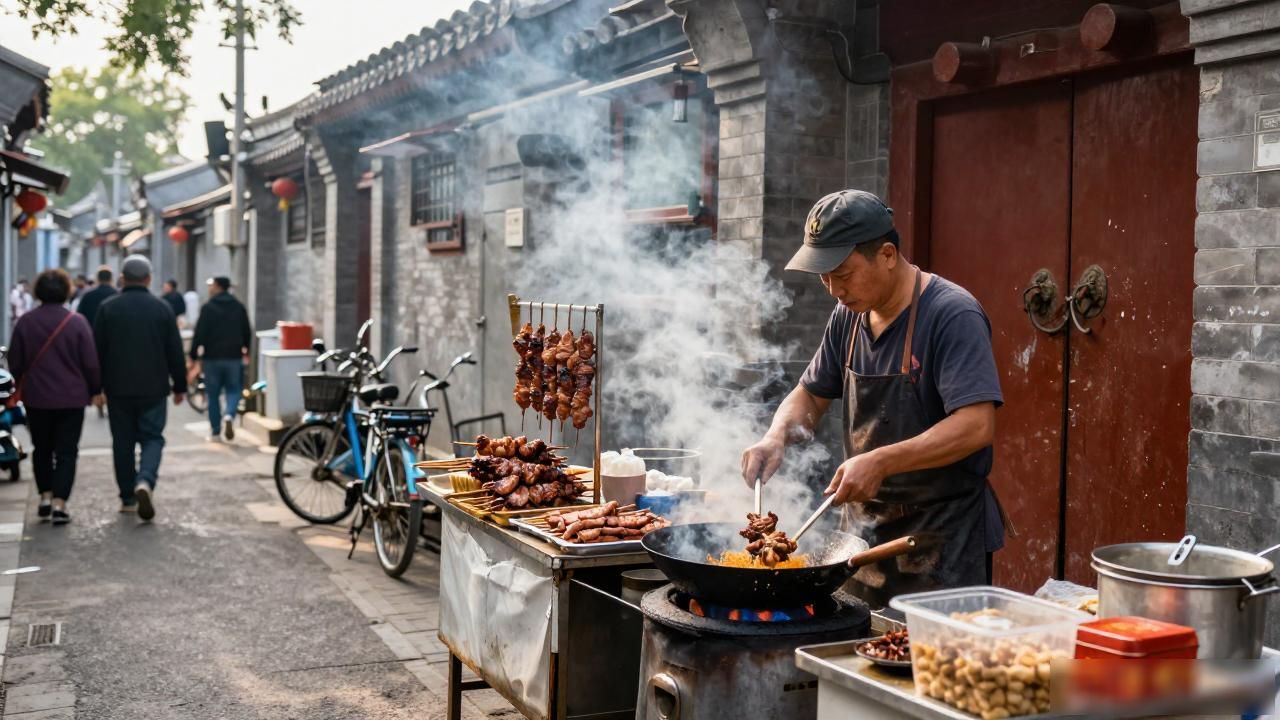
If you want to taste the Beijing that tourists rarely see, you have to go where the air smells of cumin and charred meat. Zhalong Street is the place for this kind of exploration. It’s not just about eating; it’s about navigating a sensory overload of sizzling woks and shouting vendors. You’ll find lamb skewers grilled over open flames,their fat dripping away to create smoke that flavors every bite. Don’t overlook the jianbing, the savory crepe folded around a crispy cracker. It’s the ultimate quick breakfast, eaten standing up on the corner. The key is to follow the locals in line. If the queue moves fast and the food comes out hot, you’ve found your spot. These small stands offer a direct link to the everyday rhythms of the city, free from the staged authenticity of hotel buffets.
Where to Eat Old-School Beijing Dishes
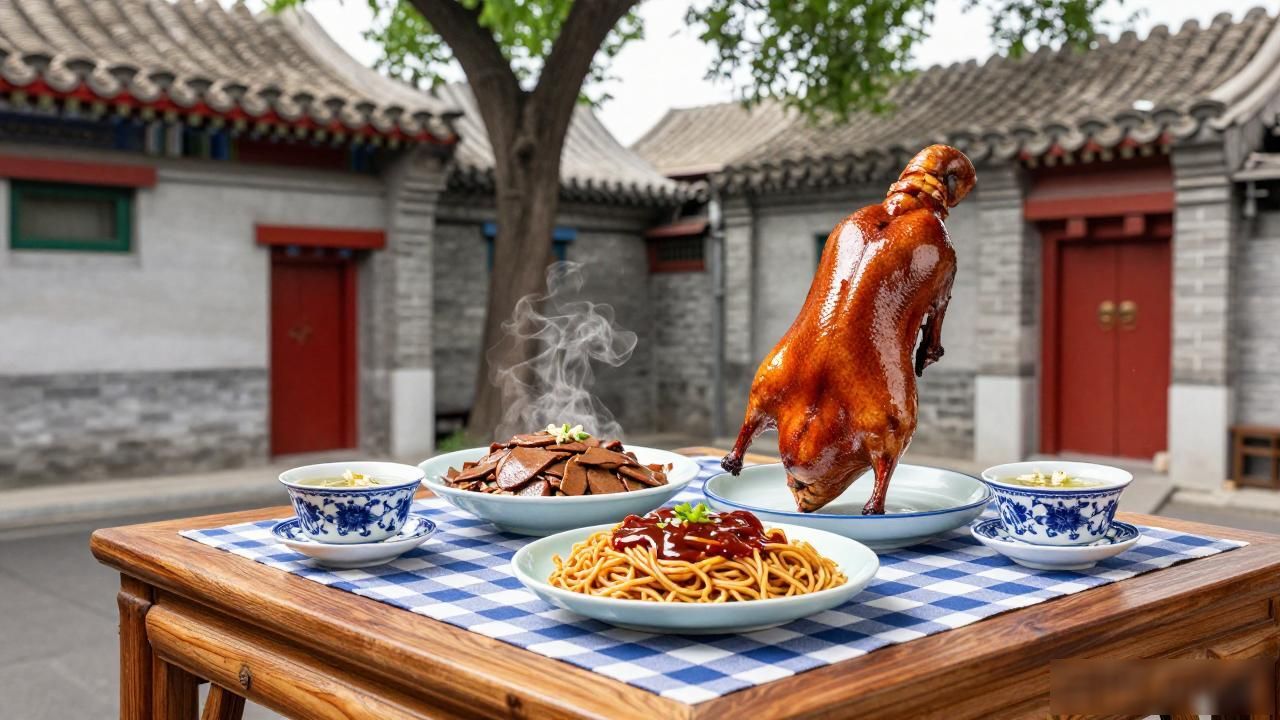
Moving past the street stalls, there is a whole world of traditional home-style cooking waiting to be discovered. Quanjude might get the fame, but locals head to Siji Minfu. This chain has mastered the art of rotisserie duck without the overwhelming crowds of the original. The skin comes off in crisp shards, melting into the tender meat beneath. It’s a texture contrast that defines the dish. Pair it with sweet bean sauce and thin pancakes, but don’t stop there. Try the fish-fragrant eggplant, a dish that sounds strange but delivers a perfect balance of sweet, sour, and spicy notes. It’s a testament to how Beijing cooking borrows from across China while keeping its own distinct, hearty character. This is the food of family dinners and special occasions, cooked with patience and tradition.
How to Experience a Proper Beijing Hotpot
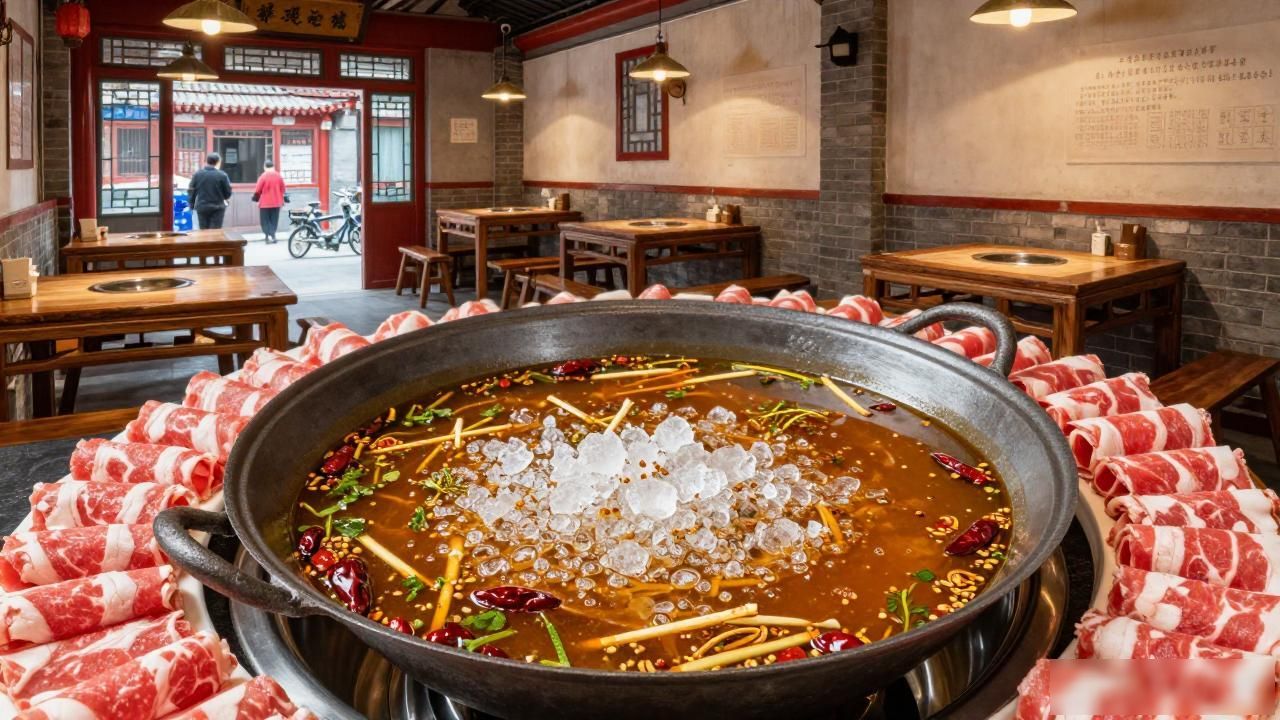
No discussion of Beijing food is complete without mentioning the hot pot. But forget the fancy, all-you-can-eat chains for a moment. Haidilao is great for service, yet locals prefer Xiaolongkan. Here, the broth is the star, simmering for hours with dried herbs and rock sugar. You dip paper-thin slices of hand-cut lamb, watching them cook in seconds. The dipping sauce is your personal canvas: sesame paste, chopped cilantro, fermented tofu, and a dash of chili oil. The experience is communal and loud, a sharp contrast to the quiet refinement of imperial banquets. It’s messy, interactive, and deeply warming. For foreigners, it’s a fun way to practice chopstick skills while bonding with new friends over bubbling pots. This is the soul of Beijing winter dining, raw and unpretentious.