
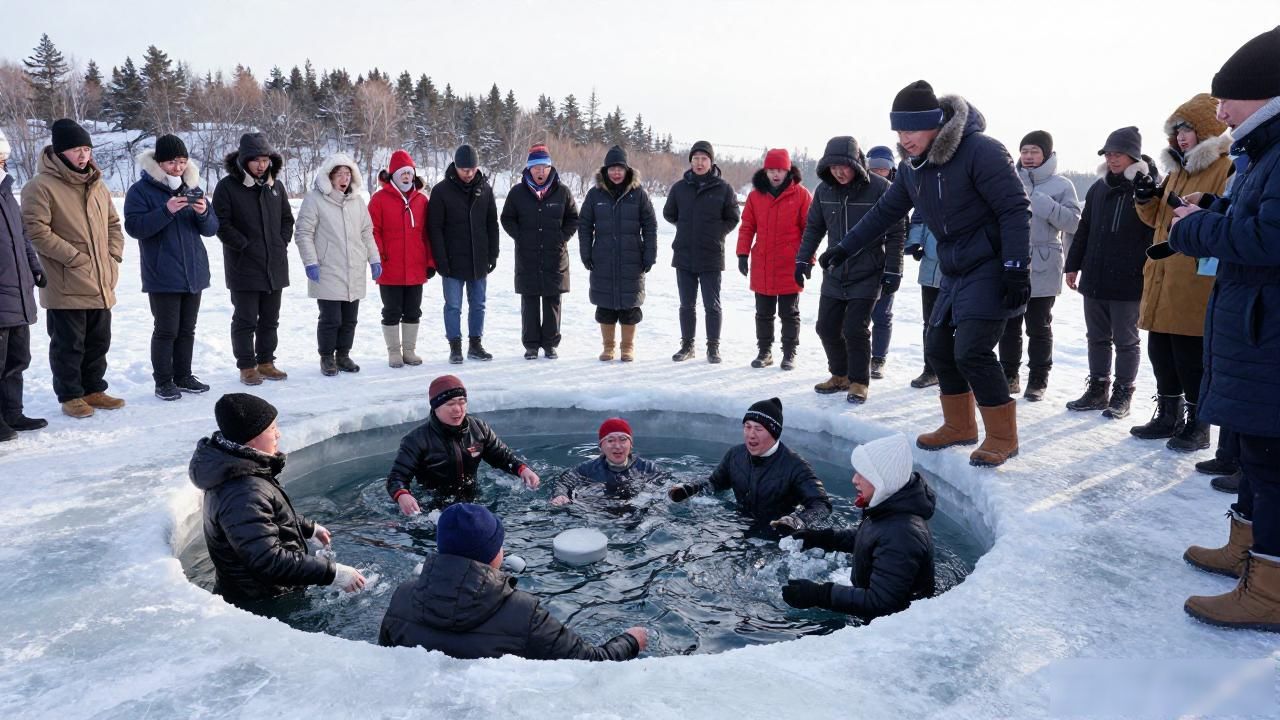
Harbin winter swimming wonderland is not just a tourist slogan—it’s a real, jaw-dropping spectacle that happens every single day when the thermometer drops to minus 25 degrees Celsius. For travelers who think they’ve seen it all, watching grown adults plunge into a hole cut in the frozen Songhua River is the kind of experience that rewires your understanding of human endurance. This isn’t a performance staged for cameras; it’s a daily ritual practiced by hundreds of local swimmers, most of them over 50 years old, who swear by the health benefits of a good ice-cold shock to the system.
Why do people swim in freezing water?

The question every visitor asks is the same: why would anyone voluntarily jump into water that would kill an average person within minutes? The answer goes deeper than simple thrill-seeking. For the swimmers of Harbin, this is a lifestyle rooted in decades of tradition. Many started swimming in the river as children during summer, and simply refused to stop when winter came. They describe the sensation as a total body reset—blood rushes, endorphins flood, and for hours afterward, you feel an inexplicable warmth radiating from your core. Local doctors who swim here claim it boosts circulation and strengthens the immune system, though they’re quick to add that beginners should never attempt it without months of gradual cold adaptation.
What does a winter swimming session look like?
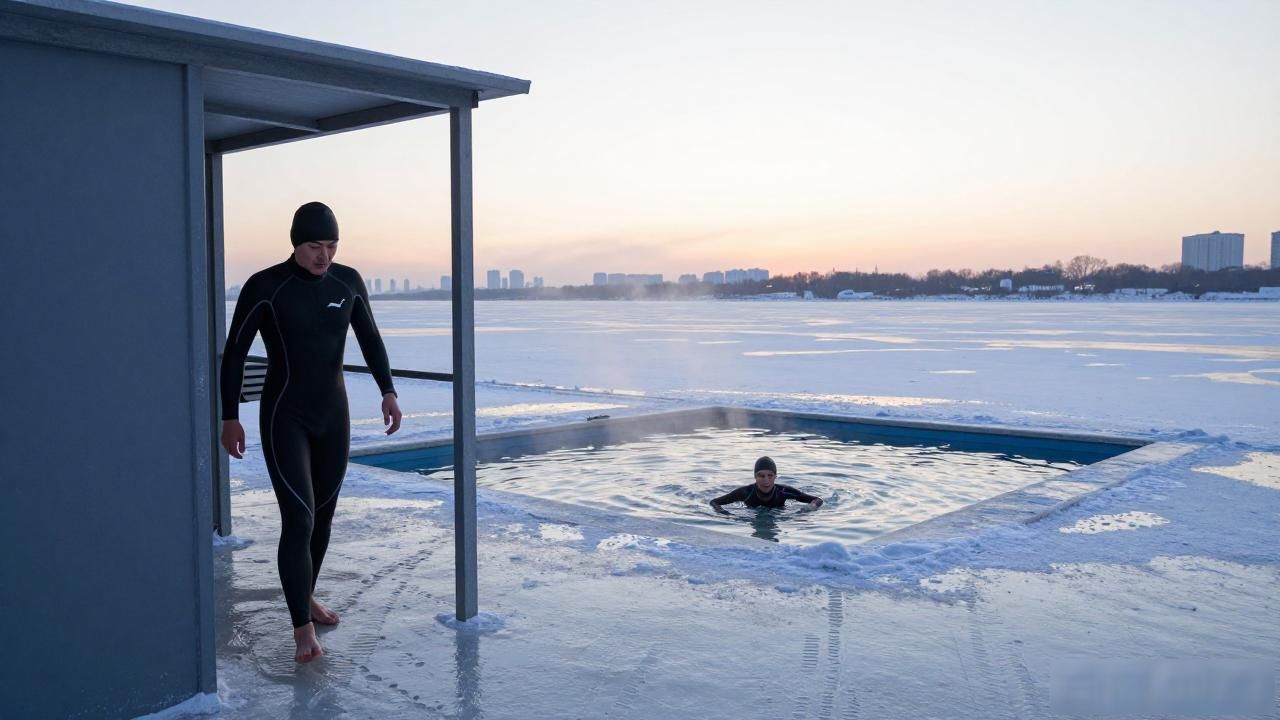
Arrive at the riverbank around 6 a.m. and you’ll see the scene unfold with military precision. Swimmers strip down to swimsuits in heated changing huts, then walk barefoot across the ice—yes, barefoot—to a rectangular pool carved directly into the frozen river. The water temperature hovers around zero degrees Celsius, while the air is often colder. Swimmers enter with a controlled dive, swim a few quick strokes, and get out within two minutes. No lingering, no splashing around. Towels are waiting, and within seconds they’re wrapped in thick robes, laughing and chatting as if they’d just stepped out of a sauna. The contrast between the extreme cold and their rosy, smiling faces is something you’ll never forget.
What should tourists know before visiting?
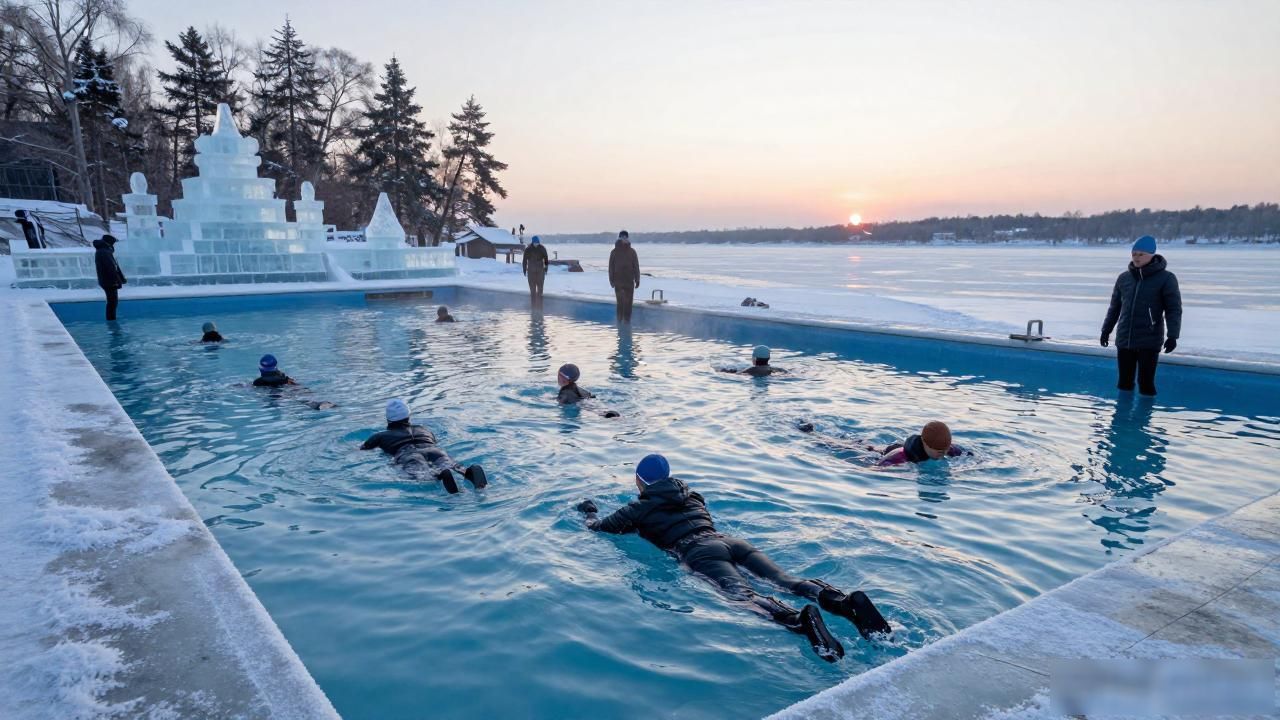
If you want to witness Harbin winter swimming wonderland, timing is everything. The best window is from late December to late February,when the ice is thick enough to safely support the swimming pool structure. Visit between 6 a.m. and 8 a.m. for the most active sessions, though afternoon swims also happen. Dress in layers—thermal underwear, wool socks, and a heavy down jacket are non-negotiable. Bring hand warmers and a camera with a spare battery, because cold drains power fast. And please, do not ask the swimmers if you can try it yourself unless you’ve done cold-water training. They’ll politely refuse, and for good reason.
Watching these swimmers is to witness a profound act of human will. They’re not performing for applause; they’re simply living their truth. In a world where comfort is king, these men and women choose to greet each morning with a shock that reminds them they’re alive. That’s the real magic of this wonderland—it’s not about the cold, but about the fire inside the people who conquer it. If you’re planning a trip to Harbin, put this on your list. You won’t just see something amazing; you’ll leave with a new respect for what the human body and spirit can endure.