
Harbin, the capital of Heilongjiang province in northeastern China, is world-famous for its ice and snow festival. Yet beyond the dazzling sculptures and bustling tourist streets, the region offers a remarkable winter wildlife viewing experience. From hardy birds to elusive mammals, the frozen landscapes host creatures perfectly adapted to extreme cold. This guide shares essential insights for foreign travelers who want to observe Harbin’s winter wildlife responsibly and safely.
What animals in Harbin winter
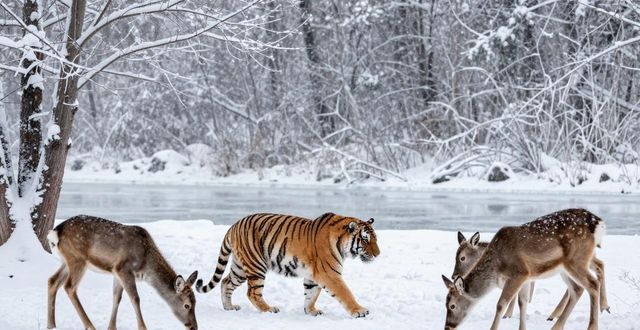
Despite the biting cold, several animal species thrive in Harbin’s winter. The Siberian tiger, though mostly found in reserves like the Siberian Tiger Park, is a majestic sight. These big cats become more active in cooler temperatures, making winter an ideal time to see them. You might also spot roe deer, wild boars, and red foxes in the forests surrounding the city. Birdwatchers can look for the Ussurian bullfinch, Japanese waxwing, and various woodpeckers that stay year-round.

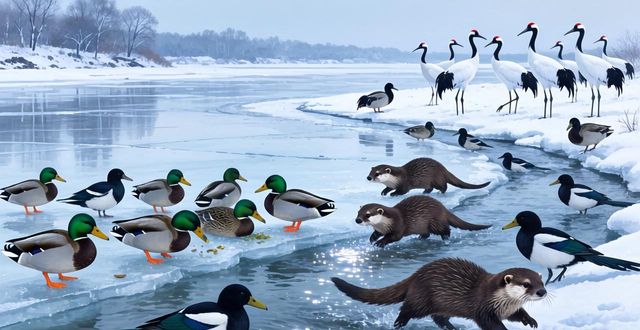
Along the frozen Songhua River, watch for wild ducks like mallards and goldeneyes that gather in open water patches. The Eurasian otter occasionally appears near unfrozen streams. For those willing to venture to the Zhalong Nature Reserve a few hours away,the endangered red-crowned crane can sometimes be seen in winter, though they are rarer. Remember that many animals have thick winter coats and camouflage, so patience and a pair of binoculars are essential.
When to see winter wildlife
The prime winter wildlife viewing window in Harbin runs from mid-December to late February. During this period, temperatures are consistently below freezing, and snow cover forces animals to come out for food. Early morning, just after sunrise, is the best time of day. Many mammals, like hares and foxes, are most active during twilight hours. Avoid midday when temperatures are slightly warmer but animals often rest.
Late January to early February, around the Chinese New Year, can be busy with tourists, but wildlife activity remains high. If you prefer fewer crowds and still good sightings, plan for early December or late February. Snowfall days often trigger increased animal movement as they search for shelter or food. Check local weather forecasts; a fresh snow cover makes tracking footprints easier. Also, note that some reserves have winter feeding stations, which attract wildlife predictably.
Where to find winter wildlife
The easiest and most reliable spot is the Siberian Tiger Park, where you can see over 500 tigers in a semi-natural environment. For wilder experiences, head to the forests around the Yabuli Ski Resort area. The Wuchang Phoenix Mountain Nature Reserve, about two hours from Harbin, offers chances to see sables, hazel grouses, and even the occasional lynx. The Songhua River’s undeveloped banks, especially near the backside of Sun Island, host waterfowl like goldeneyes and mallards.
Do not overlook the botanical gardens and forest parks within Harbin city, such as the Harbin Forest Botanical Garden. These places have feeders that attract chickadees, nuthatches, and woodpeckers. For a more adventurous trip, hire a local guide to explore the Lesser Khingan Mountains (Xiaoxing’anling), a few hours north. That region has higher densities of roe deer, wild boars, and the rare Amur leopard cat. Always stay on marked trails for safety and to avoid disturbing the animals.
How to watch wildlife safely
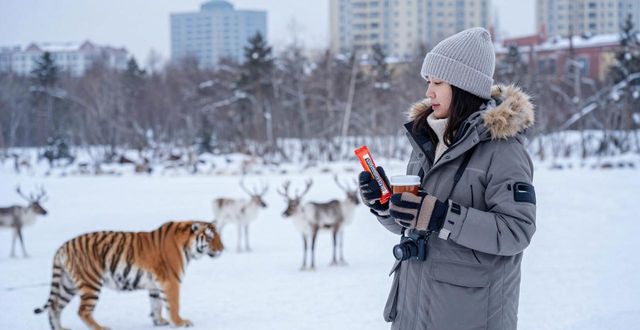
Dress in layers with thermal underwear, insulated boots, and a windproof outer layer. Temperatures can drop to -30°C (-22°F). Keep your camera batteries warm inside your coat, as cold drains them quickly. Bring high-energy snacks and a thermos of hot tea. Do not approach or feed wild animals, especially tigers or wild boars, which can be dangerous. Use binoculars or a telephoto lens for close-up views instead of getting too close.
Respect the animals’ need for space. Sudden movements or loud noises can startle them and cause stress. Follow all park rules and stay behind barriers. If you hire a guide, choose one with wildlife ethics training. Consider joining a small group tour to minimize disturbance. Finally, pack out all trash; litter can harm animals that might ingest it. By being responsible, you help preserve Harbin’s winter wildlife for future visitors.
After exploring Harbin’s frozen wonderland and its resilient creatures, what unexpected wildlife encounter would make your winter trip unforgettable? Share your thoughts in the comments below, and if you found this guide useful, give it a like and share with fellow adventurers.