
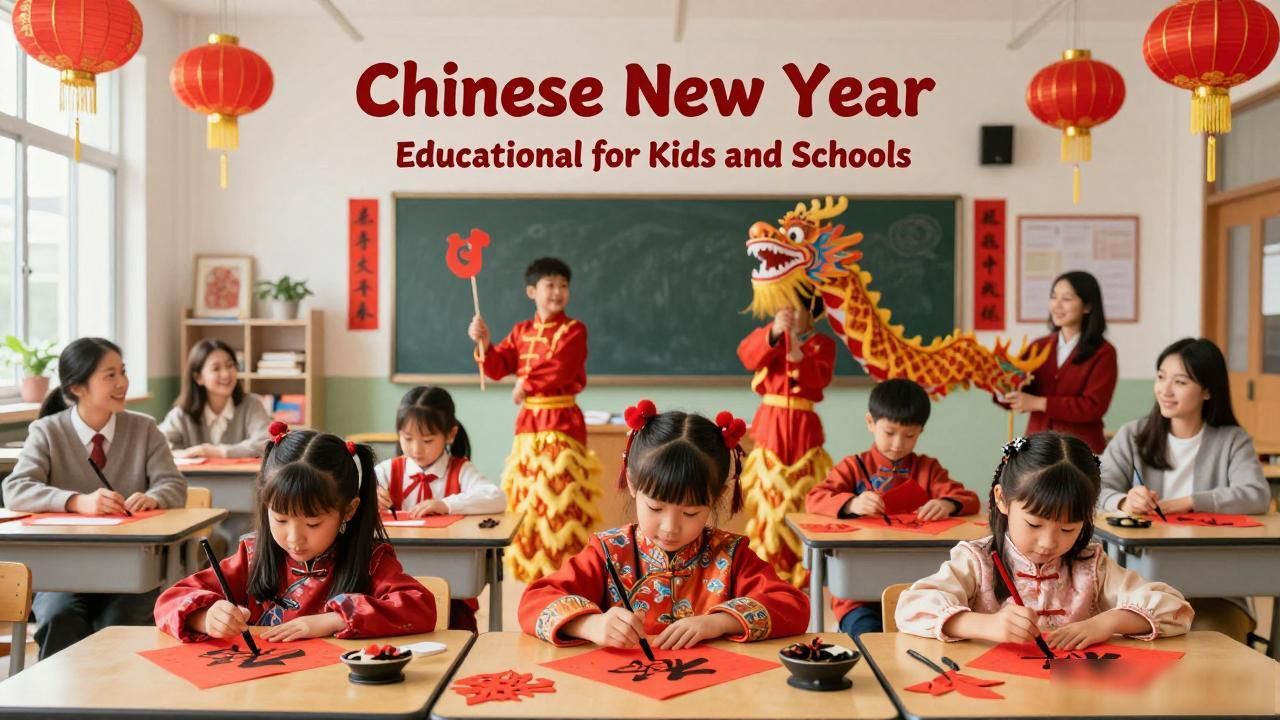
If you’re searching for Chinese New Year educational programs, you’ve come to the right place. This festive occasion offers an incredible opportunity to teach children about Chinese culture, traditions, and history in a fun and interactive way. Whether you’re a teacher, homeschooling parent, or program coordinator,this guide will walk you through the best ways to bring the spirit of Chinese New Year into your classroom or home.
What Are Chinese New Year Educational Programs
Chinese New Year educational programs are structured activities designed to help students learn about the cultural significance of one of the most important festivals in Chinese tradition. These programs typically include hands-on crafts, storytelling, cooking, and performances that bring the holiday to life. Teachers often start with the legend of Nian, the mythical beast, to capture students’ imaginations before diving into customs like red envelopes, lion dances, and family reunions.

Such programs are especially popular in international schools and multicultural communities where children benefit from learning about traditions outside their own. Many schools organize full-week celebrations that culminate in a performance or exhibition for parents. The key to success is making the content age-appropriate and engaging so that students remain interested throughout the entire experience.
Why Should Schools Offer Chinese New Year Programs
Offering Chinese New Year educational programs in schools helps students develop cultural awareness and empathy. In an increasingly globalized world, understanding different traditions is more important than ever. These programs provide a structured way to introduce students to Asian culture while also encouraging respect and appreciation for diversity. Children learn that celebrations around the world share common themes of family, hope, and renewal.
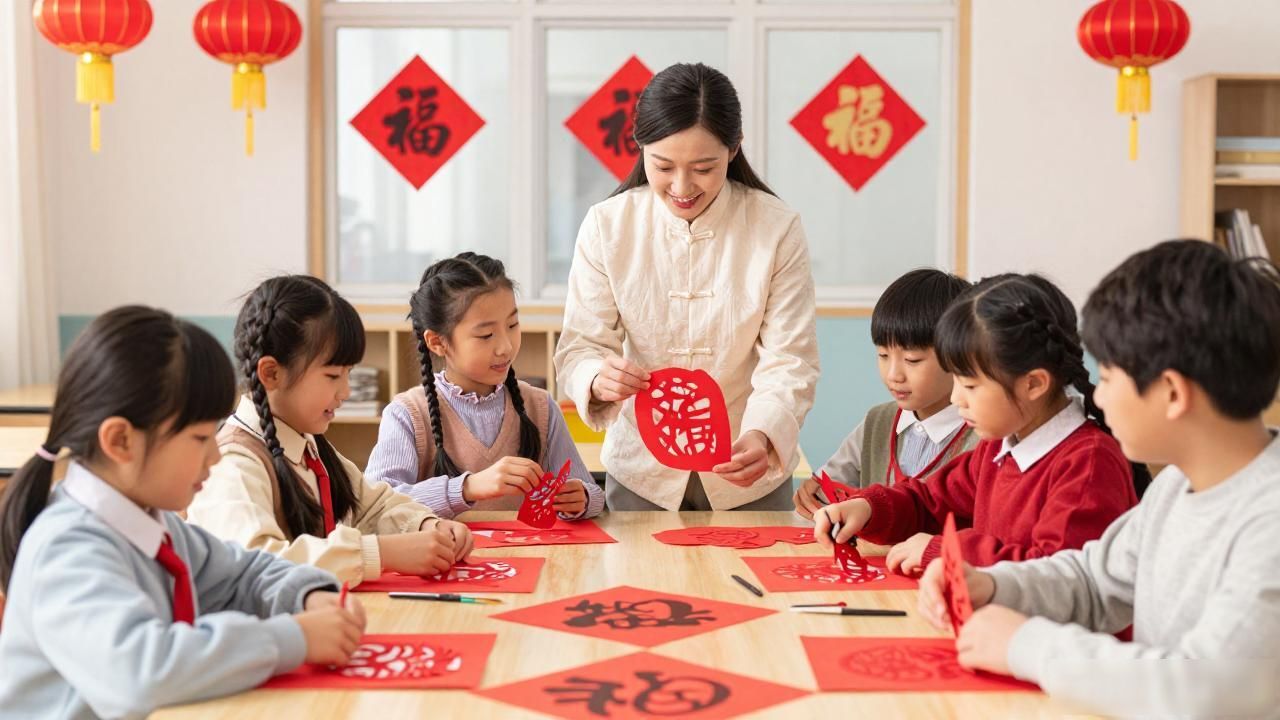
Parents also appreciate these programs because they give children a chance to connect with their own heritage if they have Chinese roots. For students without that background, it’s an eye-opening experience that broadens their worldview. Schools that incorporate these programs tend to see improved student engagement and participation during the winter months when motivation can sometimes dip.
Another benefit is the cross-curricular nature of these activities. Chinese New Year programs can integrate language arts through storytelling, mathematics through calculating the lunar calendar, art through paper-cutting and lantern-making, and even science through discussions about why the festival date changes each year. This multi-subject approach makes learning more memorable and meaningful.
How to Plan a Chinese New Year Program at Your School

Planning a successful Chinese New Year educational program starts with setting clear learning objectives. Decide what you want students to take away from the experience and build your activities around those goals. Consider forming a committee of teachers, parents, and community members who can contribute different perspectives and resources. Collaborating with local Chinese cultural organizations can provide authentic materials and guest speakers that enrich the program significantly.
Scheduling is another crucial factor. Chinese New Year falls between late January and mid-February, so plan your events accordingly. Some schools hold a single assembly, while others spread activities across a full week. Include a mix of indoor and outdoor activities, quiet reflection time, and lively celebrations. Don’t forget to invite families to participate — a dumpling-making workshop or a lion dance demonstration at home can be just as valuable as classroom lessons.