
When foreigners arrive in Chongqing, the one thing they worry about most is transportation. It is a mountain city where roads twist in impossible ways, buildings tower over streets, and even the map makes no sense. But here is the good news: Chongqing has built one of the most complete and affordable public transportation systems in all of China. Once you understand how it works, getting around becomes effortless.
Which Metro Lines Should You Take in Chongqing
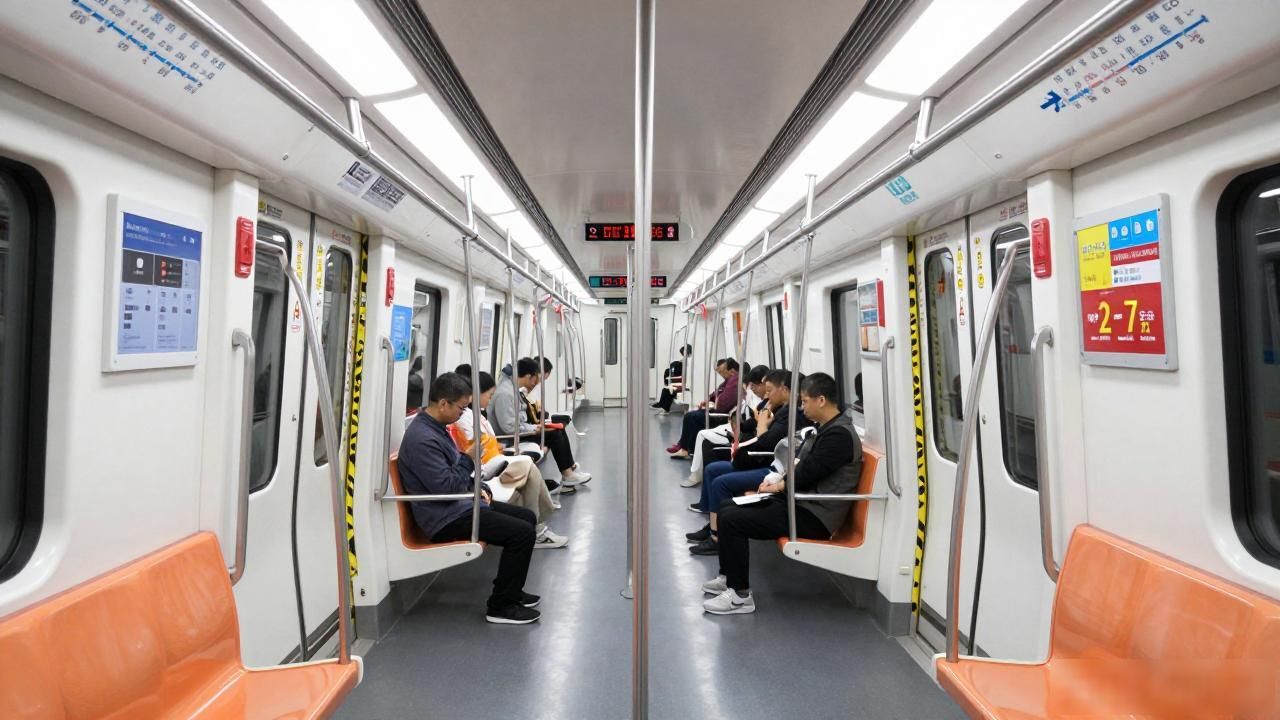
Chongqing’s metro system is the backbone of the city. The Chongqing Rail Transit network now stretches across multiple districts with twelve operational lines, and new routes are being completed regularly. For first-time visitors, three lines cover almost everything worth seeing. Line 1 runs east to west through the main urban core, connecting the railway station to the Grand Theatre area. Line 2 is the famous monorail line that takes you along the Yangtze River,passing Hongya Cave and Lianglukou where the train actually goes through a residential building. Line 3 connects the airport directly to the city center, which alone makes it worth knowing about.

Metro trains are clean, air-conditioned, and extremely cheap. A typical ride costs between two and seven yuan, depending on distance. The stations display signs in both Chinese and English, and the announcements are bilingual. You can pay with cash, bank cards, or mobile payment apps. Download Alipay or WeChat Pay before arriving if possible, because buying single-journey tickets at the counter can feel awkward without any Chinese.
The metro usually runs from about six thirty in the morning until ten thirty at night. Trains come frequently during peak hours, sometimes every three to four minutes on busy lines. If you miss one, do not panic. Wait just a moment and the next will arrive soon.
How to Cross the Rivers Using Ferries and Cable Cars
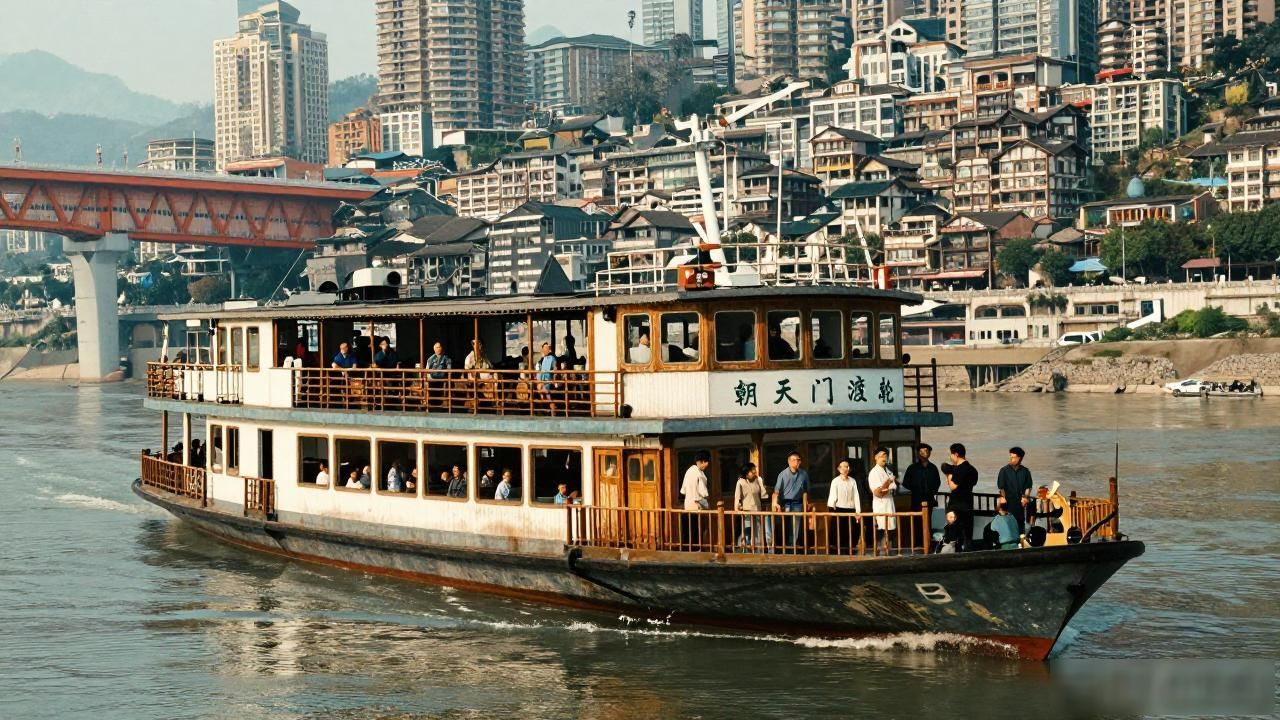
Crossing the two great rivers of Chongqing is not just practical, it is an experience you should never skip. The Yuzhong Peninsula is surrounded by the Jialing River and the Yangtze River, and ferries have been connecting the hillsides for over a century. The most popular ferry route runs between Chaotianmen and Nan’an, costing only one yuan per crossing. Ferries offer the cheapest and most scenic way to travel between the north and south banks of the Yangtze. The ride takes about fifteen minutes, and you get stunning views of the skyline from the water.
There is also the historic Chongqing Yangtze River Cableway, which opened in nineteen八零 and remains one of the longest urban cable car lines in the world. It connects Jiangbei District with Yuzhong, and the ticket price is reasonable for what it offers. Going during sunset is particularly magical, because the city lights begin to flicker on as the sky turns purple and gold.
The cable car can get crowded, and you may wait in line for thirty minutes or more during holiday seasons. If you are visiting on a weekend or a Chinese public holiday, consider taking the metro instead and using the cable car only on your way back if time permits.
Should You Use Buses, Taxis, or Ride-Hailing Apps
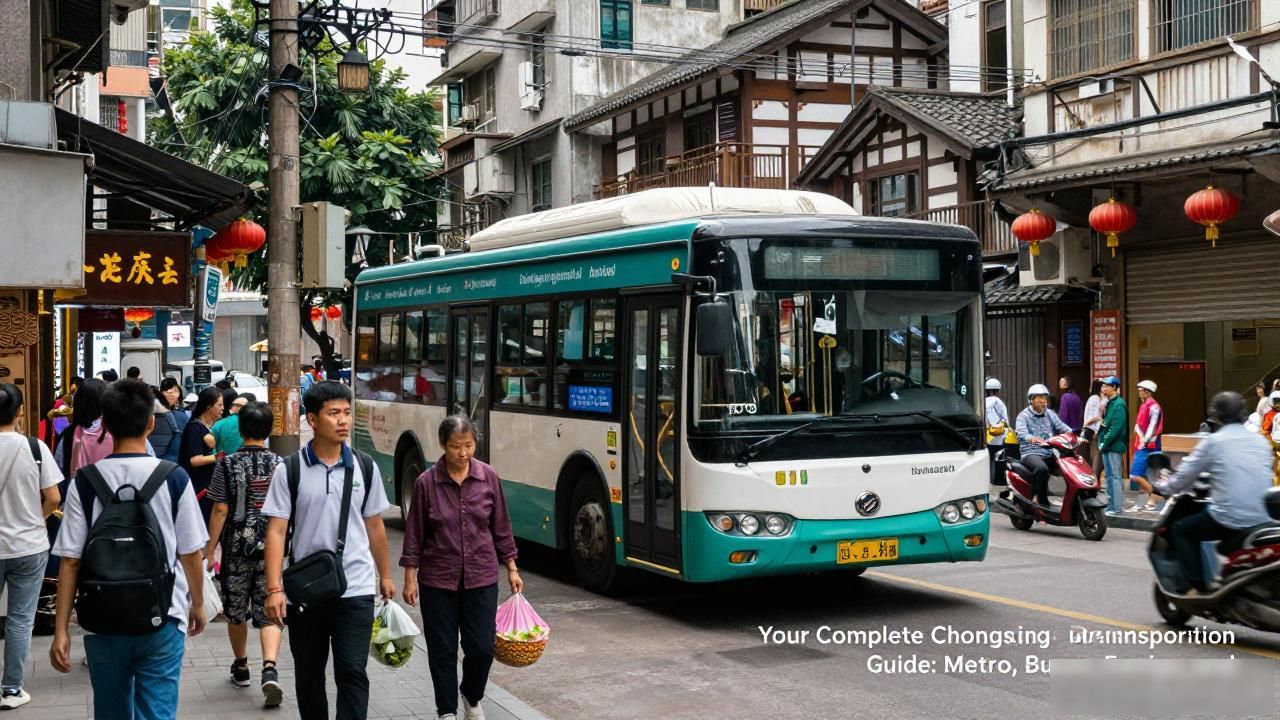
Buses cover areas that the metro does not reach. They are slow during rush hour, but they are extremely cheap and go everywhere. Many routes now have English route names displayed above the doors, which makes it slightly easier to identify the right one. If you are short on time, buses are probably not your best option because traffic in the older parts of the city can be frustratingly slow.
Taxis are widely available and inexpensive compared to Western cities. A typical ride within the city center costs between ten and twenty yuan. Make sure the driver uses the meter, because some might try to charge you a flat rate if they think you are a foreigner. If the taxi does not have a meter, just walk away and find another one. It is a common situation, and it never hurts to be prepared.
Didi, the Chinese version of Uber, works very well in Chongqing. You can book a car through the app in English, choose your destination, and pay automatically. This removes the language barrier entirely and saves you from negotiating fares with drivers. For late-night travel or when you have heavy luggage, Didi is the smartest choice.