
Which Wildlife Can You See in Harbin Winter
Harbin’s winters transform the land into something almost otherworldly. I came here twelve years ago with a camera and a dream, and the wildlife has never stopped surprising me. The golden eagles circle above frozen river valleys, their wings spanning nearly three meters, hunting for any movement in the snow. You learn to watch the sky as much as the ground.
Red-crowned cranes migrate south and some choose the wetlands just outside Harbin for the winter. These elegant birds, one of the rarest crane species in the world, stand tall against the white landscape. Their black wingtips flash as they take flight, creating moments that stay with you forever. Finding them takes patience, but the payoff is unlike anything else in China’s wildlife circuit.

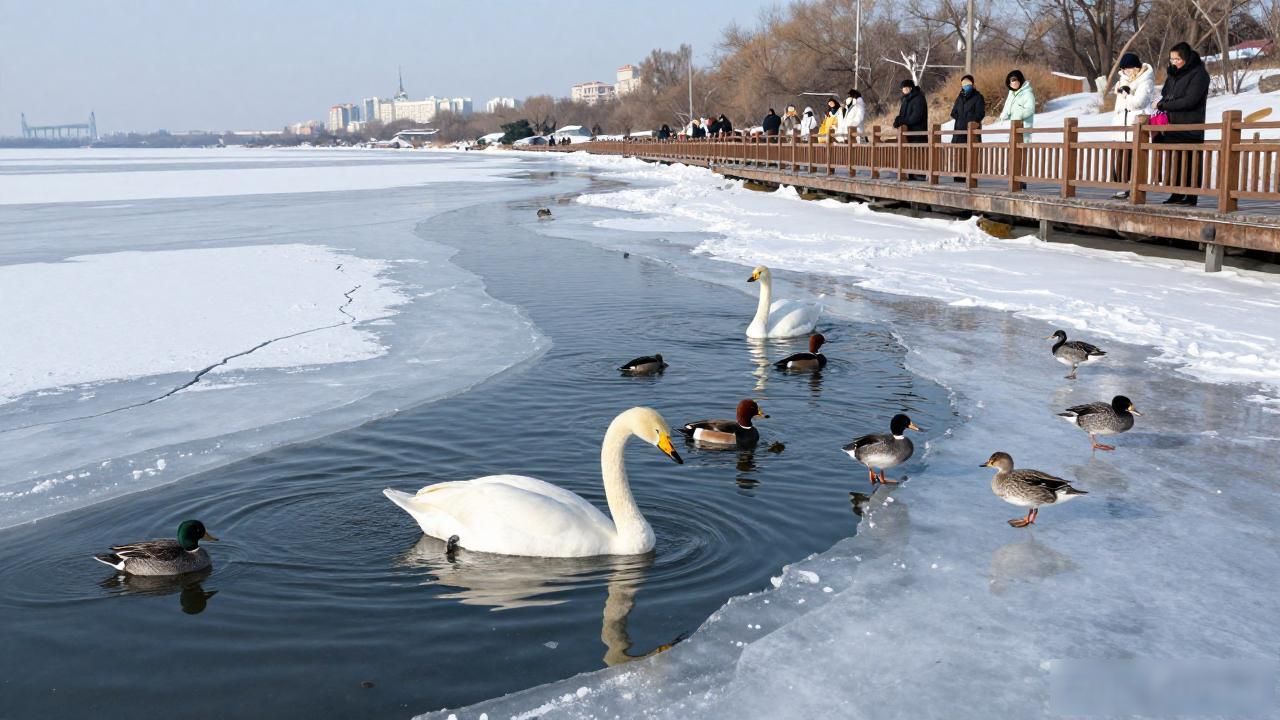
The Songhua River itself becomes a wildlife corridor when it freezes over. Waterfowl gather along open channels where the current refuses to completely lock up. Mute swans, common pochards, and even the occasional smew dive for food while spectators watch from wooden walkways built along the ice. It is raw nature meeting urban life in the most striking way.
Where Is the Best Place to See Harbin Winter Wildlife
Wudalianchi volcano wetlands sit about two hours from Harbin and remain one of the most productive wildlife areas in northeastern China. Volcanic rock formations create unique microhabitats that attract creatures you will not find anywhere else in the province. The mineral-rich waters here sustain populations of amphibians, fish, and the birds that depend on them throughout the harshest months.
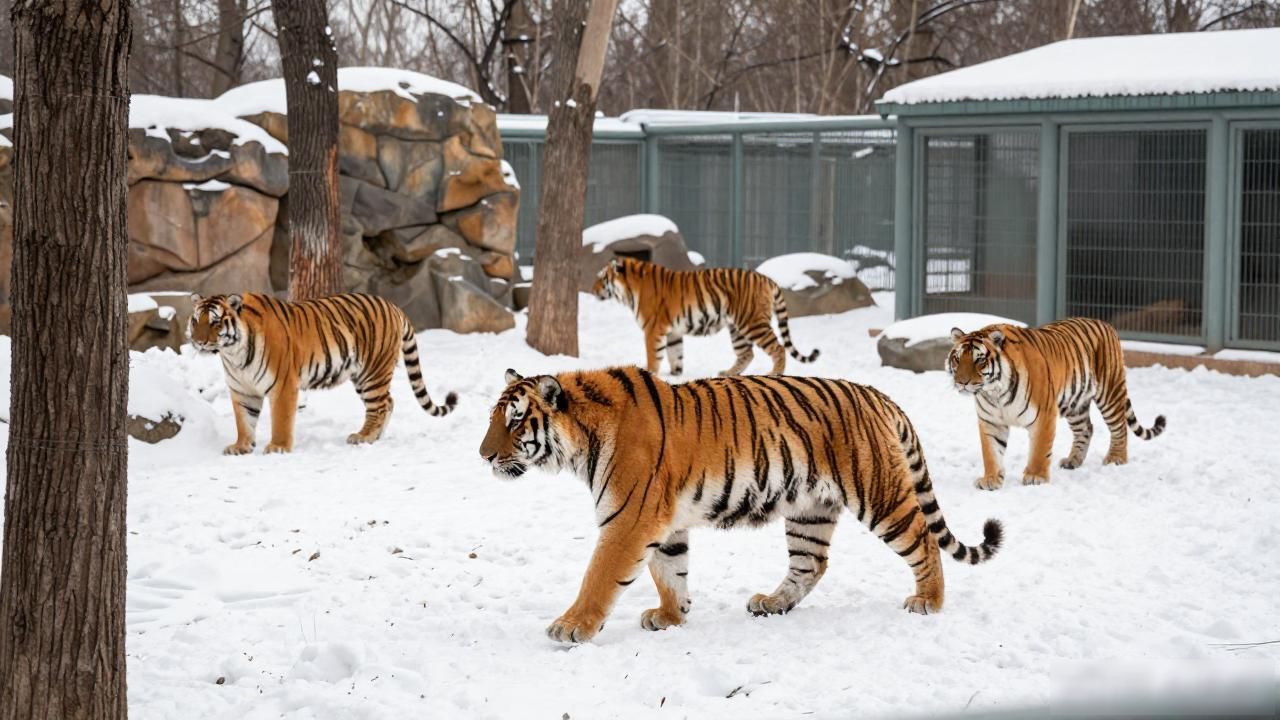
The Siberian tiger breeding center on the outskirts of the city offers an unforgettable encounter. These magnificent cats, descendants of the Amur tiger population, roam spacious enclosures that mimic their natural habitat. Watching a tiger move through deep snow with that unmistakable fluid grace changes how you understand power in the animal kingdom.
For bird watchers,the frozen wetlands near Harbin’s eastern districts deliver consistent results between December and February. Local birders share GPS coordinates through WeChat groups, and showing up with a good pair of binoculars and zero expectation usually leads to the best sightings.
How to Make the Most of Your Harbin Winter Wildlife Experience
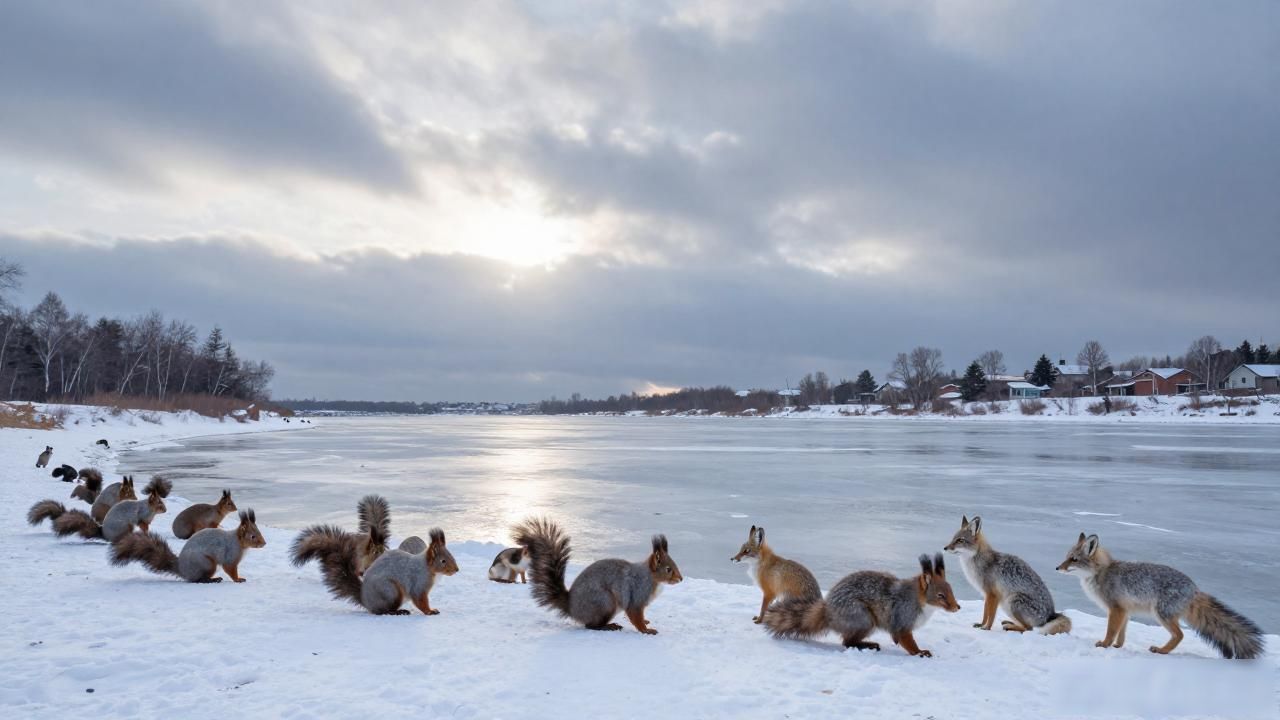
Timing matters enormously. January and February bring the coldest temperatures, dropping to -20°C or lower, but this is precisely when wildlife congregates in visible numbers. Animals cannot scatter across vast frozen territories when food is scarce, so they cluster around open water and feeding stations that locals and rangers maintain.
Dressing properly separates comfortable observers from miserable ones. Thermal base layers, a windproof shell, and boots rated for deep snow form the foundation. Your hands need special attention — camera glove systems that let you operate dials without exposing skin to the cold are a game-changer for anyone serious about photography.
Extra batteries are non-negotiable. Lithium cells lose charge dramatically in freezing temperatures, and carrying twice what you think you need will save you from missing a once-in-a-lifetime shot. A local guide familiar with animal movements saves hours of aimless wandering and often spots tracks and signs that reveal where wildlife has been recently active.