
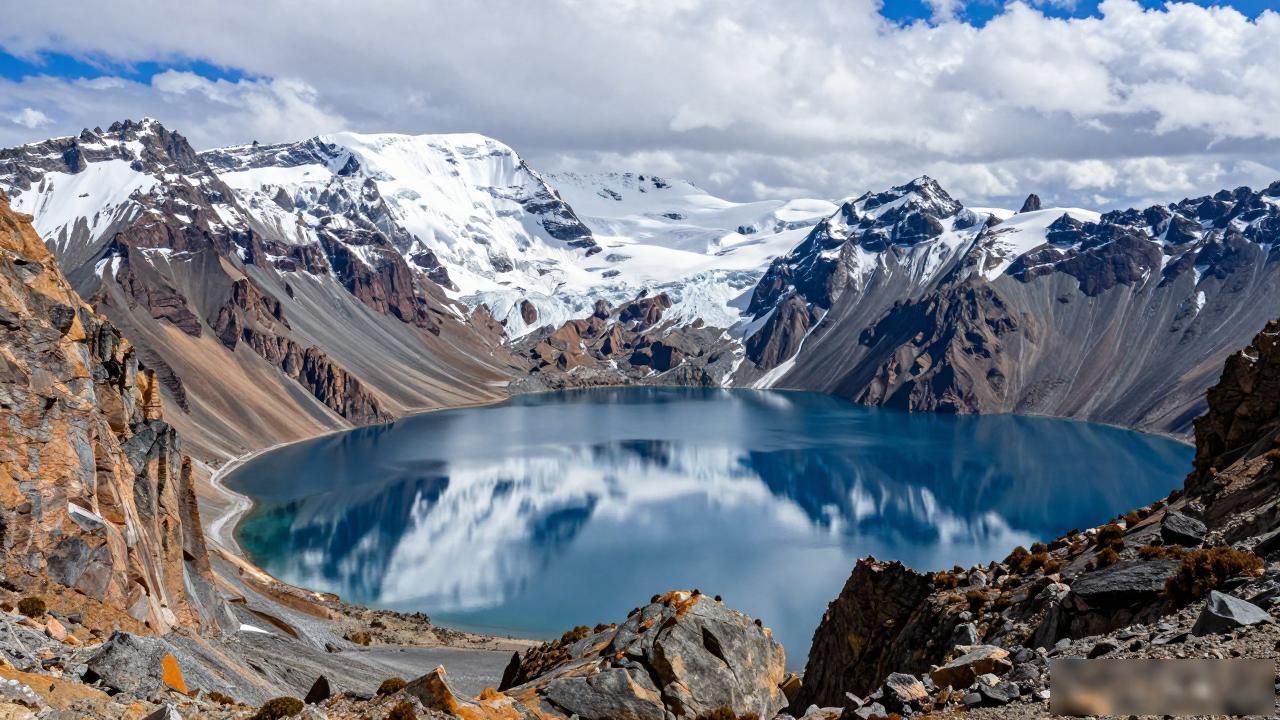
I’ve spent over a decade traveling through western China, and if there is one thing that consistently steals my breath away, it is the alpine lakes scattered across Xinjiang, Qinghai, and the Tibetan Plateau. They sit high above the clouds, mirror-still and impossibly blue, and no photograph ever does them justice. For travelers coming from abroad, finding the right one can feel overwhelming. The good news is that China holds some of the most spectacular alpine lakes on the planet, and with a little research, you can visit without feeling lost.
What Makes China’s Alpine Lakes So Special

Most people picture the Swiss Alps or the Canadian Rockies when they hear alpine lake,but western China offers something entirely different. The altitude here is extreme, the geological landscapes are dramatic, and the sheer scale of the scenery pushes past anything you might expect from a brochure.
Sayram Lake in Xinjiang is often called the Atlantic’s Last Tear, and once you see it, you will understand why. This freshwater lake sits at nearly 2,200 meters and is surrounded by snow-capped mountains, rolling pastures, and herds of yaks that seem almost surreal against the backdrop. It is not the highest lake in China, but its accessibility and raw beauty make it a standout for first-time visitors.
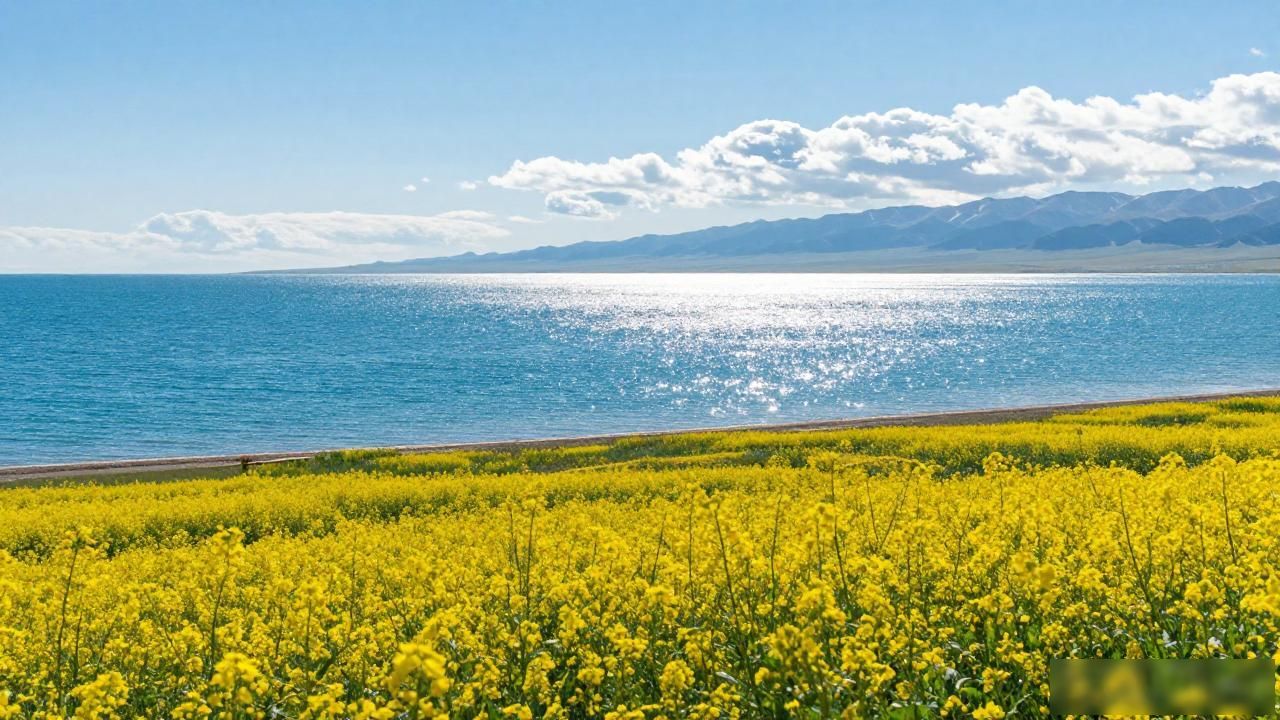
Another gem worth considering is Qinghai Lake, the largest lake in China. Though technically a saltwater lake, its turquoise waters framed by golden rapeseed fields in summer create a visual contrast that feels almost impossible. It draws millions of domestic visitors each year, but if you arrive early in the morning or venture along the quieter eastern shore, you can find moments of solitude that rival any alpine destination in Europe.
How to Plan Your Trip to These Lakes
Getting to western China requires patience, but the journey itself is part of the experience. Most international travelers fly into Urumqi or Xi’an and then take a domestic flight or overnight train toward Yining, Kashgar, or Xining. Altitude sickness is a real concern at these elevations, so spend at least one day acclimatizing before attempting long drives or hikes near the lakes.
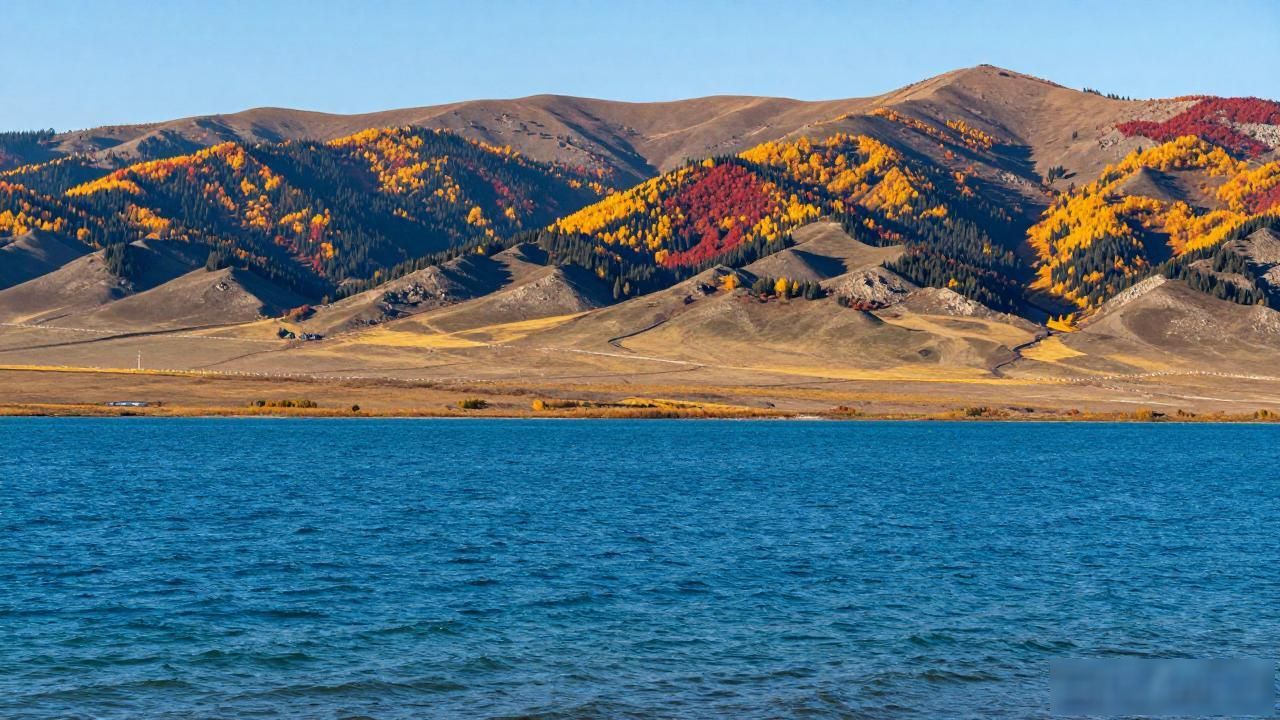
The best visiting windows are May through October, with September offering the most stable weather and the most dramatic autumn colors around Sayram Lake. During peak season, popular spots fill up quickly, so booking your accommodation well in advance is essential. Many smaller guesthouses near the lakes do not accept international credit cards, which means carrying sufficient Chinese yuan in cash is a practical necessity that most guidebooks overlook.
If you plan to travel independently, hiring a driver who speaks basic English can dramatically improve your experience, especially when navigating local checkpoints and permit requirements. These lakes are located in border regions, and certain areas require additional documentation for foreign nationals, so giving yourself extra time for administrative procedures is wise. What makes a trip to these alpine waters truly unforgettable is not just the scenery but the space to slow down, breathe thin mountain air, and watch light transform the water from pale blue to deep indigo as the sun drops behind the peaks.