
As a lifelong Hangzhou resident and cultural guide, I’ve learned that the city’s true soul hides in plain sight. While West Lake draws millions,its magic multiplies tenfold when you step into the neighborhoods where locals have lived for centuries. These unique Hangzhou attractions offer something rare today: genuine places where time moves slower and every stone tells a story.
Where to find unique Hangzhou attractions away from crowds
Tengwang Pavilion isn’t in Hangzhou—it’s in Nanchang. That confusion happens because many travelers mistake famous Jiangnan landmarks. The real treasure lies in places like Qingzhi Wu Lane, where you’ll see grandmothers folding rice paper umbrellas in doorways that open onto tiny courtyards. The water here doesn’t just reflect bridges; it reflects daily life unchanged for generations.

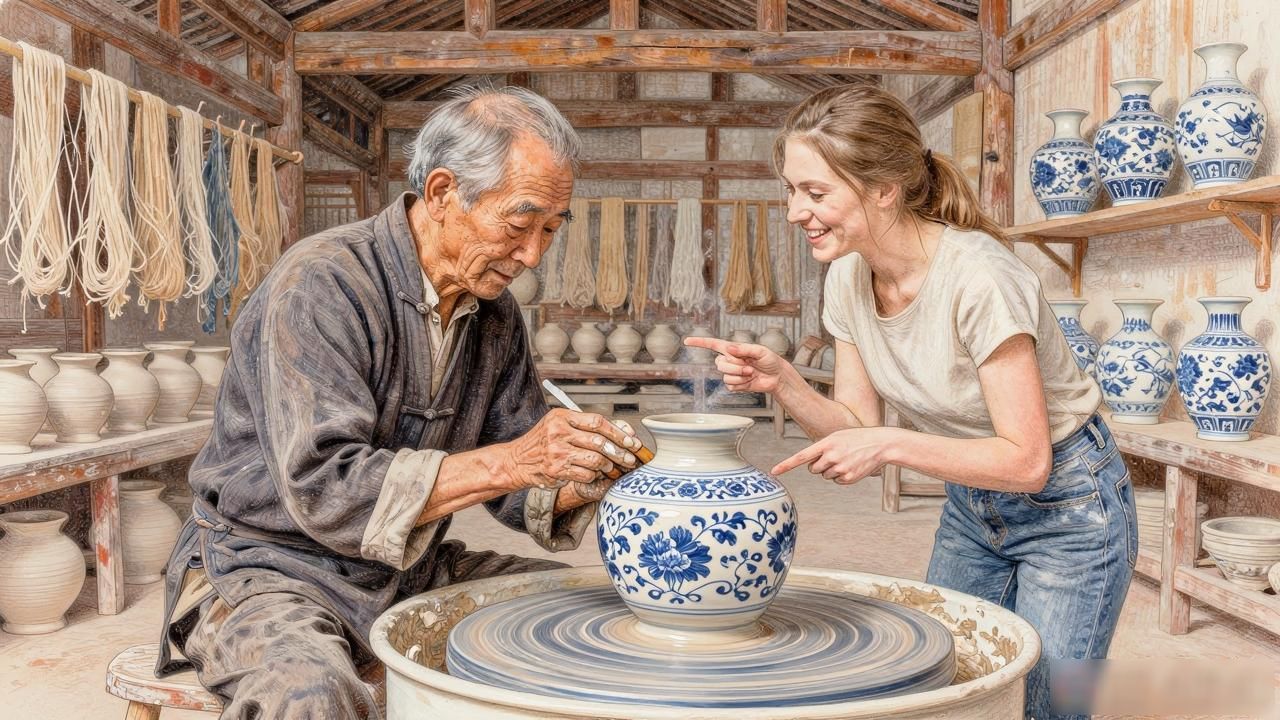
Near the Grand Canal’s northern end sits a cluster of artisan workshops most tour buses skip. In one wooden house, a seventh-generation potter shapes blue-and-white ceramics using techniques dating to the Song Dynasty. His granddaughter translates his methods into English for visitors who wander in. These aren’t staged performances—they’re functioning studios where you might accidentally become part of the process.
The Hefang Street market stretches nearly a kilometer, but turn onto any side alley after 3pm and you’ll find yourself in a different Hangzhou. Tea masters here press leaves using stone mortars older than most Western nations. Their shops smell of roasted green tea and osmanthus, a fragrance that lingers on your clothes for hours.
What makes these unique Hangzhou attractions worth visiting
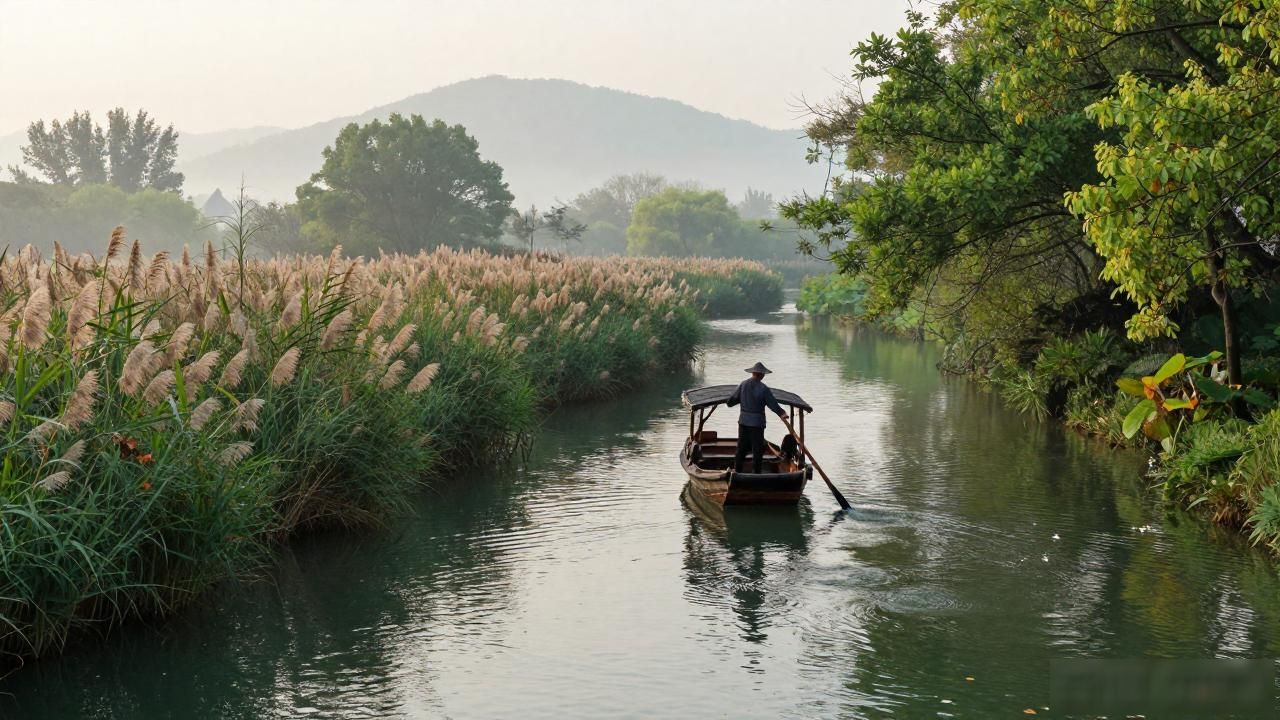
Because they remain active rather than museumified. The Xixi Wetland isn’t just scenic—it’s still harvested by boatmen who follow rhythms set centuries ago. Watch them navigate narrow channels at dawn and you’ll understand why this place inspired Chinese landscape painting for a thousand years. The ecosystem persists alongside human tradition, something increasingly rare in modern China.
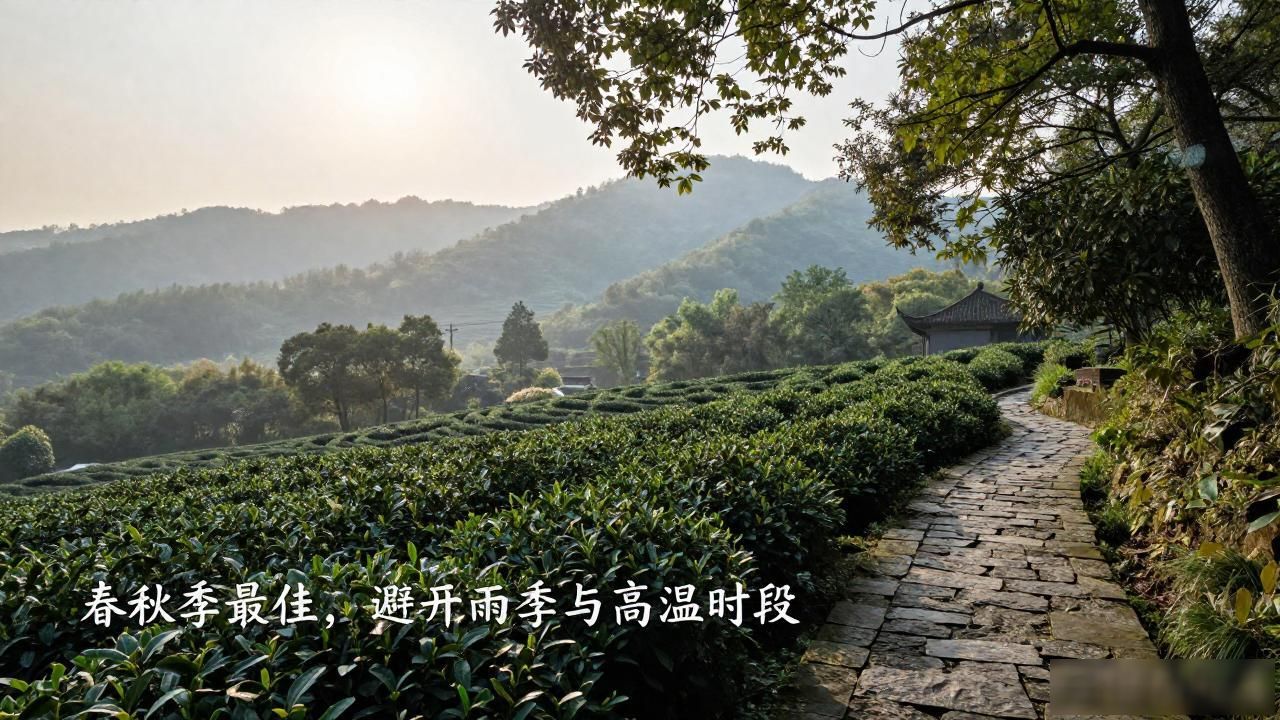
Local tea farmers in Longjing Village actually let visitors pick leaves during spring. You’ll sweat through hillsides under jacaranda trees, then sit with families who process your harvest on the spot. The resulting brew tastes different from anything served in hotel lobbies—grassy, sweet, with a finish that makes you want to stay forever.
Even the city’s most famous sites transform when visited differently. West Lake’s Su Causeway, built over a millennium ago, feels entirely new when walked east at sunrise. Stone bridges remain empty. Mist rises from lotus leaves. You’ll share the path with joggers carrying practice balls and elderly couples doing tai chi—none of them aware cameras exist.
When is the best time to enjoy unique Hangzhou attractions
Though spring brings crowds to famous spots, it actually helps you discover quieter seasons. May through June offers lukewarm rain that makes gardens gleam while summer tourists remain absent. September and October provide clearer skies and harvest festivals in villages near the city’s edge. Winter months reveal Hangzhou’s skeleton—bare branches showing architecture’s true lines, steaming street food warming cold alleys.
I always recommend visiting during local holidays when foreigners avoid the city. During Qingming Festival, families sweep tombs in quiet cemeteries draped with willow branches. Mid-Autumn brings moon-viewing parties in residential compounds where neighbors share osmanthus cake with guests who happen to be nearby. These moments don’t appear in guidebooks but define what makes the city unforgettable.