
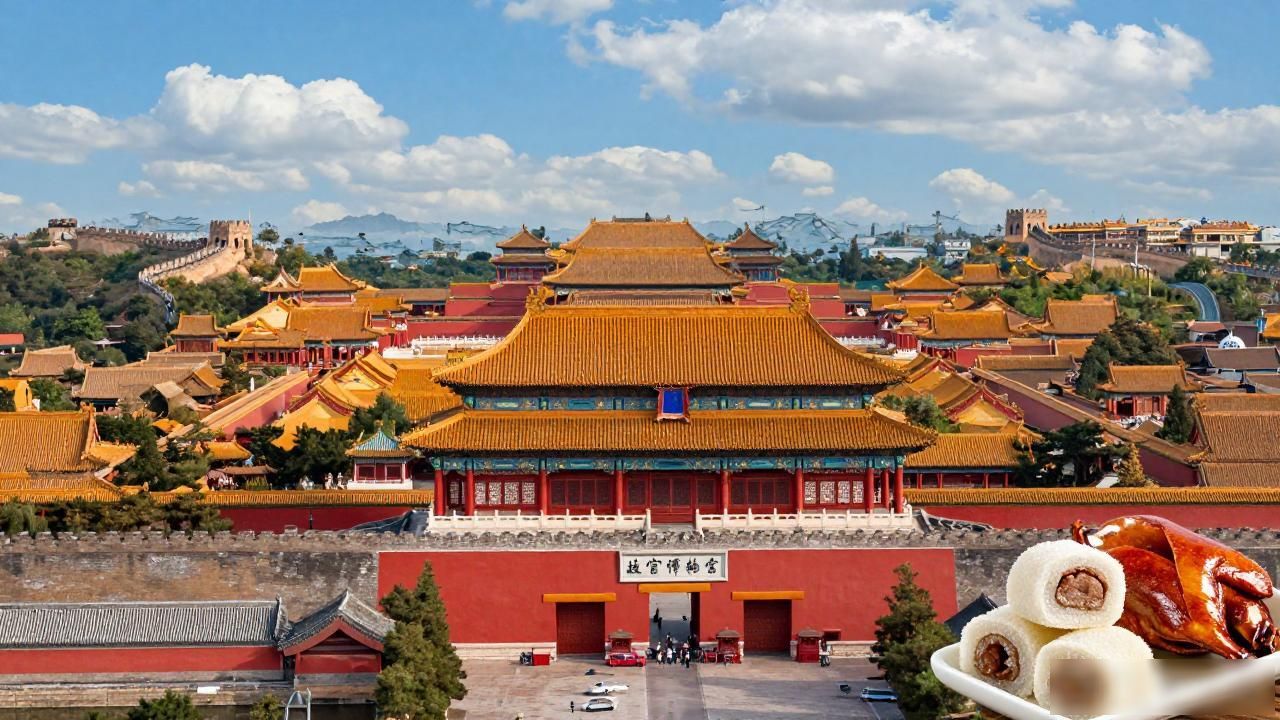
Beijing is one of those cities that punches far above its weight. It has ancient walls, imperial palaces, hutongs where life moves slowly, and neighborhoods pulsing with modern energy. Visitors often arrive overwhelmed by scale — sprawling temples, massive squares, traffic-choked avenues — yet leave with a sense that the city reveals itself gradually, layer by layer. This guide cuts through the noise and points you toward the experiences worth your time.
What Makes Beijing Unique

Every traveler hits the same question within hours of arriving: where do I even start? Beijing isn’t a city you consume in a single weekend. It rewards patience and curiosity. The Forbidden City will absorb half a day on its own. The Great Wall demands a full excursion. Smaller moments — a morning tai chi session in a park, a meal in a courtyard restaurant — are what actually stick with people after the trip ends.
The city’s charm lies in the contrast. You can walk through a hundred-year-old temple in the morning and find yourself standing in front of towering glass skyscrapers by noon. Temple of Heaven is best visited early before the crowds arrive,which is worth remembering when you plan your itinerary. Hutong neighborhoods like Nanluoguxiang and Wudaoying still feel alive despite growing commercialization. This tension between preservation and progress gives Beijing a character you won’t find anywhere else.
Getting Around the City
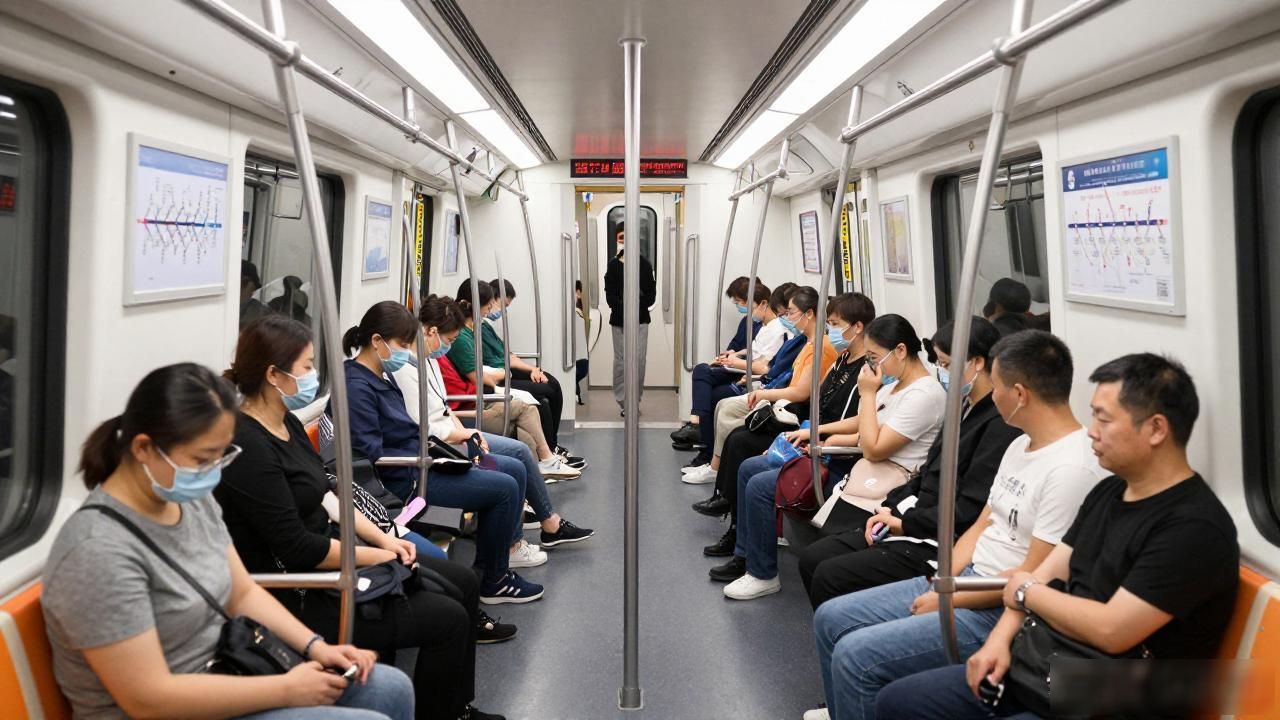
Public transit in Beijing works surprisingly well. The metro system is clean, efficient, and covers most major attractions. Cards cost very little and can be reloaded at any station. Buses are cheaper but slower and harder to navigate without Chinese reading ability. Ride-hailing apps like Didi work internationally and are far easier than hailing taxis on the street.
Taxis remain an option, but always insist on the meter. Many drivers will try to fix a price without one, which nearly always means you pay more than expected. Carry small bills for buses and entrance fees. Learning a few basic Mandarin phrases goes a long way — even a polite nǐ hǎo or xièxiè changes how locals respond to you. Download offline maps before arrival since English signage is limited outside tourist zones.
Where to Eat in Beijing
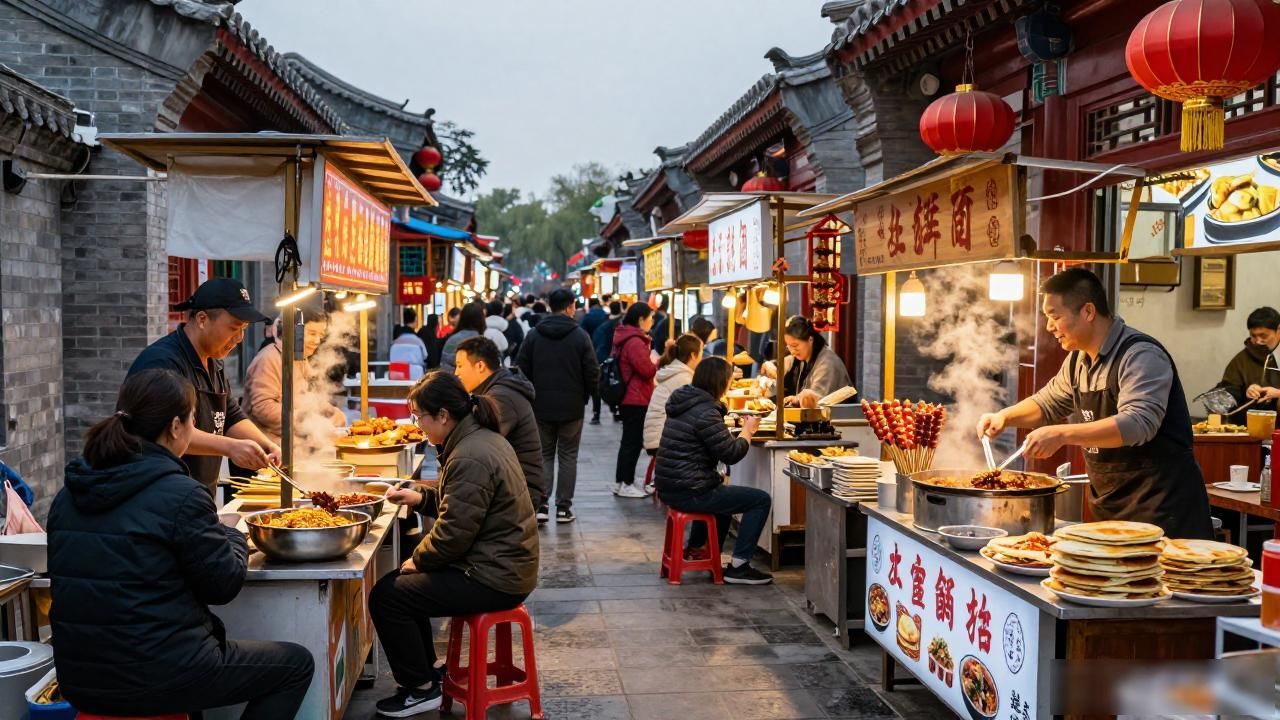
Food in Beijing deserves its own entire conversation. Peking duck is the obvious starting point, and places like Quanjude and Da Dong deliver consistently good versions. But the real treasure lies in street food and local noodle shops that most tourists never discover. Zhalong Road food street has everything from skewered lamb to sweet mantou buns. Street vendors near Qiandemen offer fried dumplings that cost almost nothing.
Hot pot restaurants like Haidilao are worth the visit — the service is legendary and the broth selection endless. For something quieter, try a siheyuan courtyard restaurant in the old city district. Try the zhajiangmian at local noodle houses for a dish that locals eat weekly. Prices stay reasonable across the board, even at mid-range spots. Breakfast alone is worth reshaping your schedule around.