
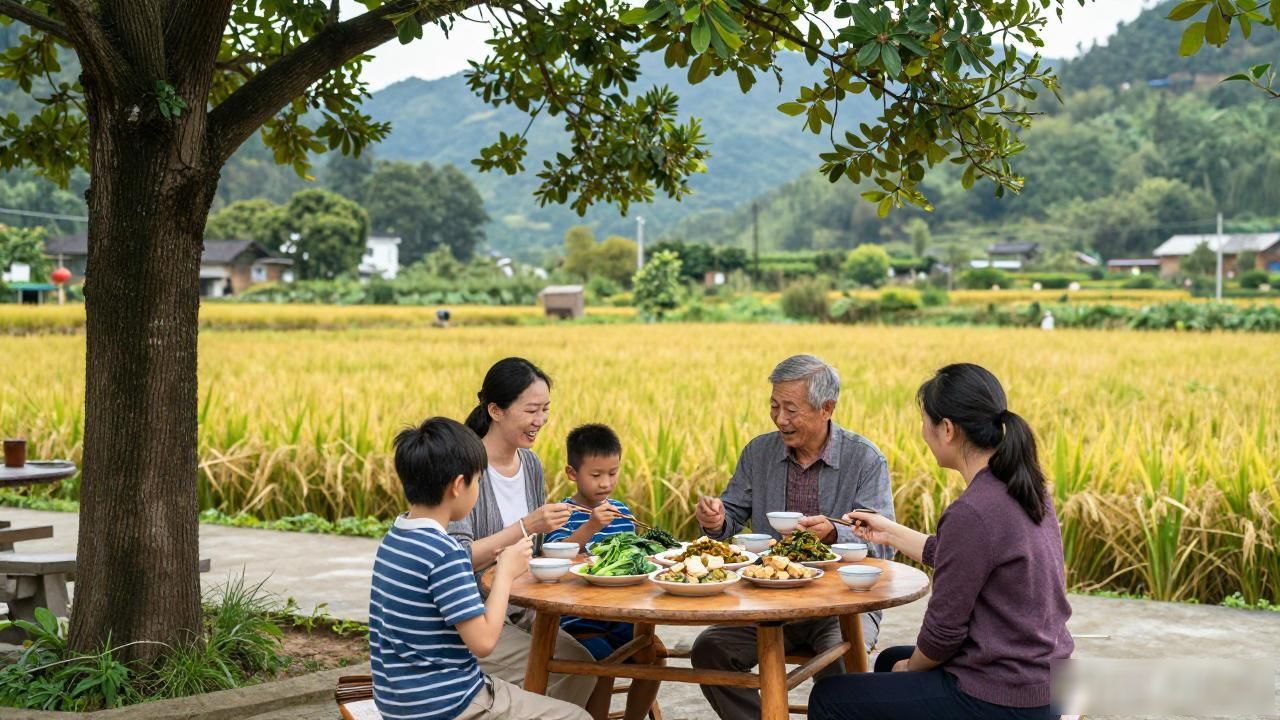
There is a moment when I arrived at my host’s village home — a small courtyard house in Yunnan — that changed how I think about travel entirely. Instead of a reception desk, there was a grandmother waiting with freshly picked vegetables from her garden. This is what a rural homestay with local families in China offers: not a hotel room but a real life, shared with people who have welcomed strangers into their homes for generations. These experiences are becoming increasingly popular among travelers who want something deeper than sightseeing.

What does it feel like staying with a local family
You wake up to the sound of chickens clucking outside and your host mother knocking gently on your door with breakfast already prepared. In rural China, meals are not an add-on service — they are the heart of hospitality. Breakfast might include homemade rice porridge, pickled vegetables, and freshly made tofu. Lunch and dinner are cooked over wood fires,using ingredients grown or raised right on the property. Eating together around a low table with a family that speaks little English but communicates through smiles and gestures is one of those rare moments that makes you feel truly welcomed.
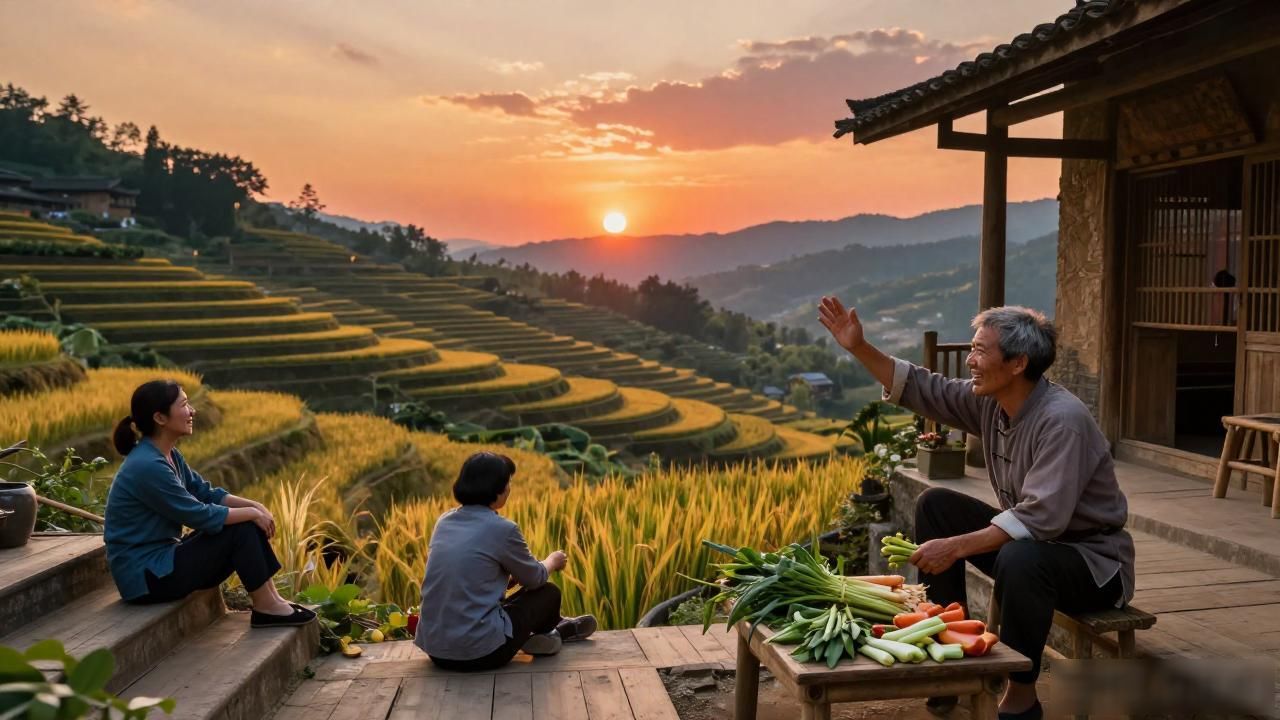
Evenings are quiet in ways cities never allow. You sit on the courtyard steps watching the sunset paint the terraced rice fields gold. The family might invite you to help peel vegetables or sort beans, tasks that seem simple but carry the rhythm of a life you will likely never live again. Children run around barefoot and treat you like an aunt or uncle from far away. Your role is not to observe but to participate.
How do you prepare for this kind of rural homestay
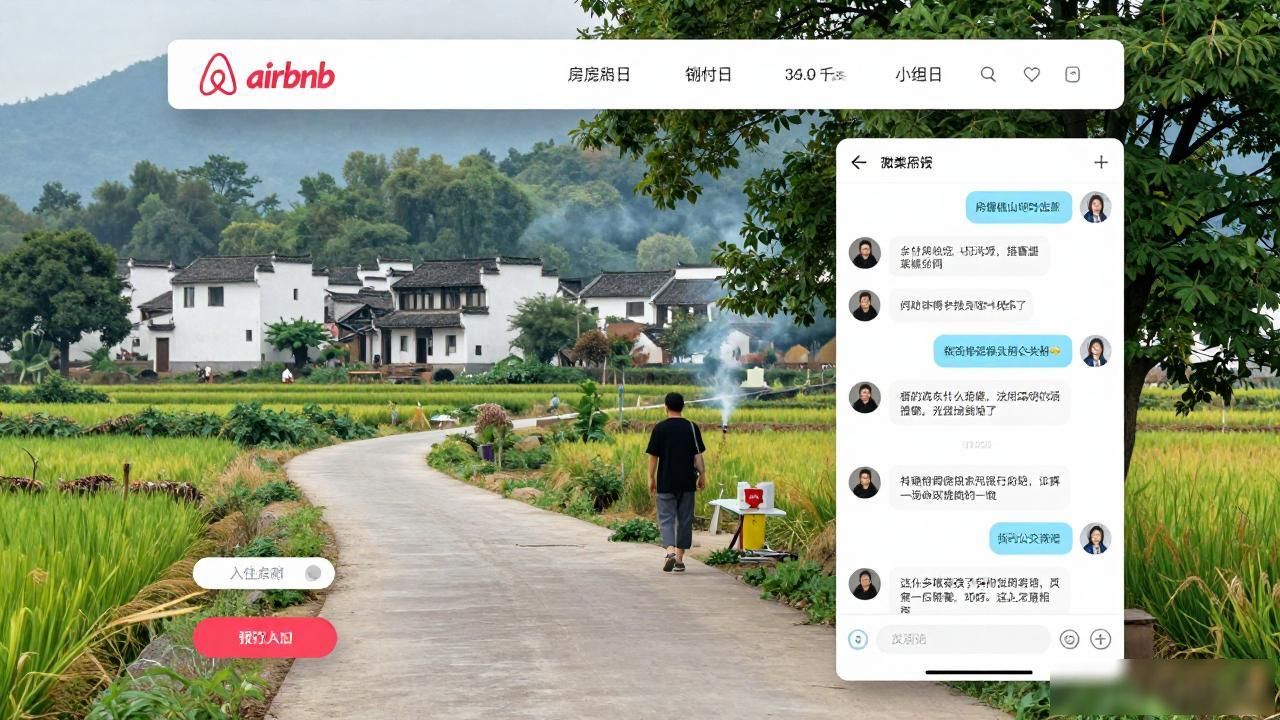
Most bookings happen through platforms like Airbnb, Xiaozhu, or even WeChat messages arranged by guesthouses in nearby towns. Always confirm in advance what is included — meals, laundry, pickup from the bus stop — because rural hosts may not speak fluent English and assumptions lead to surprises. Bring a phrasebook or download a translation app. Small gifts go a long way: fruit, snacks from your home country, or school supplies for the children. Dress modestly and be open to customs that might feel unusual to you, like removing shoes before entering certain rooms or accepting tea with both hands. Communication goes beyond words. A nod, a gesture, and genuine warmth bridge every gap. This is not a challenge to overcome but a doorway to cross.